

You know Kevlar from bulletproof vests and racing car bodies — and that same legendary toughness is now engineered into pickleball paddles that play as good as they last. Kevlar fiber faces bring something entirely unique to the paddle market: a material that absorbs impact energy rather than deflecting it, creating a distinctly soft, dampened feel at contact that no carbon fiber or fiberglass surface can fully replicate. The result is a paddle that’s exceptionally gentle on the arm, whisper-quiet on every hit, and durable enough to outlast nearly anything else on the market.
The best Kevlar pickleball paddles are the choice of players who want a premium playing experience that’s as easy on their body as it is hard on the competition. Built to last. Built to perform. Built different.
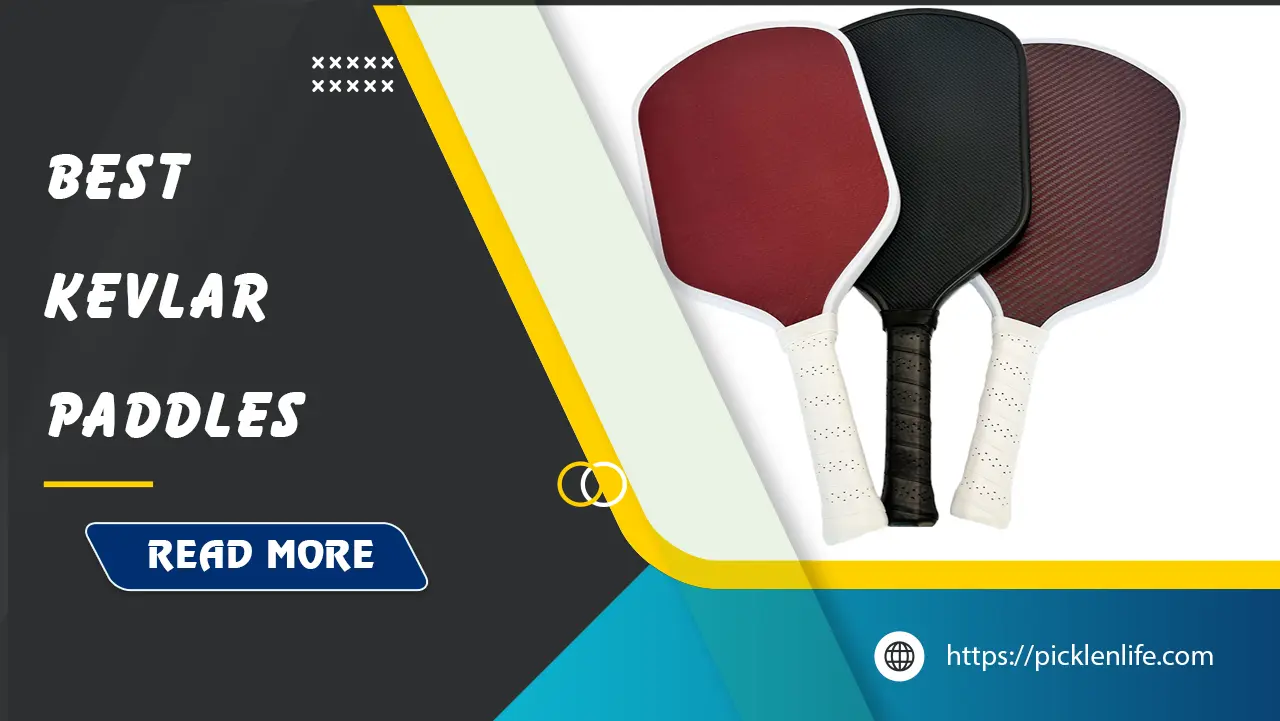
Top 5 Best Kevlar Pickleball Paddles of 2026

Pros
- Kevlar 1670 + T700 carbon hybrid surface delivers balanced power and control with a forgiving sweet spot.
- Thermoformed unibody construction provides stability and pop for all-court play, USAPA approved for tournaments.
- Includes extras like paddle cover, cleaner, and grip tape, enhancing value for beginners to intermediates.
Cons
- Slightly stiffer feel requires adjustment for pure soft-touch players.
- Grip may loosen faster with heavy sweat during long sessions.

Pros
- 4‑layer K29 aramid and carbon hybrid face gives you strong, consistent spin.
- Thermoformed construction keeps the paddle lightweight and very responsive.
- Good balance of power and control within the spin‑heavy feel.
- USAPA‑approved and durable for frequent use.
Cons
- Can feel a bit “spin‑heavy” for players who don’t want to shape every shot.
- May feel a bit aggressive for players who mainly want to focus on soft‑game play.
The TENVINA Powernova series uses a 4‑layer K29 aramid and carbon hybrid face that is tuned specifically for power and spin. The thermoformed body keeps the paddle lightweight and very responsive, while the textured face gives you a lot of bite on serves, topspin drives, and slices. Reviewers highlight its ability to generate spin‑heavy shots while still feeling stable and controlled, making it a strong choice for players who like to shape the ball.
You should buy this paddle if you want to add serious spin to your game. It’s great for players who like topspin serves, spin‑dipped dinks, and angled slices to open up the court. You’ll feel like you’ve added a new layer to your game while still staying in control of your power and placement.
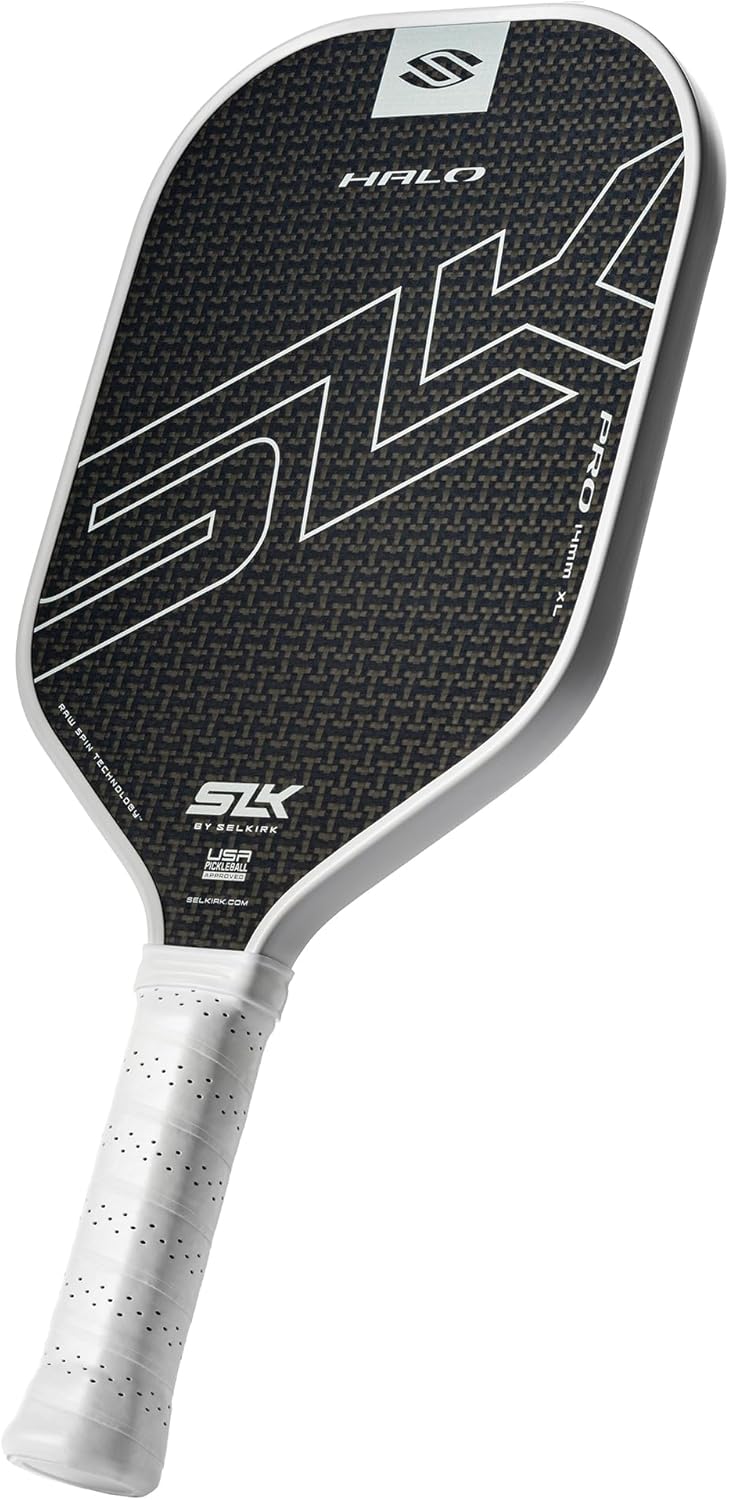
Pros
- Patent‑pending Carbon Fiber Kevlar LinkWeave face gives a stiff, controlled feel with good spin.
- 14 mm Rev‑Core polymer core keeps the paddle stable and forgiving rather than overly harsh.
- Elongated SLK Halo Pro XL offers extra reach and leverage while remaining light and maneuverable.
Cons
- Slightly stiffer feel than softer fiberglass‑or polymer‑face paddles, which may not suit touch‑only players.
- Newer Halo Pro models often sit near the top end of the Kevlar‑paddle price range.
The Selkirk SLK Halo Pro is a Kevlar‑reinforced paddle that’s great for players who want control without sacrificing power. The hybrid Kevlar‑and‑carbon face and 14 mm core give you a stable, responsive paddle that’s excellent for dinks, drops, and resets, while still allowing for solid drives and overheads. The elongated XL shape and ultra‑comfort grip enhance reach and comfort during long rallies.
You should buy the Selkirk SLK Halo Pro if you want a Kevlar‑infused paddle that’s great for control, spin, and balance. It’s ideal for intermediate to advanced players who want to stay at the net and shape points, but still need a paddle that can handle aggressive play.

Pros
- Hybrid Kevlar + T700 carbon face provides a good mix of power, control, and durability.
- 16.4" length and 7.6" width give a large sweet spot and extra reach for drives and overheads.
- 5.5" handle works well for one‑ or two‑handed styles and offers a comfortable, balanced feel.
Cons
- Slightly heavier than some Kevlar paddles, so it can feel a bit “slow” for very fast‑hand players.
- Can feel a bit aggressive for players who prefer a very soft, dink‑only style.
The Pro Line Energy S is a mid‑tier Kevlar‑hybrid paddle built for intermediate players who want to tighten their game. The Kevlar + carbon face and large sweet spot help you stay consistent, while the elongated‑style shape gives you extra reach and power for drives and overheads. It’s a good “bridge” paddle between beginner gear and high‑end performance paddles.
You should buy the Pro Line Energy S if you’re an intermediate player who wants a Kevlar‑style paddle that’s powerful and forgiving. It’s ideal for players who like to hit big shots but still want a paddle that helps keep your rallies going and doesn’t punish small mistakes too harshly.

Pros
- Raw Kevlar face with a 16 mm polypropylene‑honeycomb core gives a stiff, crisp feel with strong power and spin.
- Elongated shape and unibody thermofused construction provide extra reach, stability, and a large sweet spot.
- Lightweight design keeps the paddle maneuverable despite its elongated head.
Cons
- Very aggressive, stiff feel may not suit players who prefer a soft, damped‑out paddle.
- Premium price makes it an investment rather than a casual‑use paddle.
The CPX Ultra is a high‑end Kevlar paddle built for advanced and competitive players who want maximum power and reach. The 16 mm balanced core and Kevlar friction surface give you a paddle that’s stable and lively, great for serves, drives, and overheads, while the elongated shape helps you cover more court. Its 1‑year warranty (with optional lifetime upgrade) reflects its durability‑focused design.
You should buy the CPX Ultra if you want a Kevlar‑themed paddle for advanced, competitive play. It’s ideal for players who like an aggressive, elongated paddle that enhances power and reach without feeling sluggish or unbalanced on the court.
To ensure full transparency, our testing and ranking process is based on the objective criteria outlined in our how we rank section. While we may receive a commission for purchases made through our links per our affiliate disclaimer, all reviews are conducted independently to help you find the best quality products within your price range
Factors to Consider When Buying a Kevlar Paddle
As you narrow down your choices for a Kevlar pickleball paddle, understanding which factors are most pertinent to your playing style is essential. These considerations can help you ensure the paddle you select will enhance your gameplay experience significantly.
Kevlar is the latest innovation bringing a new level of durability and feel to the court; you can see how these paddles rank against traditional materials in our master guide of the best pickleball paddles
Weight
Paddle weight can significantly influence performance, comfort, and maneuverability on the court. Here are key points to understand regarding paddle weight:

- Lightweight (6-7.5 oz): Ideal for beginners, lightweight paddles promote quicker reactions and enhanced control. However, they may require more effort to generate power during shots.
- Midweight (7.6-8.4 oz): This category balances power and control, making it suitable for most players, including those transitioning from beginner to intermediate levels. Midweight paddles deliver agile responsiveness without sacrificing strength.
- Heavyweight (8.5 oz and above): Heavier paddles often provide greater power for aggressive players; however, they can become tiring over extended gameplay, especially for beginners still building their stamina.
- Maneuverability: Lighter paddles are typically more maneuverable, facilitating quick movements and reactions. Heavier options may offer stability and power but could compromise agility and speed on the court.
As you select the right paddle, consider your play style, physical capabilities, and desired maneuverability to optimize your performance on the court.
Grip Size
The grip size of your paddle significantly affects your overall control during gameplay. A proper grip ensures your hand remains comfortable and secure throughout matches. Here are key considerations regarding grip size:

- Standard Sizes: Most paddles have grip sizes ranging from 4 inches to 4.5 inches in circumference. Choosing the right size is crucial for maximizing performance and comfort.
- Holding the Paddle: To find the most suitable grip size, measure how the paddle feels in your hand. If you can fit two fingers between your fingers and palm comfortably, the grip size may be appropriate.
- Fatigue Prevention: A well-sized grip reduces the risk of slipping during play while preventing discomfort and fatigue. A paddle that fits too tightly can lead to muscle strain, while a loose grip may introduce the potential for mishits.
- Player Preference: Ultimately, your personal comfort matters most. Be sure to try various grip sizes to determine what feels best in your hands.
Selecting the right grip size is essential to improving performance and ensuring a positive playing experience.
Materials: Core and Face
The composition of your paddle’s core and face is critical in determining the overall performance of your equipment. Understanding these materials can help you make a more informed decision:

- Core Materials: Common examples include polymer, Nomex, and aluminum. Each of these materials offers unique benefits:
- Polymer Cores: Known for their quiet play and comfort; a popular choice for recreational players.
- Nomex Cores: Provides a solid, loud pop that’s great for powerful shots.
- Aluminum Cores: Can deliver excellent durability and performance but may not provide the same touch as polymer or Nomex.
- Face Material: Many Kevlar paddles feature a composite design that includes Kevlar woven into the fabric. This combination results in outstanding strength while keeping weight low. The impact of the face material is prominent in shot feedback, influencing how responsiveness can enhance gameplay.
- Durability Needs: Selecting a paddle with a durable core material is critical for aggressive play and frequent practice sessions. Paddles that stand up to wear and tear will significantly benefit those who engage in rigorous play.
Consider the core and face materials when selecting the paddle that best fits your style and needs. The right combination offers enhanced performance and longevity.
While Kevlar offers a unique dampening effect, players seeking maximum control often look toward the best carbon fiber pickleball paddle
Shape and Size
The shape and size of the paddle can greatly affect shot performance and maneuverability. Consider these options when deciding:

- Standard Shape: A classic shape often offers a balanced sweet spot. Ideal for beginners, this design makes hitting the ball more forgiving during play.
- Elongated Shape: This design extends the reach, allowing for powerful shots. However, it may compromise some maneuverability. More skilled players often favor this shape to increase their offensive game.
- Wide Body Shape: Offering a larger sweet spot, this shape provides greater confidence for consistent shot-making. This is beneficial for novices or recreational players still developing their abilities.
- Player Preferences: Assessing your current skill level and individual play style is crucial in selecting the best shape for your paddle. The right profile can heavily influence your comfort and effectiveness during matches.
As you consider which shuttle shapes and sizes align with your playing style, you will greatly enhance your gameplay experience.
Player Skill Level and Style
Your skill level and playing style should drive many of the decisions you make when selecting gear. Each player brings unique strengths and areas of improvement, which will influence the paddle choice. Here’s what to consider:
- Beginner Players: As a beginner, it is often advisable to select paddles that emphasize control and forgiveness. Lightweight designs and wide-body shapes can help players hit the ball more consistently.
- Intermediate Players: Those seeking to advance skills might choose paddles with tools geared towards versatility. These players benefit from options that support developing finesse while maintaining power.
- Advanced Players: Advanced players often favor high-performance paddles designed for aggressive play. Focusing on control and precision helps them capitalize on offensive opportunities while executing finesse shots.
- Playing Style Adaptation: Assessing your individual playing style whether it is control-driven, aggressive, or varies based on opponents will guide you towards paddle options that suit your approach.
What is Kevlar and why use it in pickleball paddles?
Kevlar is a high-strength synthetic fiber known for its remarkable durability, lightweight nature, and resistance to wear and tear. This material is manufactured through a process that weaves para-aramid fibers into cohesive sheets, allowing it to maintain its integrity even under extreme conditions. Kevlar is renowned for being five times stronger than steel at equal weights, a property that makes it ideal for enhancing pickleball paddles.
Using Kevlar in pickleball paddles allows manufacturers to combine strength with performance. Players benefit superbly from its ability to endure extensive play without chipping, cracking, or experiencing significant wear. This is critical for both casual and competitive players who seek a reliable paddle that performs consistently over time.
The lightweight design of Kevlar enhances maneuverability, making it easier for players to execute quick movements and react swiftly during fast-paced exchanges. This feature is particularly valuable in the sport of pickleball, where agility can influence the outcome of points. Additionally, the way Kevlar conveys feedback allows players to develop a strong connection with their paddle, enhancing their control and shot placement.
Kevlar faces are frequently paired with stable cores; see our top picks for the best 16mm pickleball paddles
What is Kevlar?
Kevlar is a synthetic fiber that belongs to the aramid class of compounds. It was invented in the early 1960s by chemist Stephanie Kwolek at DuPont and has since gained widespread use in various industries, including aerospace, automotive, and law enforcement due to its impressive performance characteristics. In the world of sports, especially pickleball, Kevlar offers unparalleled advantages.
- Strength and Durability: Kevlar’s main Selling Point is its incredible tensile strength. Paddles made from Kevlar are resistant to impacts, ensuring that they last much longer than those made from traditional materials. For example, they can withstand aggressive playing styles without developing the same wear patterns observed in fiberglass or wooden paddles.
- Lightweight Composition: The lightweight nature of Kevlar paddles facilitates quicker swings and allows players to respond more dynamically during matches. The reduced weight means decreased fatigue over time and improved arm movement, which becomes critical during fast exchanges.
- Resistance to Warping: Unlike some materials that may deform with temperature changes or through prolonged use, Kevlar resists warping and maintains its shape, ensuring consistent performance across various environmental conditions.
- Versatile Applications: The versatility of Kevlar also extends to paddle designs. Manufacturers have developed numerous paddle shapes featuring Kevlar to cater to different playing styles. Whether a player prefers power shots or finesse plays, there’s likely a Kevlar paddle that fits their needs.
Many Kevlar models are designed as all-court weapons, making them strong contenders alongside the best hybrid pickleball paddles
Benefits of Choosing a Kevlar Pickleball Paddle
Selecting a Kevlar paddle offers distinct benefits, especially for serious players who prioritize performance and durability on the court. Here are several key advantages of opting for a Kevlar paddle:
- Enhanced Control and Power: Kevlar paddles are designed to strike a balance between power and control. While they allow players to generate explosive shots, they also provide the finesse needed for softer plays, making them ideal for advanced techniques such as dinks and volleys.
- Increased Spin Potential: The textured surface often incorporated in Kevlar paddles enhances players’ ability to generate spin on the ball. This can provide a tactical advantage, forcing opponents into uncomfortable positions and creating opportunities for winning shots.
- Longer Lifespan: Given the durability of Kevlar, paddles made from this material tend to last longer than paddles constructed with conventional materials such as wood or fiberglass. This durability translates to better long-term value, especially for regular players who may otherwise need to replace equipment frequently.
- Comfort and User Experience: Many players report a more comfortable tactile experience with Kevlar paddles compared to other materials. The feedback provided during ball contact enables players to develop better shot accuracy and sensitivity, improving overall performance.
- Variety in Design: Many top brands offer various Kevlar paddle designs, ensuring that players can find one that aligns with their unique playing style. Whether looking for aggressive power delivery or a more controlled approach, the diversity in design caters to those preferences.
These advantages create a compelling case for players, particularly those looking to invest in quality equipment that will enhance their gameplay and withstand the rigors of competitive play.
Are Kevlar Paddles Right for You? Considerations
Choosing the right paddle often involves balancing various factors, such as your skill level and playing style. When considering whether a Kevlar paddle is right for you, it is essential to reflect on your unique preferences, strengths, and priorities on the court.
Skill Level
The skill level of a player can significantly dictate the suitability of a Kevlar paddle. Generally, Kevlar paddles tend to be more beneficial for intermediate to advanced players who have developed their skills and understand the nuances of gameplay. The combination of power and control features in Kevlar paddles allows skilled players to maximize their performance.
- Beginner Considerations: For beginners, a Kevlar paddle may not be the best choice. Starting with a lighter paddle that offers a larger sweet spot can make the learning curve more forgiving. Softer paddles typically provide more room for error, allowing new players to develop their skills without feeling discouraged.
- Intermediate Players: As players seek to enhance their game, transitioning to a Kevlar paddle can offer significant advantages. This shift allows them to experience elevated control and responsiveness, encouraging them to refine their shot precision and tactical play.
- Advanced Players: For advanced players, Kevlar paddles align perfectly with aggressive playing styles. Players who demand durability without sacrificing shot accuracy will find significant benefits from this paddle material.
Ultimately, assessing your current skill level and how you wish to evolve your game is instrumental in determining the appropriateness of a Kevlar paddle for your playing routine.
If you’re an experienced player looking for the next step in equipment, these models are central to our guide for best pickleball paddles for advanced players
Playing Style
Players engage in several distinct playing styles, and it’s vital to align your paddle choice with your personal approach to the game. When evaluating if a Kevlar paddle suits your gameplay, consider these factors:
- Control-Oriented Players: If you gravitate towards a control-oriented game characterized by precise shots and soft plays, Kevlar paddles are especially suitable. Their unique feedback allows you to place shots more accurately, maintaining the finesse required for strategic gameplay.
- Power Players: For those with a more aggressive playing style who emphasize generating power and heavy slams, Kevlar paddles may still meet your needs. While they offer a balance of power and control, some players might find that other materials, such as carbon fiber, can provide stronger, more raw power.
- Hybrid Players: If you’re someone who branches into both control and power depending on match dynamics, Kevlar paddles can facilitate your versatility. Their lightweight construction enhances mobility at the net while also allowing you to unleash strong, aggressive shots when needed.
Understanding your playing style allows you to select a paddle that complements your strengths. This alignment can profoundly influence not only your performance but also your enjoyment of the game.
The texture of Kevlar can significantly aid in ball bite; explore how they perform in our guides for the best pickleball paddles for spin and best pickleball paddles for control
Potential Drawbacks
While Kevlar paddles offer numerous advantages, they may not be suitable for every player. Here are several potential drawbacks to consider before making your choice:
- Higher Cost: Kevlar paddles are typically more expensive than fiberglass or wooden paddles due to the advanced material and manufacturing processes. This higher price may deter beginners or casual players who are hesitant to invest significantly in their equipment.
- Learning Curve: Players accustomed to softer paddles may find transitioning to a Kevlar paddle requires adjustment. Some might experience discomfort initially due to Kevlar’s firmer feel and increased power delivery, which could affect shot consistency until acclimated.
- Playing Style Compatibility: While Kevlar paddles excel for power-oriented players, they may not suit those who rely on finesse and delicate shot placements. If your game emphasizes softer touches, you might prefer paddles constructed from materials with a more forgiving tactile feedback.
- Weight Considerations: Although many Kevlar paddles are lightweight, some models may feel heavier compared to traditional materials, potentially impacting swing speed and reaction times particularly for players who are still developing their skills.
- Sound Profile: Kevlar paddles can produce a louder sound upon collision with the ball, which some players may find distracting during matches. This audio feedback can also vary vastly between different paddles, affecting personal preferences.
These potential drawbacks highlight the importance of player self-assessment when selecting a paddle type. By weighing the pros and cons, you can ensure that your choice aligns with your individual needs and expectations.
Durability and Maintenance of Kevlar Paddles
With an understanding of the factors to consider when selecting a Kevlar paddle, it’s equally important to recognize the durability and maintenance requirements that align with your choice. Kevlar paddles are known for their robust nature, but proper care will significantly extend their lifespan and maintain performance.
Kevlar Paddle Longevity
One of the most notable advantages of Kevlar paddles is their longevity. Select paddles made with Kevlar often last about 50% longer than those constructed from traditional materials, thanks in part to their remarkable resistance to wear and tear. Essential aspects to ensure the longevity of your Kevlar paddle include:
- Environmental Resistance: Kevlar’s resistance to bulging and deformation under temperature fluctuations allows it to maintain structural integrity over time. This builds player confidence, knowing their equipment won’t fail during matches.
- Impact Resistance: These paddles possess a remarkable ability to endure impacts, allowing players to engage in aggressive play without significant wear or damage after heavy use.
- Testing Durability: Many advanced Kevlar paddles undergo rigorous testing phases during manufacturing to ensure they can hold up in competitive environments. Regularly checking for signs of wear and damage is essential for optimal performance.
By understanding and acknowledging the durability of Kevlar paddles, players can make informed decisions regarding maintaining their gear and ensuring they get the most out of their investment.
Understand the long-term durability of these new fibers by checking out how long do pickleball paddles last
Care and Maintenance Tips
To maintain your Kevlar paddle in its best condition, follow these essential care and maintenance tips:
- Regular Cleaning: After each use, thoroughly clean the paddle using a damp cloth to remove dirt and debris from the surface. This prevents buildup that can negatively affect performance.
- Drying: Ensure that the paddle is completely dry after cleaning. A lint-free towel is ideal for this purpose, as moisture accumulation may weaken the adhesive and result in warped structures over time.
- Safe Storage: Always store your paddle in a cool and dry place. Utilizing a protective covering can safeguard against dust and potential damage. Avoid laying the paddle face down on rough or abrasive surfaces that might scratch the Kevlar face.
- Maintenance Checks: Regularly inspect your paddle for signs of structural wear, such as cracks or chips. Early detection can prevent further deterioration, guaranteeing that your paddle keeps its performance level intact.
- Minimize Impact: Avoid striking paddles against hard surfaces to prevent long-term damage. Consider safe practices to avoid putting your gear at risk.
Proper care and maintenance are vital for preserving the quality of your Kevlar paddle while ensuring that it delivers optimal performance on the court for years to come.
To keep your Kevlar surface performing its best, follow our tips on how to clean pickleball paddle faces
Regulatory Compliance: USAPA Standards
In competitive play, ensuring compliance with governing bodies’ regulations is crucial. When it comes to pickleball, the USA Pickleball Association (USAPA) outlines specific standards that paddles must meet for official play.
- Size Specifications: According to USAPA regulations, paddles must not exceed 24 inches in total length including the handle and an 8 inches width. This ensures a uniform standard across different paddle types for fairness in competition.
- Weight Limitations: Paddles used in official play must also maintain a maximum weight of 14 ounces. This ensures player comfort and control while standardizing gameplay experiences in competitions.
- Material Regulations: Paddles must also conform to acceptable material regulations, where Kevlar paddles are often compliant as they adhere to guidelines regarding their construction and material use.
Compliance with these standards helps maintain fairplay across the sport, ensuring that all players compete on equal footing. Checking paddle specifications before matches is critical in avoiding potential disqualification.
Kevlar Paddles vs. Other Materials
As players consider the materials best suited for their paddles, comparing Kevlar against other options in the market can reveal the distinctions that may cater to specific performances.
- Durability Comparison: Kevlar paddles excel in terms of longevity, often outperforming fiberglass and wood paddles which tend to wear more quickly. Players who engage regularly in play will likely prefer the durability offered by Kevlar.
- Weight and Feel: While carbon fiber paddles are known for their lightweight composition, Kevlar paddles typically offer a comparable weight with the added durability. The choice between these options can often come down to players’ tactile preferences regarding shot sensation.
- Performance Variation: Carbon fiber can provide distinct responsiveness and energy transfer that some power players may prefer. However, while they excel at offering raw power, carbon fiber paddles may lack the control and feel that Kevlar delivers.
- Price Considerations: Kevlar paddles usually come at a higher price point due to their advanced manufacturing process and durability. On the other hand, cheaper alternatives may sacrifice longevity and control, ultimately costing players more over time.
Kenneling these comparisons helps clarify the key attributes of Kevlar paddles in relation to other materials. The decision ultimately depends on individual preferences and play styles, highlighting the ongoing evolution of paddle technology.
To understand the core differences in performance and vibration, read our detailed breakdown on kevlar vs carbon fiber pickleball paddle
The Growing Popularity and Future of Kevlar in Pickleball
The rise of Kevlar within the pickleball community speaks volumes about how innovation in material science is influencing the sport. As players seek equipment that elevates performance, the integration of Kevlar demonstrates its potential to revolutionize paddle technology.
- Demand for Durability: As more players engage in rigorous competitive play, the need for long-lasting, reliable gear becomes paramount. Kevlar, with its superior durability and resistance, is well-placed to fulfill this need.
- Consumer Preferences: As players become more educated on paddle materials, a clear preference for the performance benefits associated with Kevlar is evolving. Brands that prioritize Kevlar in their designs are poised to capture market segments focused on serious gameplay.
- Future Innovations: With the advancement of manufacturing techniques, it’s anticipated that features incorporating smart technology, eco-friendly initiatives, and even further enhanced performance metrics will emerge. These innovations may intertwine Kevlar with other materials, creating optimal blends for various playing styles.
- Mainstream Acceptance: As Kevlar paddles gain recognition in higher competitive leagues, their acceptance among amateur players is also expanding. Players inclined towards performance-focused equipment will likely drive the widespread adoption of Kevlar.
As trends develop and innovative technologies emerge, Kevlar’s role in pickleball will likely continue to evolve, shaping the future of paddle design and performance for years to come.
Conclusion
In conclusion, Kevlar pickleball paddles provide a unique combination of durability, control, and responsive performance that appeals to serious players. Their impressive strength to weight ratio, resistance to wear, and ability to generate power make them well-suited to various playing styles. As players assess their paddle options, understanding the nuances of Kevlar’s advantages in coordination with their individual skill levels and styles is essential.
From beginners looking for user-friendly options to advanced players seeking superior performance, the range of Kevlar paddles available supports diverse playing needs. As innovations continue to unfold in paddle technology, the future of pickleball blending with advanced materials like Kevlar holds great promise.
For those players ready to make an informed choice, investing in a high-quality Kevlar paddle is ultimately an investment ensure improvements in performance on the court while enjoying the sport’s dynamic gameplay.
FAQs
As we distill the insights discovered throughout this guide, players may have further questions regarding the intricacies of Kevlar paddles. Here are some frequently asked questions that expand on key considerations:
Are Kevlar paddles significantly heavier than carbon fiber paddles?
When comparing Kevlar paddles to carbon fiber options, it’s essential to understand that the weight difference is often marginal. Generally, Kevlar paddles may feel slightly heavier; however, this added weight can translate into increased stability. Players focusing on control may find this slight weight advantage serves them during aggressive gameplay, enabling them to endure impacts without compromising performance. Ultimately, personal preference will dictate the best material choice based on the player’s play style.
What does “aramid fiber” mean in relation to Kevlar?
Aramid fibers represent a class of synthetic fibers that are known for their high strength and thermal stability. Kevlar is one of the most prevalent types of aramid fiber, developed by DuPont for various applications, including sports equipment. The term “aramid” together with Kevlar embodies the impressive internal structure that enhances both strength and durability, making it ideal for demanding sports such as pickleball. By understanding this relationship, players can appreciate the advanced technology behind their paddles.
Which playing styles benefit most from the characteristics of Kevlar blend paddles?
Playing styles that focus on both control and power can benefit immensely from Kevlar blend paddles. Players who rely on precision shots and tactical placements will find that Kevlar paddles enable responsive feedback while maintaining control. Conversely, those utilizing aggressive, power-driven strategies can leverage the structural strength and durability to execute high-impact shots. Overall, the versatility of Kevlar paddles performs well for players across various playing spectrums.
Do Kevlar paddles require different maintenance than other paddles?
The maintenance requirements for Kevlar paddles are quite similar to those for other paddle materials; however, there are some specifics worth noting. Kevlar paddles should be regularly cleaned with a mild soap solution and dried promptly to prevent moisture damage. Proper storage away from extreme temperatures is crucial, as is avoiding negative impacts with hard surfaces. Overall, a mindful approach to care can extend the longevity and performance of any paddle, resulting in consistent gameplay.

Write Your Review
No reviews yet. Be the first to share your experience!