

Most men show up to their first pickleball game in running shoes and most men tweak an ankle, wonder why, and never make that mistake again. Pickleball’s movement pattern is fundamentally lateral: the sport demands explosive side-to-side cuts, sudden stops at the kitchen line, and rapid direction changes that running shoes are specifically not designed to handle.
The best pickleball shoes for men are built around a different set of priorities wider toe boxes for stable planting, low-drop soles that keep your center of gravity connected to the court, reinforced lateral support structures that contain the foot during aggressive cuts, and outsole compounds engineered for hard court grip without the drag that kills quick footwork.
The weight of the shoe matters too, the heel-to-toe drop affects your ready position, and the upper stiffness changes how your foot responds under pressure. With so many options claiming court-ready performance in 2026, the difference between a shoe that protects your game and one that limits it comes down to specs most buyers scroll right past.

Top 10 Best Pickleball Shoes for Men of 2026

Pros
- Lightweight court shoe (about 12.7 oz) with a breathable, minimal mesh upper and Duralast‑style rubber outsole for excellent traction.
- Herringbone‑style tread pattern and non‑marking design work well on indoor courts.
- Plantar support chassis and mid‑foot support improve stability for quick cuts and lunge‑style play.
- Good value for a dedicated pickleball‑style shoe.
Cons
- Slightly heavier than some “razor‑light” pickleball‑specific models.
- Not ideal for very wide feet.
The K‑Swiss Express Light is a top‑rated men’s court shoe for pickleball, praised for its balance of lightness, grip, and stability. It’s excellent for recreational and intermediate players who want a shoe that feels fast but still provides solid support for lateral moves.
You should buy the K‑Swiss Express Light if you want a versatile, lightweight pickleball shoe that’s great for indoor courts and casual matches. It’s ideal for players who like a responsive feel with good traction.
Pros
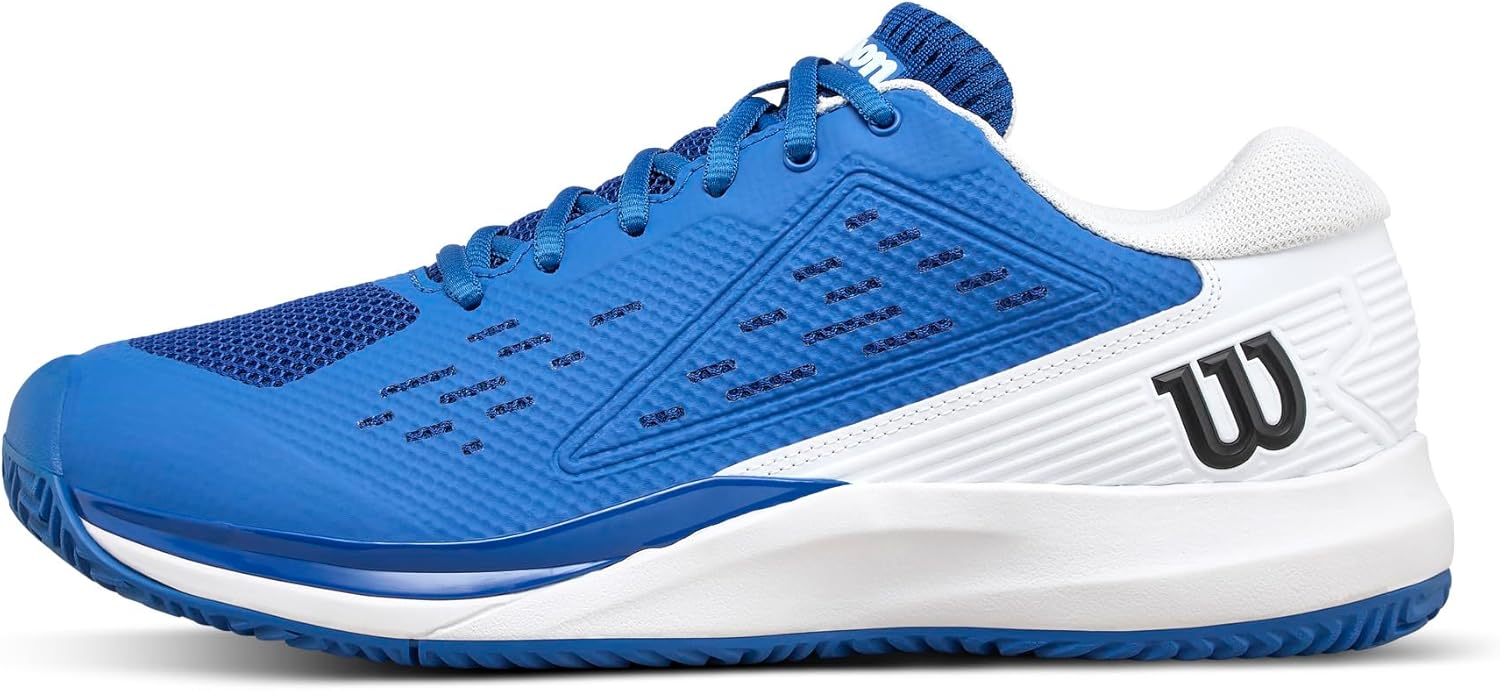
- RDST+ EVA midsole and 4D Support Chassis give strong cushioning and stability for quick pivots and stops.
- Wider toe box enhances comfort and reduces foot compression.
- Duralast outsole provides excellent durability and traction on hard courts.
Cons
- Slightly more “chunky” profile than minimalist pickleball shoes.
- Not the lightest shoe for speed‑focused players.
The Wilson Rush Pro Ace Pickler is a performance‑focused pickleball‑style shoe that’s great for aggressive players who like a solid, stable base. The wider toe box and strong arch support make it comfortable for all‑round play.
You should buy the Wilson Rush Pro Ace Pickler if you want a supportive, durable pickleball‑style shoe with a wider fit. It’s ideal for players who like a stable, cushioned feel with strong lateral support.

Pros
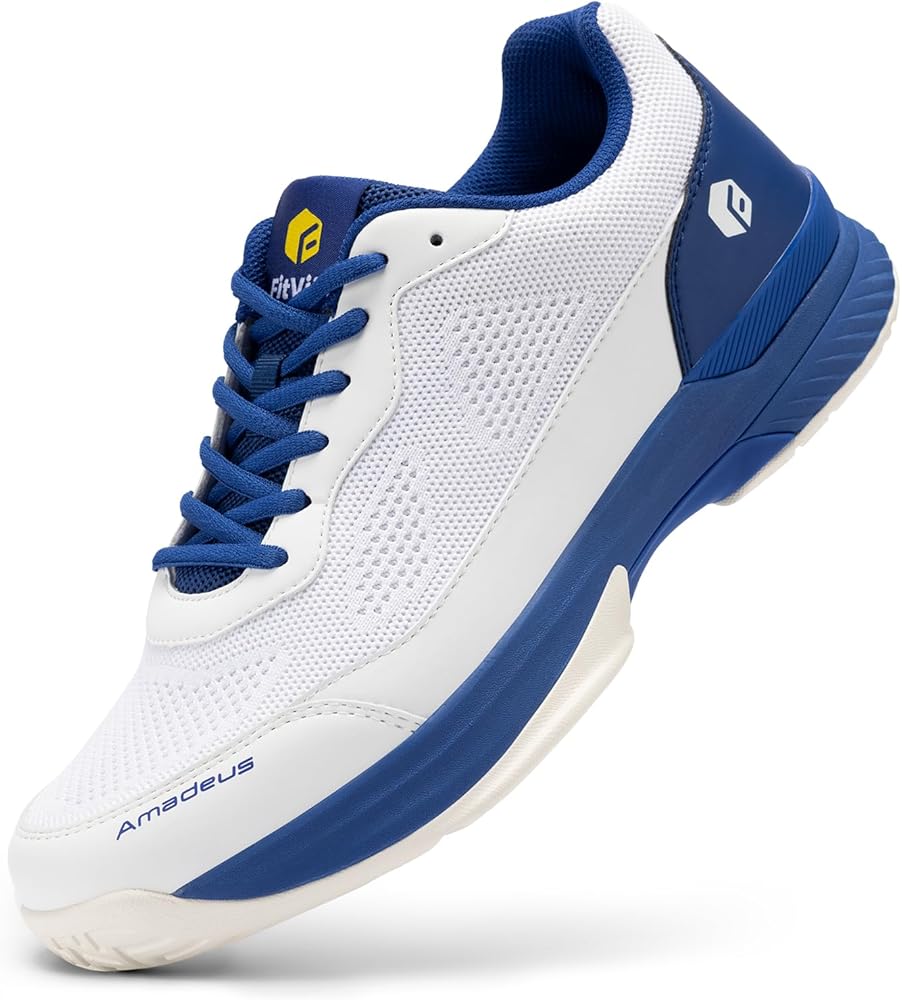
- Wide toe box specifically designed for wider feet, allowing natural toe splay during lunges and quick direction changes.
- Breathable upper and shock‑absorbing EVA midsole help reduce impact and keep feet cool.
- Non‑slip, torsion‑resistant outsole provides solid grip on various court surfaces.
- Budget‑friendly price for a wide‑fit pickleball‑style shoe.
Cons
- Style and materials are more “casual” than premium pickleball‑specific shoes.
- Not as advanced in terms of performance tech as top‑end brands.
The FitVille Wide Pickleball Shoe is one of the best wide‑fit pickleball‑style sneakers for men who want comfort without sacrificing performance. The wide forefoot and cushioned midsole make it great for players who struggle with tight or narrow shoes.
You should buy the FitVille Wide Pickleball Shoes if you have wide feet and want a comfortable, accessible pickleball‑ready shoe that’s great for indoor play and casual leagues.

Pros
- GEL cushioning in the forefoot and EVA midsole deliver a plush, shock‑absorbing feel.
- Trusstic shank improves stability and helps control quick direction changes.
- AHAR rubber outsole with flex grooves and pivot zones for smooth, controlled movement.
- Excellent for long matches and frequent play.
Cons
- Slightly older model; not as widely available as newer pickleball shoes.
- Fit is on the tighter side, so not ideal for very wide feet.
The ASICS Gel‑Renma is a comfort‑focused performance pickleball shoe with strong cushioning and stability. It’s excellent for players who want a shoe that feels soft on the foot without sacrificing control.
You should buy the ASICS Gel‑Renma if you want a cushioned, responsive pickleball shoe that’s great for long‑term comfort and controlled movement. It’s ideal if you want a balance of support and softness.

Pros
- Arch Fit® EVA insole and ULTRA GO® foam midsole provide excellent arch support and responsive cushioning.
- Goodyear Gold compound outsole is built for durability and controlled slides on the court.
- Relaxed Fit design gives a roomy feel in the forefoot, great for wider feet.
- Stylish, modern look that’s also suitable for padel and tennis.
Cons
- Slightly bulkier feel than ultra‑light pickleball shoes.
- Premium price.
The Skechers Viper Court Pro 2.0 is a high‑quality, comfort‑driven pickleball shoe that’s great for players who want a premium feel and strong arch support. It’s ideal for long sessions and tournament play.
You should buy the Skechers Viper Court Pro 2.0 if you want a comfortable, durable, and stylish pickleball shoe with strong arch support. It’s ideal for players who value cushioning, style, and durability.
Pros
- Non‑marking, one‑piece hard‑court outsole with herringbone pattern for durable traction.
- Energized EVA midsole adds cushioning and comfort.
- Budget‑friendly price and casual‑style look make it great for beginners and casual players.
Cons
- Not as advanced in performance tech as pickleball‑specific shoes.
- Slightly heavier than light‑footed options.
The Fila Volley Zone is a friendly, budget‑style pickleball shoe that’s great if you want a solid, comfortable shoe without spending a lot. It’s ideal for casual play and mixed‑sport use.
You should buy the Fila Volley Zone PBF if you want a budget‑friendly, comfortable pickleball‑style shoe. It’s ideal for beginners or players who want a single pair for casual pickleball and gym use.
Pros
- Floatride Energy foam midsole gives a soft, responsive cushioning feel.
- Flexweave upper and Griptonite rubber outsole provide strong multidirectional traction.
- Works well for indoor courts and general gym training, making it a versatile shoe if you cross‑train.
Cons
- Slightly heavier and “bulkier” than some pickleball‑specific options.
- Not optimized for very fast‑paced pickleball footwork.
The Reebok Nano Court is a multipurpose court shoe that’s great if you want one pair for pickleball plus fitness. It’s comfortable and supportive, with reliable grip on most indoor surfaces.
You should buy the Reebok Nano Court if you want a versatile court shoe that works for pickleball and gym workouts. It’s ideal for players who train frequently and want a comfortable, supportive shoe.

Pros
- Phylon midsole and Vibram rubber outsole give responsive cushioning and exceptional durability.
- Power Clip and heel counter add support for fast, aggressive play.
- Six‑month outsole durability guarantee reflects confidence in wear resistance.
Cons
- Higher price reflect the performance focus.
- Fit and feel are geared toward serious players rather than casual users.
The Tyrol Drive‑V Pro is a high‑performance pickleball shoe built for serious players who want strong durability and stability. The Vibram outsole and support features make it great for frequent, intense play.
You should buy the Tyrol Drive‑V Pro if you want a high‑end performance pickleball shoe with a durable Vibram outsole. It’s ideal for players who train hard and need a shoe that can keep up.

Pros
- Supportive CMEVA midsole and Durawrap upper give strong lateral support and protection against toe‑drag.
- Molded rubber outsole with high‑density compound and drag guards at toe and heel for durability.
- Lightweight yet stable around 12.7 oz, making it great for quick cuts and lunges.
Cons
- Slightly more “firm” feel than very soft‑foam shoes.
- Not the lightest option for speed‑chasers.
The K‑Swiss Pickleball Supreme is a top‑choice stability shoe for men who want a locked‑in, supportive fit without feeling heavy. It’s often recommended as a go‑to for serious players who do a lot of lateral movement.
You should buy the K‑Swiss Supreme if you want a supportive, pickleball‑specific shoe that feels stable and durable through long sessions. It’s ideal if you prioritize ankle and midfoot security.
Pros
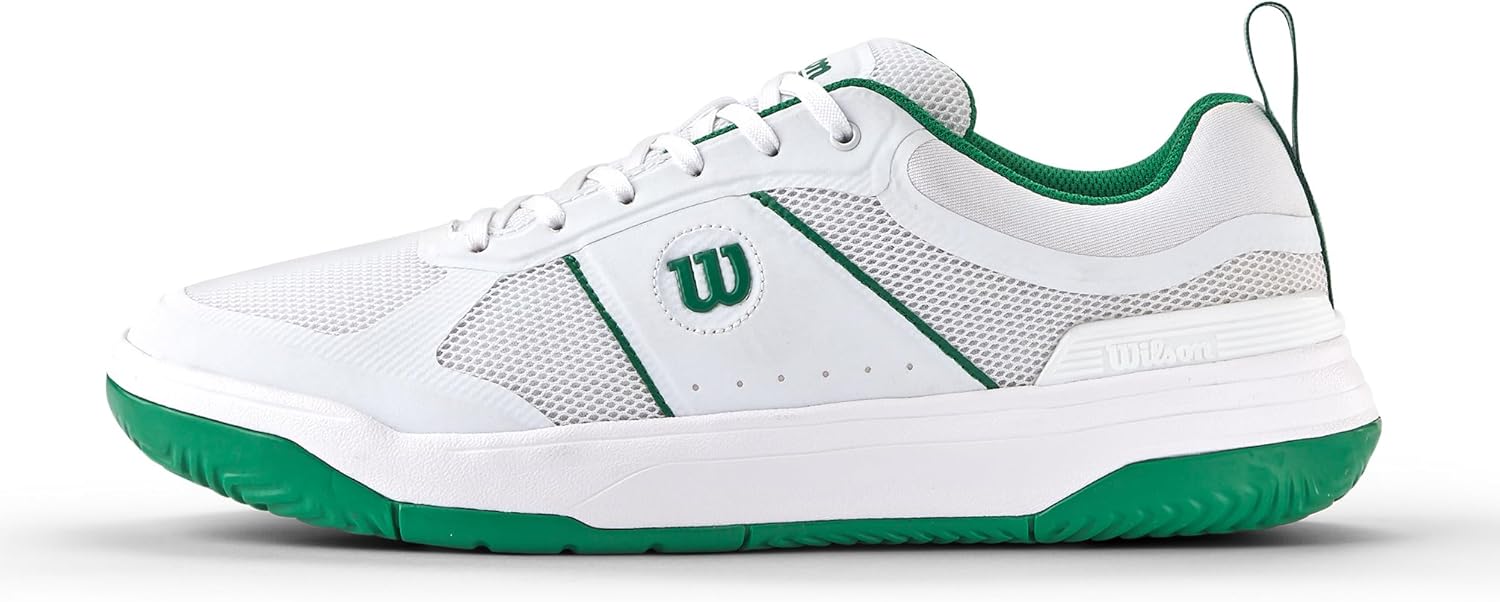
- RDST+ EVA midsole and 4D Support Chassis give strong cushioning and stability for quick pivots and stops.
- Wider toe box enhances comfort and reduces foot compression.
- Duralast outsole provides excellent durability and traction on hard courts.
Cons
- Slightly more “chunky” profile than minimalist pickleball shoes.
- Not the lightest shoe for speed‑focused players.
The Wilson Rush Pro Ace Pickler is a performance‑focused pickleball‑style shoe that’s great for aggressive players who like a solid, stable base. The wider toe box and strong arch support make it comfortable for all‑round play.
You should buy the Wilson Rush Pro Ace Pickler if you want a supportive, durable pickleball‑style shoe with a wider fit. It’s ideal for players who like a stable, cushioned feel with strong lateral support.
To ensure full transparency, our testing and ranking process for every men’s footwear model is based on the objective criteria outlined in our how we rank section. While we may receive a commission for purchases made through our links per our affiliate disclaimer, all reviews are conducted independently to help you find the most durable gear.
The Importance of Proper Footwear for Pickleball
The dynamic nature of pickleball, with its swift lateral movements and sudden changes in direction, calls for specialized footwear that can keep up with these athletic demands. A well-designed pair of pickleball shoes is not simply about comfort, but about actively promoting better performance and preventing injuries that can come from poorly chosen footwear. Wearing the right pickleball shoes allows players to execute quick movements on both indoor and outdoor courts effectively.

- Traction: The soles feature tread patterns specifically crafted to provide grip on different energy return surface types, preventing slips and allowing decisive and accurate movements.
- Stability & Support: Proper shoes offer reinforced sides and an overall structure designed to help keep the foot stable, reducing the risk of sprains or twists during intense gameplay.
- Durability: Shoes made from top-quality materials ensure longevity even during frequent and rigorous playing sessions. The durability factor also considers high abrasion areas, including the toe box and sides.
- Cushioning & Comfort: A responsive midsole cushions the impact, enabling players to play extended matches without noticing excessive foot strain.
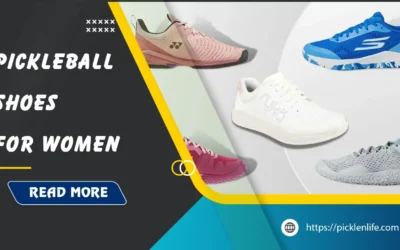
If you are looking for footwear with a narrower heel and different ergonomics, explore our guide on the best pickleball shoes for women
What Makes a Shoe a “Pickleball Shoe”?
Pinpointing what qualifies as a “pickleball shoe” involves analyzing specific features that cater to the unique requirements of the sport. These shoes are crafted to enhance agility, competitive edge, and overall gameplay enjoyment, emphasizing a blend of grip, cushioning, and support.
- Grip & Traction: The outsoles are typically non-marking with multidirectional tread patterns essential for offering excellent traction on court surfaces, whether indoor wood or outdoor asphalt.
- Ankle Support: Pickleball shoes often come with heightened ankle collars to prevent rolling, thus offering better lateral stability necessary for rapid movements. The added support translates to a lower injury rate.
- Flexibility: Despite being stable, these shoes afford a degree of flexibility, allowing natural foot motions essential for executing dynamic pickleball plays.
- Specialized Fit: These shoes often feature adjustable laces or straps, providing a snug fit that minimizes unnecessary foot movement inside the shoe, thus enhancing player response time and control.
Key Features to Look for in Pickleball Shoes for Men
The best pickleball shoes embodies several critical features. From grip-enhancing outsoles to flexibility-leaving uppers, these characteristics are tailored to the sport’s demands. As we delve deeper into these features, it’s essential to understand how everything from eight cushioning to the material’s breathability come together to provide superior control and comfort on the court.

Lateral Stability
In pickleball, lateral stability is indispensable due to the constant side-to-side motions that define the sport. A shoe that emphasizes lateral support is equipped with features that provide both balance and safety during aggressive lateral shifts, quick direction changes, and extended rallies.
- Structural Reinforcement: Shoes usually feature solid construction elements, such as reinforced side panels or internal shanks, that manage lateral movement without compromising flexibility.
- Wide Base Design: Many pickleball shoes have wider bases that lower the body’s center of gravity, contributing to better stability and reducing the odds of ankle rolls.
- Ankle Collar Designs: High-cut ankle collars combined with cushioned support elevate the stability quotient. This design not only offers mobility but also protects the ankles against twists and sprains commonly arising from abrupt shifts in momentum.
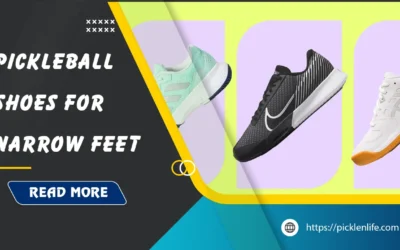
Many male players require additional space or stability; check out our specialized reviews for the best pickleball shoes for wide feet, best wide toe box pickleball shoes, or those with the best ankle support
Outsole Traction & Durability
Precision traction is crucial in pickleball, where quick stops and starts are frequent. An outsole capable of delivering grip while standing up against friction demands not just effectiveness but resilience.
- High-Quality Rubber: The use of high-grade rubber, such as Michelin, provides robustness and adaptability to varied courts ensuring both longevity and persistent grip.
- Tread Patterns: Non-linear, herringbone, or multi-directional tread designs are commonly used to enhance traction, allowing players to make rapid moves without slipping.
- Long-Lasting Construction: Durability is ensured by materials that resist abrasions from court surfaces, while reinforcements like toe caps protect against wear in high-stress areas.
Midsole Cushioning
Central to the shoe’s construction is midsole cushioning, a key feature supporting comfortable play through its shock absorption properties. The right cushioning minimizes impact shock, especially on hard surfaces, reducing fatigue and potential injury risk over time.
- Material Composition: Advanced cushioning technologies like EVA foam offer the necessary balance of softness and resilience required for sustained comfort.
- Energy Return: A quality midsole not only cushions but also facilitates energy return through materials like ULTRA FLIGHT, enhancing agility and speed.
- Arch Support: Care is placed in integrating arch support, crucial for maintaining foot alignment and reducing stress across the foot, granting athletes extended performance advantages.
If playing has caused discomfort, we have curated lists for the best pickleball shoes for plantar fasciitis, best pickleball shoes for flat feet, and best arch support pickleball shoes
Upper Material
The upper material in pickleball shoes dictates not just appearance but the overall functionality, impacting everything from breathability to lateral support. Selecting the right upper material can dramatically affect a player’s comfort and performance.
- Breathable Mesh: Combining synthetics with mesh maximizes airflow, crucial during heated matches, keeping feet dry and comfortable.
- Support System: Materials like TPU overlays add to the structural integrity, offering added support where it’s most needed, particularly during rapid directional changes.
- Flexibility: The upper mesh balances support with flexibility, allowing the shoe to adapt to the natural motion of the foot without compromising stability.
Toe Protection
Common in intensive sports like pickleball is the risk of stubbed toes owing to bursts of speed and swift changes in direction. Toe protection becomes crucial in mitigating such risks, especially when playing on hard surfaces.
- Reinforced Toe Caps: Durable rubber or synthetic toe caps provide crucial protection against impacts, significantly reducing the probability of toe injuries during intense play.
- Abrasion-Resistant Overlays: Additional overlays guard the shoe against wear in areas most susceptible to damage, maintaining the shoe’s performance and lifespan.
- Roomy Toe Boxes: A comfortable fit around the forefoot reduces friction, preventing blisters and enhancing overall movement flexibility.
Fit & Comfort
Finding a shoe that fits correctly is perhaps as important as any technical feature. Comfort affects not just your game duration but also focus and enjoyment during play.
- Perfect Sizing: An optimal fit leaves about a thumb’s space from the toes to the shoe’s end, sufficient for free movement without compromising support.
- Secure Lacing System: Look for systems that allow you to adjust tension precisely so that the shoe remains snug yet comfortable, safeguarding against mid-game slippages.
- Ample Padding: Both around the collar and under the footbed, adequate padding lessens impact force, promoting comfort across long games.
Finding the right balance of traction and weight is essential; learn more in how to choose pickleball shoes and our deep dive on pickleball vs tennis shoes
Common Mistakes to Avoid When Choosing Pickleball Shoes for Men
Given the crucial role footwear plays in pickleball, it is essential to pay close attention to shoe features. Missteps in the selection process can hinder performance or even lead to injury. Here, we will explore common pitfalls such as overlooking fit, disregarding court soles, and favoring style over substance.
Neglecting Shoe Fit and Comfort
Comfort and fit play a pivotal role not only in performance but also in preventing injuries and fatigue during gameplay. Neglect in this area leads to issues that could otherwise be avoided with careful selection.
- Ill-Fitting Shoes: These can cause blisters, foot pain, and reduced game efficiency. A shoe should fit snugly, allowing freedom at the toes and preventing movement inside the shoe.
- Adequate Break-In: Not accounting for a break-in period can cause discomfort as the shoe’s stiff materials might initially cause pressure points. Starting with gradual use helps minimize discomfort.
- Anatomical Considerations: Understand foot arch type for adequate support during the game, and consider wide-fit options when necessary.
Proper footwear is your primary defense against common pickleball injuries; ensure you also incorporate pickleball warm up exercises into your routine
Ignoring Court-Specific Soles
Choosing shoes without considering the type of court indoor or outdoor can lead to issues like insufficient grip or even court damage from improper soles.
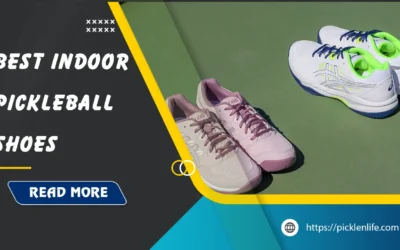
- Indoor Courts: Require non-marking soles that allow for easy moves without damaging court surfaces. These provide the necessary grip on smooth indoor surfaces.
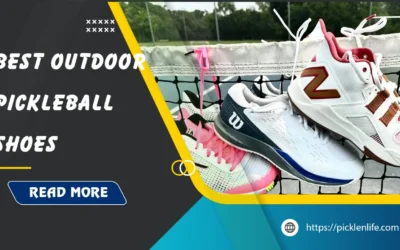
- Outdoor Courts: Durable soles with thicker, more aggressive tread patterns help withstand the rough and varied surfaces typical of outdoor play.
Prioritizing Style Over Function
Opting for a shoe solely based on appearance often undermines its functionality, negatively impacting gameplay.
- Functional Design Priorities: Ensure that shoe choices facilitate movement, provide support, and enhance court performance. This prioritization should outweigh color preferences or trending styles.
- Performance vs. Appearance: Effective pickleball shoes balance aesthetics with functionality but never sacrifice performance advantages for the sake of fashion.
Neglecting Ankle Support
Without adequate ankle support, players risk common injuries caused by sudden lateral movements inherent in pickleball.
- Proper Support Design: Shoes with ample padding, appropriate collar heights, and structural reinforcement can keep the ankles securely in position during game dynamics.
- Common Oversight: Many choose shoes based on other factors, underestimating the impact of ankle support, thus the consequences usually reflect as injuries or discomfort.
Choosing Running Shoes Instead of Court Shoes
Running shoes are designed differently than court shoes, prioritizing linear movement as opposed to the multidimensional movement in pickleball, which demands court-specific designs.
- Linear vs. Lateral Support: Running shoes focus on forward motion and cushioning impact but lack lateral stability and non-marking soles ideal for pickleball’s multidirectional movement.
- Court-Specific Technology: Court shoes, however, have specialized designs such as reinforced sides and tread patterns appropriate for pickleball surfaces.
Neglecting Cushioning and Impact Protection
A focus on aesthetics or even keeping budgets low might deprioritize impact protection, which plays a crucial role in long-term foot health and maintaining dynamic efficiency.
- Cushioning Requirement: Quality pickleball shoes feature midsoles that absorb shock, preventing excessive stress on the body from court impact.
- Potential Downfalls: Insufficient cushioning can lead to discomfort, increased tiredness during play, and even chronic joint or foot problems developing over time.
Finding the Right Fit: Sizing Tips for Men
Ensuring the perfect shoe fit is vital to maximizing performance and preventing discomfort or injuries. Men’s narrower or wider footwear needs can vary, demanding careful consideration during the selection phase for a personalized experience.
- Measurement Nuances: Measure the foot’s width and length during late day hours because feet swell throughout the day. Allow for an economical way to fit by doing so yourself using paper and a pencil.
- Foot Arch Classification: Understanding whether you have flat, regular, or high arches helps in prioritizing specific shoe attributes that align properly with your foot’s natural state.
- Try Before Purchase: Taking advantage of physical stores allows direct testing opportunities. Walking, shuffling, and simulating pickleball moves provide valuable insights into fit and comfort levels before finalizing purchases.
Frequently Asked Questions About Men’s Pickleball Shoes
With the perfect fit being paramount for maximizing play on diversity courts, attention turns to related questions. Queries about the usefulness of tennis shoes, outsole marks, design considerations for accident prevention, and replacement timelines remain at the forefront.
Can I Wear My Tennis Shoes for Pickleball?
While tennis shoes can be adapted for initial or casual pickleball play, relying on them solely may not be optimal. Pickleball-specific shoes incorporate functions enhancing swift side-to-side movements which average tennis shoes may not address as effectively.
- Temporary Suitability: Tennis shoes share some similarities, like grip and support, making them viable alternatives in beginner scenarios.
- Specific Advantage: Pickleball shoes often cater beyond general similarities, offering game-tailored advantages such as increased lateral support and non-marking soles.
- Specialized Edge: For regular pickleball play, models explicitly noted for this sport aid performance-enhancing attributes uniquely designed for the speed and agility demands, suggesting a well-rounded choice for dedicated players.
What Makes a Shoe Outsole “Non-Marking”?
Understanding what a “non-marking” outsole entails directly influences footwear choice for indoor pickleball. It centers on the assurance that shoes leave no scuffs or streaks on polished courts.
- Material Selection: Non-marking soles typically use soft rubber compounds tailored to maintain traction without risking unsightly marks subsequent to twisting or sudden action.
- Benefit for Players: It accommodates effective agility displays during sports where precision step and direction transitions are constant, protecting court surfaces while fulfilling functional expectations.
Pickleball veterans prefer selecting shoes with reliable non-marking properties, knowing they preserve their equipment and maintain facilities’ aesthetics in any momentum-filled play session.
What are the Best Shoe Features for Preventing Ankle Injuries in Pickleball?
Mitigating the risk of ankle strains or sprains while ensuring protection should be included when screening for suitable pickleball footwear.
- Firm Structure: Shoes with adequately padded ankle collars and firm arches prevent accidental overextensions that can result in injury.
- High Traction Soles: These vital elements stop unintended slips causing twists, securing control over body’s momentum shifts.
- Weight Distribution: Footwear offering light construction without forfeiting stability provides the ability to maneuver key direction changes quickly yet safely.
Suppose ankle injuries prevail as a concern; in that case, shoes flaunting tight ankle support and tailored cushioning against physical impact may uphold performance longevity on the pickleball court.
How Often Should I Replace My Pickleball Shoes?
The longevity of pickleball shoes often depends on frequency AM & quality of their materials. However, replacement signals are evident after a period.
- Wear Indicators: Physical wear signs on the outsole, like thinning treads, signal a diminished ability to supply adequate traction and control.
- Comfort Decrease: If midsole cushioning feels noticeably compressed or lacks its original support, transitioning into new gear should happen.
- Time-Based Evaluations: A good rule involves replacement after 60-100 hours of cumulative play to ensure joints and feet are looked after, preserving long-term fitness and anticipation control.
By observing wear cues routinely, players can timely refresh footwear to ensure ongoing performance excellence with injury prevention maintained at core focus.
Conclusion
Selecting the best pickleball shoes for men requires a delicate balance of several design features, from traction and durability to cushioning and fit. Understanding these essential elements allows players to make informed decisions that will enhance their game, keeping them nimble, secure, and focused on the match.
Moreover, recognizing common pitfalls in shoe selection such as prioritizing style over function or ignoring the need for specialized support can protect from potential injuries and ensure a more enjoyable playing experience. Ultimately, whether you are just starting or are an advanced pickleball player, investing carefully in the appropriate footwear directly impacts how well you can perform and how much you can enjoy the exciting world of pickleball.
Write Your Review
No reviews yet. Be the first to share your experience!