

Step inside and the game changes completely. No wind to fight, no sun glare to squint through, no rough asphalt punishing every bounce just you, a smooth gym floor, and the kind of controlled environment where every subtle aspect of ball performance becomes magnified. Indoor pickleball balls are softer, lighter, and drilled with larger, fewer holes than outdoor balls a design that prioritizes a slower, more deliberate bounce and a truer, more predictable flight path on polished hardwood and sport court surfaces.
The best indoor pickleball balls reward the touch game, amplify the soft shots that define high-level indoor play, and deliver a consistency that lets your technique not the conditions determine the outcome of every rally. Inside these walls, the only variable that matters is how well you play.

Top 9 Best Indoor Pickleball Balls of 2026
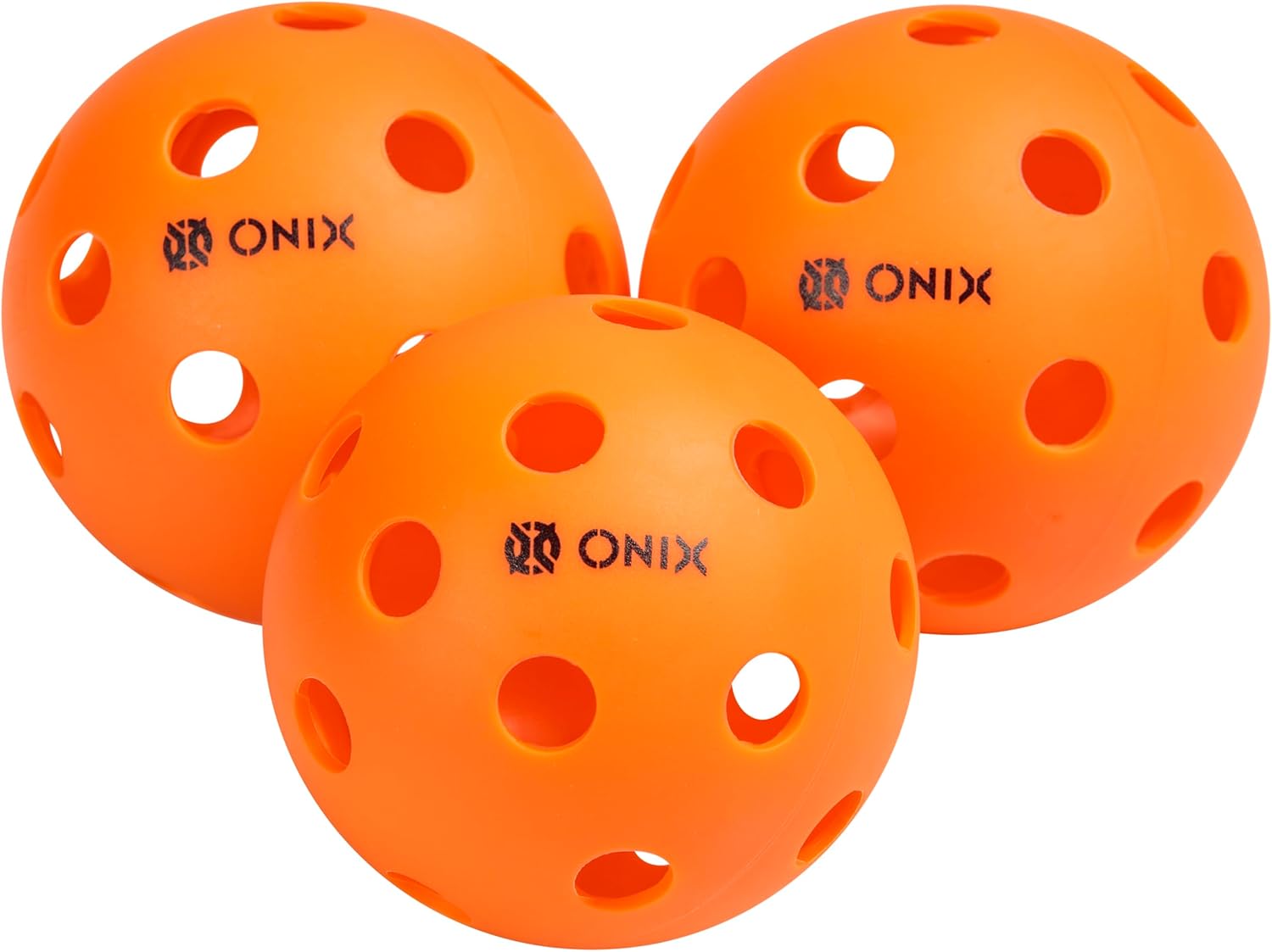
Pros
- Designed specifically for indoor courts, with a larger hole pattern and softer bounce on concrete or gym floors.
- Precision‑drilled holes and strong seam welding give consistent, true flight and resistance to splitting.
- Ready to play right out of the box and USAPA‑approved for indoor tournament play.
Cons
- Not ideal for outdoor use; wind and pavement wear will shorten its life.
- Slightly different feel and bounce compared to outdoor balls, so it’s not a true “all‑terrain” ball.
The ONIX Fuse Indoor is a purpose‑built indoor ball that bridges the feel between indoor and outdoor play. Its larger hole pattern and indoor‑optimized construction reduce bounce height and help maintain a smooth, predictable roll on gym floors, while the reinforced seams prevent splitting during intense training.
You should buy the ONIX Fuse Indoors if you primarily play in gyms, rec centers, or indoor arenas and want a ball that feels authentic and lasts well. It’s great for indoor league play, clinics, and practices.

Pros
- USAPA‑approved for indoor tournament play with precise 26 holes and a 26‑gram weight.
- Anti‑skid design and steady pressure help the ball stay under control and maintain a consistent bounce on wooden floors.
- Bright, high‑visibility design makes it easy to track during fast rallies.
Cons
- Pack of 3 is small if you train frequently or host clinics.
- Premium price for a small pack.
The HEAD Championship 26 Indoor is a tournament‑style indoor ball that’s built for precision and control. The anti‑skid surface keeps the ball stable on slick gym floors, and the bright color helps you focus during rallies. It’s a favorite for players who want a ball that feels like what’s used in official matches.
You should buy the HEAD Championship 26 Indoor if you want a tournament‑ready indoor ball with a clean, consistent feel. It’s ideal for players who train on wooden courts and want a premium indoor option.
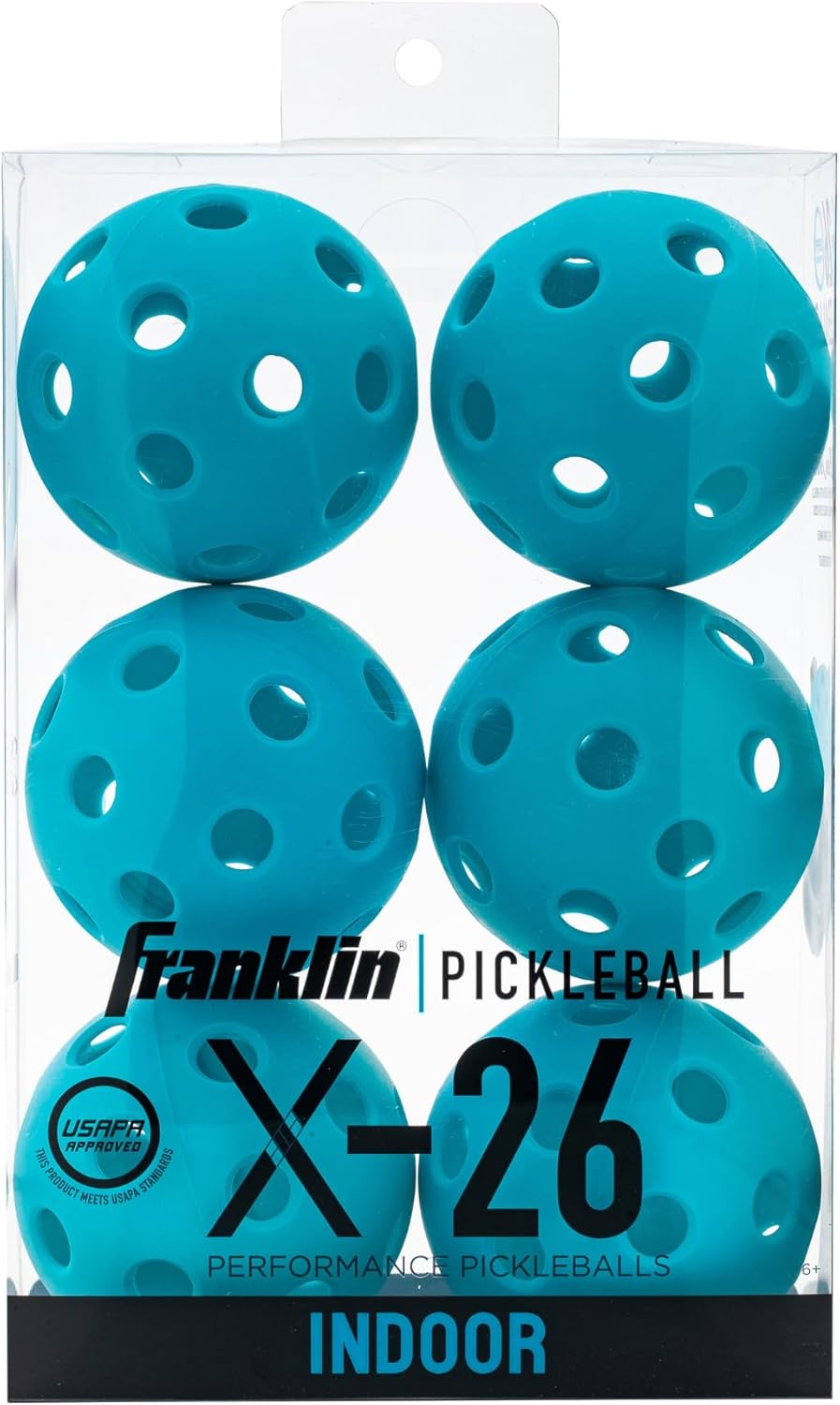
Pros
- USAPA‑approved indoor ball made from EVA material with 26 precisely beveled holes for balanced, stable flight.
- 26‑gram weight and 74 mm diameter meet official indoor specs.
- Durable construction and consistent bounce make it great for frequent indoor use.
Cons
- Slightly higher price than basic practice balls.
- Not as bright or “high‑vis” as some other indoor options.
The Franklin X‑26 Indoor is a high‑quality indoor ball designed for players who want a smooth, predictable flight pattern. The EVA construction and precise hole design keep the ball flying straight and bouncing reliably, making it suitable for leagues, clinics, and everyday practice.
You should buy the Franklin X‑26 Indoor if you want a durable, tournament‑ready indoor ball with excellent balance and minimal drift. It’s ideal for players who value consistent performance over flashy colors.

Pros
- USAPA‑approved indoor balls with 26 precisely drilled holes in TPE material for extra bounce and durability.
- Bright orange color is easy to see under most indoor lighting.
- 12‑pack in a mesh bag is great for clubs, schools, and rec centers.
Cons
- Can feel slightly “bouncier” than some more controlled indoor balls.
- Brand is less established than big names like ONIX or HEAD.
The Warping Point Indoor 26‑hole set is a value‑oriented indoor pack that’s great for beginners and intermediate players. The TPE construction and thicker seams make the balls resistant to cracking, and the bright orange color keeps them easy to spot on the court.
You should buy the Warping Point 26‑Hole Indoor if you want a budget‑friendly indoor ball pack that’s great for group play and practice. It’s ideal for centers, gyms, and families.

Pros
- 2‑piece ball design with a 2.9" diameter and 0.85 oz weight that meets USAPA criteria.
- 26 evenly drilled holes give excellent balance and control, similar to outdoor balls but tuned for indoors.
- High‑visibility green color stands out well in most gym settings.
Cons
- Slightly higher price per ball.
- Feels a bit “different” from classic indoor 1‑piece balls, which may take some getting used to.
The Gamma Photon Indoor is a high‑visibility, precision‑oriented indoor ball that’s great for players who like a little extra speed and control. The 2‑piece construction and 26‑hole design create a ball that’s lively yet stable, perfect for tactical play and spin‑heavy rallies.
You should buy the Gamma Photon Indoor if you want a precision‑focused indoor ball with a unique 2‑piece design. It’s ideal for players who like a slightly faster, more controlled feel and who enjoy experimenting with a ball that bridges indoor and outdoor play.

Pros
- USAPA‑approved indoor ball with a vibrant color and consistent bounce on wooden floors.
- No skid design keeps the ball controlled and predictable.
- Available in large packs (e.g., 100‑pack), great for clinics, schools, and rec centers.
Cons
- Comes in large quantities, so it’s overkill if you just need a few balls.
- Not as flashy or “premium‑feel” as some smaller‑pack indoor balls.
The Penn Indoor is a versatile workhorse ball built for high‑volume use. Its bright color and no‑skid design make it great for indoor wooden courts, and its durability means you can rely on it for long‑term use in busy facilities.
You should buy the Penn Indoor if you want a reliable indoor ball for gyms, schools, or rec centers. It’s ideal for coaches and facility managers who need a ball that’s durable, visible, and consistent.

Pros
- Bold coloring and 74 mm size with 26 holes for a consistent spin and excellent visibility.
- USAPA‑approved for indoor play, suitable for recreation and tournament‑style matches.
- 4‑pack gives you enough balls for practice and short games.
Cons
- Smaller pack size means you’ll need to buy multiple packs for frequent use.
- Speedy feel may be too fast for some beginners.
The PCKL Optic Speed Indoor is a bright, fast‑moving indoor ball that’s great for players who want to see the ball clearly and keep rallies quick. The 26‑hole pattern and weight give a lively, spin‑friendly result that’s great for modern, fast‑paced indoor play.
You should buy the PCKL Optic Speed Indoor if you want a high‑visibility, fast‑pace indoor ball that’s great for competitive practice and fun matches. It’s ideal for players who like aggressive rallies and a ball that responds well to spin.
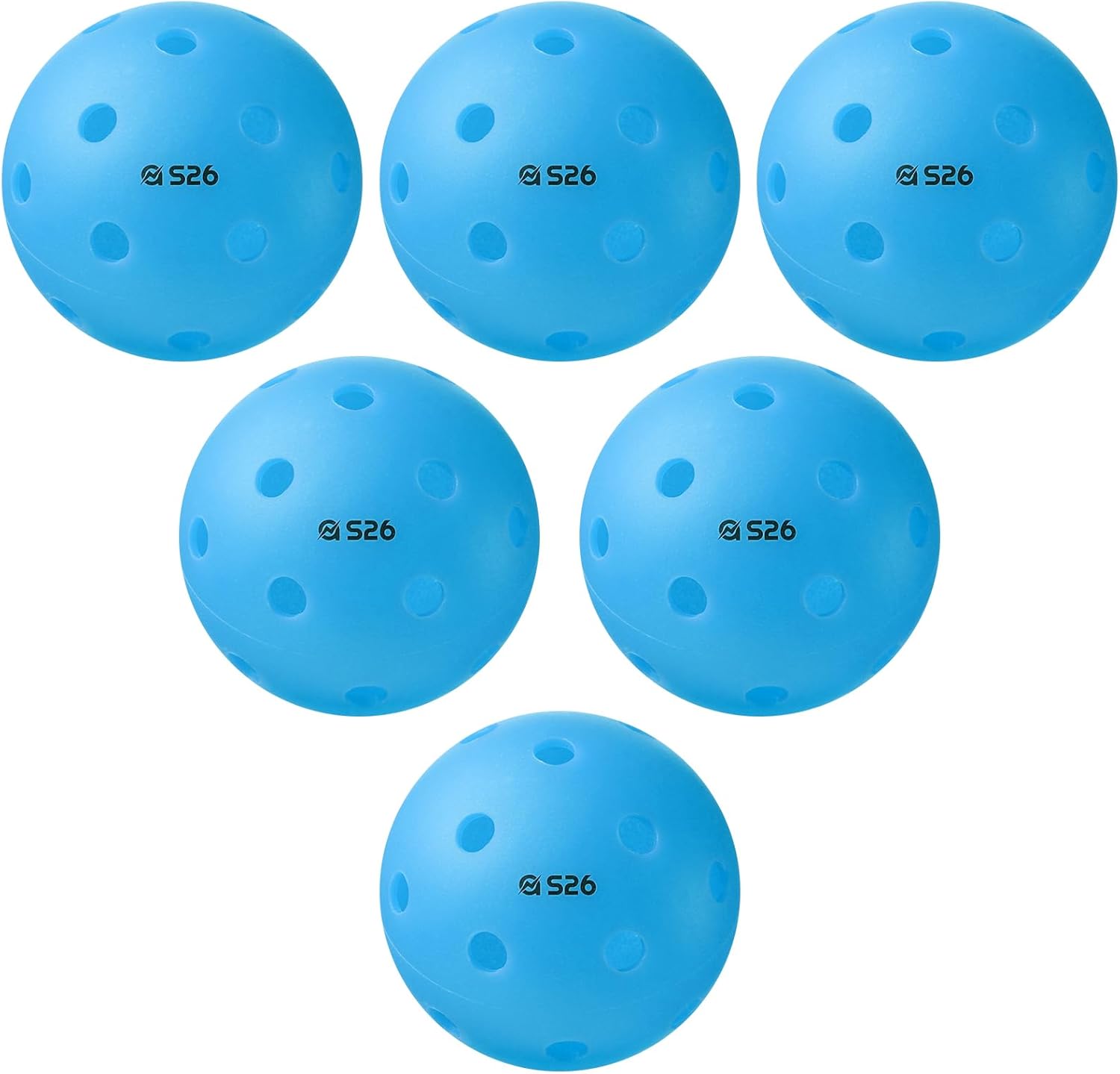
Pros
- USAPA‑approved indoor balls with 26 precisely machine‑drilled holes for excellent balance and stability.
- Bright color and high‑visibility design help you track the ball easily in dim lighting.
- Available in 6‑ or 12‑packs, making it great for both individuals and clubs.
Cons
- Premium price for the brand and feel.
- Not as widely known as ONIX or HEAD, so availability may vary.
The A11N S26 Indoor is a premium‑style indoor ball that’s built for players who want a smooth, quiet experience. The 26‑hole design and high‑quality materials keep the ball flying straight and bouncing consistently, even after long sessions.
You should buy the A11N S26 Indoor if you want a premium, durable indoor ball that’s great for all skill levels. It’s ideal for players who want a quieter, more controlled indoor experience with a modern, high‑tech feel.

Pros
- 6‑pack of USAPA‑approved indoor balls with 26‑hole design and high‑visibility color (often lime green).
- Mesh carry bag for easy transport and storage.
- Affordable price makes it great for beginners and casual players.
Cons
- Not as durable as premium indoor balls in heavy‑use environments.
- Smaller pack size may not last long in a busy gym.
The 6‑Pack 26‑Hole Indoor Pickleball is a lightweight, value‑oriented indoor set that’s great for home practice, small groups, and casual play. The bright color and 26‑hole balance design keep the ball easy to see and track, and the mesh bag helps keep everything organized.
You should buy the 6‑Pack 26‑Hole Indoor Pickleball if you want a budget‑friendly indoor ball pack for casual play and practice. It’s ideal for beginners and players who want to try indoor pickleball without spending a lot.
To ensure full transparency, our testing and ranking process is based on the objective criteria outlined in our how we rank section. While we may receive a commission for purchases made through our links per our affiliate disclaimer, all indoor ball reviews are conducted independently to help you find the highest quality gear for your local gym
Factors to Consider When Buying Indoor Pickleball Balls
When embarking on your quest for the perfect indoor pickleball ball, consider the specifics of your environment and playing needs. The surface you’ll be playing on, the visibility of the ball, and how the ball will handle during play are crucial. Remember, indoor pickleball balls typically require innovative designs, like fewer and larger holes to adapt to wind-free environments, softer materials for better bounce on smooth courts, and colorful exteriors for enhanced visibility.

Indoor Use or Outdoor Use: Knowing the Difference
Understanding the distinction between indoor and outdoor pickleball balls is vital for optimal performance. Indoor pickleball balls generally have 26 larger holes, which help them maintain a stable and controlled flight path indoors. Contrastly, outdoor balls feature 40 smaller holes for improved wind resistance during exterior games. While indoor balls are crafted from softer plastics to minimize noise and maximize bounce control on gymnasium floors, outdoor balls are designed to be robust, enduring harsher surfaces and environmental conditions. Equipped with this knowledge, you can strategically decide which ball best suits your environment and playing style.

Pickleball Ball Material and Construction: What It’s Made of Matters
The materials used in the best pickleball balls significantly impact their playability and durability. Indoor pickleballs are typically made from softer plastic, creating a more forgiving surface that enhances control and reduces noise, making them ideal for use in gymnasiums. Outdoor balls, however, are crafted from harder plastic to endure uneven outdoor surfaces and weather conditions. Polypropylene (PP) and polyethylene (PE) are popular materials, their durability, and bounce consistency being ideal for extended play.
Pickleball Ball Color: Seeing is Believing
Color plays an integral role in pickleball, affecting your ability to track the ball during play. Indoor pickleballs typically come in bright colors such as yellow, orange, or green, enhancing visibility against gym floors and under various lighting conditions. These hues ensure you can maintain focus during quick gameplay exchanges. Conversely, outdoor balls might utilize slightly subtler shades to stand out against natural backdrops. Picking the right color can improve your response time and accuracy, key elements in any successful pickleball strategy.

Pickleball Ball Size and Weight: Official Specifications
The official size and weight of a pickleball ball are regulated to ensure a fair and consistent playing field. Indoor pickleballs tend to be slightly lighter, around 0.8 ounces, allowing more precise control throughout matches. They measure between 2.874 and 2.972 inches in diameter. Conforming to these specifications ensures that any ball used meets the competitive standards, maintaining the integrity and enjoyment of the sport.
Pickleball Ball Bounce: The Heart of the Game
Bounce is a determining factor in pickleball’s fluidity and excitement. Indoor balls, tailored for the smooth surfaces of indoor courts, are designed to provide an optimal bounce, a critical aspect in maintaining long rallies and keeping the game competitive. A good bounce improves control, allowing players to showcase their skills, finesse, and quick thinking. As you consider your options, be sure to select a ball that offers a reliable and responsive bounce suited to your gameplay needs.
Pickleball Ball Balance: Ensuring True Flight
A well-balanced pickleball is crucial for consistent flight and control. Balance ensures that the ball responds predictably when hit, a key aspect for making accurate shots and maintaining powerful rallies. When selecting your indoor pickleball, look for a design that incorporates an even distribution of weight, allowing for precision and stability. True flight, as achieved through meticulous construction, enhances the quality of your play, making each game more thrilling and competitive.
USAPA (USA Pickleball) Approval: The Mark of Quality
Balls that bear the USAPA approval are trusted to meet the highest standards in pickleball. This seal of approval is given only after extensive evaluation for performance characteristics including size, weight, and bounce. Such rigorous testing ensures the ball performs reliably in competitive settings. Opting for a USAPA-approved ball means you are choosing a product that can stand up to the demands of spirited and routine play, delivering exceptional quality and longevity.
Indoor vs. Outdoor Pickleball Balls: A Side-by-Side Look
Understanding the nuanced differences between indoor vs outdoor pickleball balls allows you to make informed choices tailored to your playing environment. Indoor balls are specialized for gym floors and carry distinct adaptations like softer materials and fewer holes to enhance the indoor game. Outdoor balls cater to more rugged play, built to endure various elements and higher wind impacts. This side-by-side comparison clarifies the unique needs each ball satisfies.
If you occasionally play on asphalt or concrete, you will also need to stock up on the best outdoor pickleball balls
Weight Differences
Weight is a critical factor that influences the playability and control of pickleball balls. Indoor pickleballs typically weigh around 0.78 ounces, offering a more controlled and delicate play style suited for the stable environments of indoor courts. Their lighter construction allows players to execute finely-tuned shots. Outdoor pickleballs, with a slight increase in weight, typically 0.9 ounces, are optimized to counteract external elements like wind. This added heft aids in maintaining trajectory and control in unpredictable conditions.
Hole Count
The number and size of holes on pickleball balls are designed to suit specific playing conditions. Indoor balls feature 26 larger holes, catering to environments that require less wind resistance and more stability. This feature contributes to the consistent bounce and flight necessary for indoor play. In contrast, outdoor pickleballs have 40 smaller holes, designed to resist wind impacts and ensure a true flight path even in adverse weather conditions. The hole design plays a crucial role in how the ball acts during a game, influencing your ability to predict and control its movement.

Hardness Levels
Hardness levels in pickleball balls define their responsiveness and endurance. Indoor balls, made from softer materials, offer a gentler bounce and reduced noise during play, making them suitable for enclosed spaces. These characteristics allow for precise control and deliberate strategy. On the other hand, outdoor balls are crafted from harder plastics, ensuring greater bounce and durability needed for rough and tumble outdoor play. The hardness directly affects the ball’s durability and performance, dictating how well it performs under different surface conditions.
Noise Considerations
Noise considerations should not be overlooked, especially in noise-sensitive indoor environments. Indoor pickleballs are designed with softer plastic and larger holes, which significantly lower the impact noise ideal for places where echo reduction is necessary. This softer impact ensures a quieter gameplay experience, which is beneficial for maintaining a focused environment. Outdoor balls, however, are designed for performance, not noise reduction, thereby producing a characteristic “pop” when hit, a sound that resonates well in open spaces and sharpens the competitive atmosphere.
Extending the Life of Your Balls: When to Change Them
To maintain peak performance, it is essential to change your pickleball balls when they exhibit noticeable wear. Indoor balls, with their softer construction, might wear out quicker than outdoor options and should be monitored for cracks or loss of bounce. Regular rotation of balls used frequently in practice or competitive play can extend their lifespan and ensure consistent game quality. Proper storage, such as avoiding extreme temperatures or direct sunlight, also helps preserve the integrity of the ball over time. Being vigilant about the condition of your pickleball equipment is paramount for optimal performance and longevity.
Learn about the expected lifespan of your gear in how long do pickleballs last and why certain pickleball colors are more visible against gym backgrounds
Final Thoughts
Choosing the right indoor pickleball balls involves more than just picking a color you like. It’s about understanding the dynamics of weight, hole configuration, material hardness, and the bounce characteristics that fit your playing environment. Each of these factors contributes to your overall performance in the game. By aligning these elements with your personal playing style and court conditions, you ensure a more enjoyable and effective playing experience. Whether you are a beginner or a seasoned player, investing in the best equipment ultimately enhances your time on the court and contributes to mastering the game of pickleball.
FAQs
As you delve into your pickleball journey, numerous factors influence your decision on the best ball to use. Our discussion highlights essential considerations such as environment suitability, performance, and durability. Aligning these insights with your personal preferences will streamline your decision-making process.
Is It Okay to Use Outdoor Balls if I’m Just Practicing Indoors?
While you might be tempted to use outdoor pickleball balls for indoor practice, it’s not recommended. Outdoor balls are harder and skid more on indoor surfaces, potentially affecting control. Their design optimizes them for wind resistance and rough outdoor surfaces, which can lead to issues with bounce and predictability indoors. Conversely, indoor balls offer a softer, more forgiving play, crucial for honing skills and technique in a controlled setting. For effective practice, utilize the right tools to simulate game-day conditions accurately.
Why Do Indoor Balls Feel Softer Than Outdoor Balls?
Indoor balls feel softer due to their composition and structural design. Made from a softer plastic, these balls deliver an enhanced bounce and are easier to control. The larger hole design, a staple in indoor balls, reduces weight and improves manageability, contrasting with the harder, denser material of outdoor balls. The increased hardness in outdoor settings ensures longevity and durability, whereas, in indoor scenarios, the softer texture contributes to a quieter game suitable for noise-sensitive environments.
What Colors Are Typically Available for Indoor Pickleballs?
Indoor pickleballs are available in vibrant colors such as neon yellow, orange, and green, designed to enhance visibility and tracking under artificial lighting. This contrasts with outdoor balls often presented in more muted tones like bright yellow, to stand out against natural landscapes. Choosing the right color aids your visual tracking skills during fast exchanges and applies a strategic advantage. Inconsistent lighting or dark surfaces often found in indoor settings are mitigated by such eye-catching colors.
How Long Does an Indoor Pickleball Typically Last Compared to an Outdoor One?
Indoor pickleballs tend to have a longer lifespan due to the controlled playing conditions, free from harsh weather elements like sun or wind. Their smoother, more forgiving surfaces reduce wear and tear significantly. Outdoor pickleballs, however, are subjected to rough surfaces and fluctuating environmental conditions, which expedite wear. This disparity in longevity highlights the importance of selecting the appropriate ball for the intended playing environment to maintain optimal performance over time.



Write Your Review
No reviews yet. Be the first to share your experience!