

Your paddle might be perfect – but if the grip feels dead, slippery, or worn down to the bare handle, none of that perfection matters. An overgrip is the simplest, cheapest, and most immediately impactful upgrade you can make to any pickleball paddle, and it takes less than three minutes to apply. The best pickleball paddle overgrips restore that fresh-out-of-the-box tackiness, add just enough cushion to absorb vibration, and keep moisture from ever becoming a factor in your game. No new paddle required. Just peel, wrap, and play like your gear is brand new again.

Top 9 Best Pickleball Paddle Overgrip of 2026
Considering various factors such as comfort, durability, and style can help you select the ideal pickleball paddle overgrip. By evaluating your priorities, you’ll find options that match your play style and needs. From overgrips renowned for sweat absorption to those celebrated for their high tackiness, each offers unique benefits to elevate your game.

Pros
- Very absorbent material that soaks up sweat and keeps the paddle handle firm and secure.
- Extra‑tacky surface stays grippy even when damp, making it excellent for long, sweaty rallies.
- Soft, cushioned feel reduces hand fatigue and vibration.
- Durable enough for regular play, so it lasts longer than many ultra‑thin overgrips.
Cons
- Can feel a bit thick or “padded” for players who like an ultra‑slim, direct‑feel handle.
- Not as aggressively dry‑feeling as the pure “dry‑feel” style overgrips.
The Gamma Sports Supreme Overgrip is one of the most popular overgrips in tennis and pickleball because it balances tackiness, cushion, and sweat absorption so well. It provides a soft, tacky feel that stays confident even when your hands get wet, and the thickness helps dampen vibration and reduce arm fatigue. Many players consider it the “do‑everything” overgrip that works well in most conditions.
You should buy this overgrip if you want a soft, thick, and very sweat‑absorbent option that stays grippy and comfortable through long matches. It’s ideal for players who like extra cushion and don’t mind a slightly larger handle, especially in hot or humid conditions.

Pros
- “Dry‑feel” formula actually gets tackier as it gets wet, giving excellent grip security in humid or sweaty play.
- Absorbs a lot of moisture so sweat doesn’t pool on the surface.
- Fits both standard and long pickleball handles comfortably.
Cons
- Wears out faster than thicker, more durable wraps, so you’ll replace it more often.
- The dry, slightly abrasive feel isn’t as soft as some players prefer.
Tourna Grip (original light blue) is widely regarded as one of the best overgrips for very sweaty hands. The “dry‑feel” surface soaks up moisture and increases tack as it gets wet, which keeps the paddle locked in your hand during intense rallies. It’s a favorite among players who battle humidity, heavy sweating, or long tournament days.
You should buy this overgrip if you have very sweaty hands and want a high‑security, dry‑feel wrap that stays grippy the whole match. It’s ideal for hot‑weather play or when you need maximum confidence that your paddle will not slip out of your hand.

Pros
- Ultra‑tacky PU‑coated surface that feels very sticky and secure.
- Moisture‑wicking material helps keep sweat away from the surface.
- Soft, cushioned feel adds comfort without being overly thick.
- Bright neon color makes it easy to see when the grip is worn out.
Cons
- The tacky feel can be too strong for players who like a dry, natural‑leather‑style grip.
- Softer material can wear down faster than thicker, more durable overgrips.
Gamma Sports’ Neon Tac (and Neon Dri) overgrips are built for maximum tackiness while still managing sweat. The PU‑coated surface clings to your hand, and the moisture‑wicking base keeps the grip firm and consistent. These are great choices for players who want to feel like the paddle is “stuck” to their palm without adding bulky thickness.
You should buy this overgrip if you want maximum stickiness and a soft, cushioned feel. It’s ideal for players who like a very secure, almost “grippy” hold and know they’ll replace it more often for that extra confidence.
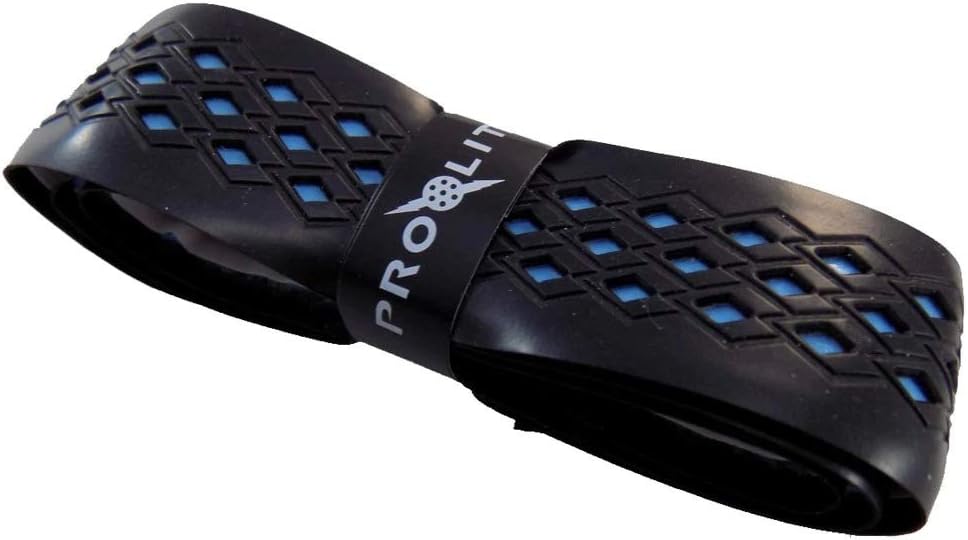
Pros
- Very durable, abrasion‑resistant material that lasts longer than many felt‑based overgrips.
- Designed specifically for pickleball, with a surface that manages sweat while staying firm.
- Good traction and grip security during long sessions.
Cons
- Less cushioned than plush felt overgrips, so it can feel a bit firmer in the hand.
- Not as soft or “tacky” as the very top‑end cushion‑and‑stick grips.
The ProLite No‑Sweat Diamond Grip is a pickleball‑specific overgrip built for longevity and sweat control. The diamond‑texture surface adds extra traction, and the durable material stands up to frequent use and rough field conditions. It’s a strong option for players who want something that won’t wear out quickly, even if they change it less often.
You should buy this overgrip if you want a long‑lasting, durable grip that still manages sweat reasonably well. It’s ideal for players who play frequently and want to reduce the number of times they replace overgrips each month.

Pros
- Thin, soft overgrip that feels smooth and slightly tacky without adding bulk.
- Good sweat absorption and a comfortable feel for the price.
- Often sold in multi‑packs, giving excellent value per grip.
Cons
- Not as aggressively tacky as the highest‑end PU‑style or “dry‑feel” options.
- Can wear down relatively quickly under heavy use.
The Yonex Super Grap Overgrip is a budget‑friendly, thin‑feel option that offers a smooth, soft surface with a light tackiness. It’s widely used in tennis and adapted well to pickleball, especially for players who like a slim, direct‑feel handle at a low price. The felt‑like material is comfortable in the hand and doesn’t dramatically change the paddle’s size.
You should buy this overgrip if you want a cheap, thin, and comfortable option that still improves grip and manages sweat okay. It’s ideal for players on a budget or who like to change overgrips often without overspending.

Pros
- Extremely thin profile that adds almost no thickness to the paddle handle.
- Gives a more direct, racket‑like feel while still adding a bit of grip security.
- Lightweight and barely noticeable once applied.
Cons
- Minimal cushioning, so it doesn’t dampen vibration much.
- Not as sweat‑absorbent or tacky as thicker, more modern overgrips.
The Gearbox Overgrip is an ultra‑thin option designed for players who want to maintain the original handle feel of their paddle. It’s great if you like a slim, low‑profile grip and don’t need a ton of cushion or sweat control. The minimal thickness is ideal for players who already have a comfortable base grip and just want a light refresh.
You should buy this overgrip if you want to keep your paddle handle as slim as possible while still adding a light protective layer. It’s ideal for players who prefer a direct, connected feel and already manage sweat with other grip‑enhancing products.

Pros
- Textured surface is designed to maximize traction and prevent slippage.
- Good at grabbing sweaty hands without turning clammy.
- Soft enough to stay comfortable in the hand.
Cons
- Texture can feel a bit rough or “grippy” for players who like smoother overgrips.
- Durability is not as proven as some of the classic, widely used options.
The Alien Pro Overgrip is built for maximum traction, using a special surface texture that bites into the hand while still absorbing some moisture. It’s a solid option for players who feel like they’re losing the paddle during long rallies or in humid conditions. The feel sits between soft‑felt and ultra‑tacky, giving you more grip without being too abrasive.
You should buy this overgrip if you want extra‑aggressive traction without going all‑in on a super‑abrasive or ultra‑thick wrap. It’s great for players who feel like their paddle slips but still want a comfortable, secure grip.

Pros
- Smooth, leathery, slightly tacky feel that mimics the texture of leather grips.
- Thin and soft, so it doesn’t add bulk to the handle.
- Reasonably absorbent for moderate sweat.
Cons
- Not as aggressively sweat‑managing as the very best “dry‑feel” overgrips.
- Some players may want more grip enhancement than the subtler leathery feel offers.
The Yonex Super Grap Overgrip is also a top choice if you want a more leathery, natural‑feel grip. It uses a soft felt‑like material with a smooth, slightly tacky surface that feels sleek and professional in the hand. It’s a great option if you like the look and feel of synthetic leather but want the benefits of a removable overgrip.
You should buy this overgrip if you want to give your paddle a sleek, leathery feel without losing too much comfort or sweat control. It’s ideal for players who like a classy, understated look and a smooth but still somewhat grippy surface.

Pros
- Slip‑on sleeve‑style grip that installs quickly and can be removed easily.
- Provides a consistent, bulkier grip profile that fits many paddle handles.
- Can be washed and reused, which helps manage cost and waste.
Cons
- Feel is less “custom‑fit” than a wrapped overgrip and may move slightly on the handle.
- Not as sweat‑absorbent as the best‑in‑class overgrips, so it can feel a bit slippery when very wet.
The Hesacore Tour Grip is a slip‑on sleeve grip designed for players who want a quick, no‑wrap solution. It’s great for players who hate the process of wrapping overgrips or want something they can swap between paddles easily. The fabric construction is flexible and comfortable, and the grip can be cleaned and reused.
You should buy this overgrip if you want a no‑hassle, reusable slip‑on grip that’s easy to install and remove. It’s ideal for players who share paddles, travel often, or want to experiment with different grip sizes without constantly rewrapping.
Why use a pickleball paddle overgrip?
A pickleball paddle overgrip serves multiple purposes that are indispensable for both novice and seasoned players. Applying an overgrip preserves your paddle’s base grip while offering a personalized touch to your playing experience. It provides additional traction, absorbs moisture, and adapts to various weather conditions, ultimately enhancing performance. By choosing the right overgrip, players can mitigate sweaty palms’ impact, enjoy superior comfort, and gain unprecedented control over their paddle.
A high-quality overgrip provides the final layer of comfort and control; you can see how this simple addition enhances the performance of the best pickleball paddles in our master guide
Protection of the base grip
One of the primary advantages of using a pickleball paddle overgrip is the protection it offers to the underlying grip. Frequent and intense play can cause the base grip to deteriorate rapidly, leading to discomfort and loss of control over your paddle. An overgrip acts as a shield, absorbing wear and tear, and maintaining the integrity of the base grip.
Consider the materials involved. A standard base grip is often made from leather or synthetic materials, which, while durable, can still wear out under heavy use. Overgrips, crafted from softer, more absorbent materials, can absorb moisture and friction, sparing the base grip from direct stress. This prolongs the life of the grip and maintains the responsiveness of the paddle essential for performance-driven players.

The economic benefits are also worth noting. Replacing an entire base grip can be costly, whereas changing overgrips is relatively inexpensive. A high-quality overgrip, even when replaced regularly, saves money in the long run by postponing the need for a new base grip.
Finally, the application of overgrips allows players to experiment with different grip feels without modifying the base grip directly. Overgrips are available in a variety of textures and thicknesses, which means you can adjust your paddle to suit different playing styles and preferences, keeping your gear in optimal condition while meeting personal comfort standards.
Performance enhancement
Utilizing a pickleball overgrip greatly enhances your playing performance. Players often find that an overgrip improves shot precision due to better handle control and manipulation. The added layer offers enhanced traction, reducing the paddle slipping from sweaty palms, which can seriously affect a game.
Overgrips are often infused with technology that caters to specific needs, such as moisture absorption or enhanced tackiness. For example, tacky overgrips provide a sticky feel, aiding players in maintaining a firm hold throughout vigorous matches. They are engineered to work in tandem with the paddle, allowing seamless transitions and accurate returns. These specialized grips aim to improve not just your handling but overall paddle responsiveness.

Furthermore, overgrips generally facilitate a more relaxed grip, allowing extended play without the fatigue usually associated with tight gripping. Many are designed to dampen vibrations, reducing the shock on the hands and joints, which is invaluable during lengthy competitions or for those with smaller hand sizes. The resulting comfort increases enjoyment and performance sustainability.
Additionally, players should consider the conditions they mostly play in. Overgrips designed for humid environments often excel in sweat absorption, while those focused on tackiness are ideal for dry, windy climates where grip stability is paramount. This adaptability to various geographies adds another layer of customization and performance enhancement to pickleball overgrips, making them indispensable for competitive players.
Customization and comfort
Customization and comfort are fundamental reasons for adding an overgrip to your pickleball paddle. Beyond merely preserving the base grip, players can adapt their equipment to suit personal preferences in feel and size. Tennis racquet grips, for instance, can inspire several layers of overgrip on a pickleball paddle, creating a similar handling size and feel.
Each player’s hand size and grip strength can significantly differ, which makes greater customization invaluable. Overgrips that are available in a variety of thicknesses allow players to modify their paddle to match their ideal comfort level. Thicker overgrips offer more cushioning, which some may find more agreeable during long matches, whereas thinner overgrips increase the paddle’s feedback and control.

Comfort is also closely linked to material choice. Overgrips constructed from materials with moisture-wicking properties cater to different game conditions. They allow the player to maintain their preferred comfort level without compromising grip efficacy. It’s worth considering a higher initial outlay for superior materials that won’t wear or lose tackiness with extended use, offering greater satisfaction over the long haul. Furthermore, players can express their individuality through the vast array of colors and patterns available, which add a personal touch to the paddle.
Players have the liberty to experiment with different combinations of overgrip types, assessing which offers the best feel and comfort during play. This advantage of customization means that the handle is always perfectly tuned to their hand’s requirements and playing habits from baseline rallies to deft net play.
Types of pickleball overgrips
The role of a pickleball paddle overgrip extends beyond the mere protection of your gear; it is an art of fine-tuning the paddle to your liking. There are several categories of overgrips that cater to unique needs and conditions, ensuring every player finds their perfect match to tackle diverse conditions. The types range from tacky to absorbent to textured grips, with each offering particular advantages tailored to various play styles and climates.
Tacky overgrips
Tacky overgrips are designed for players who require exceptional control and a secure handle grip, particularly during fast-paced matches. These grips provide a sticky feeling, allowing the paddle to stay firmly in the hand throughout vigorous play. The high level of tackiness ensures that even with lots of movement, your paddle won’t slip, which can be crucial in achieving optimal performance.
A standout feature of tacky overgrips is their effectiveness in reducing mishits caused by a slipping paddle, which can be especially beneficial in pivotal match moments. The tackiness level can vary, with some grips like the Gamma Sports Neon Tac offering bright, eye-catching colors and excellent tack, while others, such as the Wilson Pro Overgrip, provide a more subdued aesthetic with similar functional benefits.
Tacky grips are often favored by professional players for their control-oriented benefits. Some brands even integrate advanced technology to ensure the grip remains tacky over time, preventing the tackiness from deteriorating after multiple uses. This longevity supports consistent play quality, especially for those regularly dealing with humid conditions.
To amplify their effectiveness, tacky overgrips can be paired with sweatbands or similar moisture-control accessories, ensuring the hands stay dry and the grip retains its sticking power. This combination can simultaneously enhance comfort and confidence, allowing players to focus solely on their game without distractions.
Dry (absorbent) overgrips
Dry or absorbent overgrips excel in sweat management, allowing players to maintain a firm grip even when moisture levels rise. In humid weather or during intense play sessions, these overgrips help ensure that no matter how sweaty your hands become, you can maintain a solid grip on the paddle. This capability is pivotal for players who struggle with sweat’s impact on grip reliability.
One example is the Tourna Grip, renowned for its moisture-wicking capabilities. Consistently rated highly in user reviews, its dry feel helps players maintain control by swiftly absorbing moisture and preventing the handle from becoming slick during play. This material ingenuity keeps your paddle comfortable and responsive throughout prolonged matches, allowing continuous focus on strategy rather than constant grip readjustment.
Absorbent overgrips not only absorb moisture but typically provide a softer, more comfortable feel. This cushioning is beneficial for those who play for extended durations, as it minimizes fatigue associated with harder grips. While not as inherently tacky as some other styles, they prioritize functionality in high-moisture scenarios, preventing slip and maximizing gameplay confidence.
Players often find that combining a dry overgrip with other moisture-control techniques, such as using a towel between sets or wearing wristbands, can significantly amplify effects, offering a masterful solution to maintaining optimal control in any weather conditions.
To keep your overgrip dry for longer, we recommend wearing the best pickleball wristbands to stop moisture from running down your arm
Textured overgrips
Textured overgrips bring an innovative twist to paddle handling, offering an enhanced sense of grip security through unique surface patterns. These features cater to players seeking specific feedback from their grip, which can be especially beneficial for those who rely on tactile response for precision play.
The added traction provided by textured designs, such as the diamond pattern found in the Prolite No-Sweat Diamond Grip, can offer improved control. It’s a feature particularly appreciated in intense matches where split-second adjustments are critical. While they might not possess the inherent stickiness of tacky grips, textured options excel in hand stability and shot precision by promoting a firm hand placement.
Moreover, textured overgrips often come with considerable durability, with patterns designed to withstand consistent pressure. This makes them ideal for regular players or those exploring high-impact play styles. Unlike some absorbent grips, textured materials are usually resistant to rapid wear and tearing, helping maintain grip reliability over extensive periods.
Each texture type offers different feel attributes, allowing players the freedom to choose a grip design that best fits their tactical needs. Though the choice may ultimately depend on personal preference, textured overgrips offer a distinct advantage for players wishing to blend consistency with artistic gameplay finesse.
Some players prefer the ultimate traction of the best pickleball gloves instead of or in addition to an overgrip
Factors to consider when choosing an overgrip
Choosing the right overgrip involves understanding the different types and how they meet your specific needs. This selection process can be simplified by considering several critical factors such as comfort, durability, and tactile feel. Each of these elements contributes to the overall playing experience, ensuring that your chosen overgrip will support both your personal style and any environmental challenges you’ll face on the court.
Comfort
Comfort is a vital consideration when selecting a pickleball paddle overgrip, as it significantly impacts your playing experience. The feel of the grip in your hand can dictate your overall comfort level during gameplay, affecting both your performance and enjoyment. Choosing a grip that enhances comfort will enable you to focus on your technique rather than equipment-related distractions.
Considerations in comfort include the thickness and material of the overgrip. Players with sensitive hands may prefer thicker grips, which provide additional padding and reduce fatigue over long play sessions. Thinner grips might appeal to those seeking more tactile feedback from the paddle, allowing for nuanced play and precise control.
Materials also play a crucial role in comfort. Synthetic materials like polyurethane offer durability and a smooth feel, while natural options may provide superior softness. Overgrips with added cushioning technologies or innovation in their design often go a step further in providing luxurious comfort during extensive use.
Finally, personal preference guides the final choice in overgrip comfort. Trying various brands and styles is a worthwhile investment, as it allows you to identify the perfect balance between grip comfort, control, and performance, ensuring each game is played with maximum confidence and efficiency.
Durability
When investing in pickleball overgrips, durability becomes a key factor, especially for those who play frequently. High-quality overgrips should be capable of withstanding the rigors of consistent play without quickly succumbing to wear and tear. This not only preserves performance but also offers a cost-effective solution, reducing the frequency of replacements.
Some of the most durable overgrips are crafted from resilient materials like polyurethane or synthetic leather. These materials are known for their ability to resist abrasion and maintain structural integrity over time. Brands like ProLite offer ultra-durable options, ensuring players experience consistent performance across numerous matches without the worry of grip degradation.
Durability helps maintain a solid connection to the paddle, a key component for swing control and overall gameplay. An overgrip’s capacity to retain its original tackiness and cushioning is indicative of its quality and longevity. Repeated usage should not lead to compression or flattening, which could affect grip feel and paddle responsiveness.
Investing in highly durable overgrips ultimately enhances the player’s confidence, knowing that their equipment will perform reliably regardless of the intensity of matches. This is particularly important for competitive or league players who demand the very best from their gear and cannot afford frequent replacements during tournament play.
Feel
The feel of a pickleball paddle overgrip is one of its most subjective qualities, tailoring to a player’s individual preferences and impacting their connection to the paddle. A grip that feels right instills confidence and comfort, enabling players to focus entirely on their performance and strategy.
Feel is often influenced by factors such as grip thickness, material composition, and surface texture. Thicker grips may provide a plush, cushioned feel, which some players equate with comfort and control during play. In contrast, thinner grips allow for maximum feedback, favoured by players who rely on precise, controlled movements.
Surface texture also actively contributes to feel, with options ranging from smooth, sleek textures to more rugged, patterned ones. Preferences can vary widely, with some players finding a lightly textured surface aids their grip in humid conditions without a sticky residue, while others may seek the enhanced traction of a deeply textured grip for aggressive playstyles.
Importantly, the feel of a grip is a personal decision, unique to individual playing conditions and style. Experimenting with different overgrips can reveal the perfect combination that enhances your game, making each paddle swing an extension of yourself on the court.
Size
While picking a pickleball paddle overgrip, the size is a crucial consideration because it impacts how the paddle fits naturally within your hand, ultimately affecting comfort and control. Overgrip size largely pertains to its thickness, influencing the overall diameter of the paddle handle once wrapped.
An overgrip that’s too thick can make the paddle difficult to control, leading to fatigue and decreased performance after prolonged usage. Conversely, one that’s too thin might not provide sufficient cushioning or grip, particularly during intense play. Players have their unique preferences, often influenced by prior equipment use, so it’s vital to align the grip size with individual playing style and hand ergonomics.
The size notes on overgrip packaging generally provide useful guidelines about added thickness, sometimes measured in millimeters. This can serve as an advantageous starting point for selecting an overgrip that will complement your paddle’s handle size. Moreover, many players tweak their setup by applying multiple overgrips to achieve a bespoke thickness, tuned precisely to their personal fit needs.
Consider the impact of paddle grip circumference on your game: smaller grips allow for quick wrist movements advantageous in net play, while larger grips may provide added security for powerful volleys choose wisely to ensure your equipment enhances rather than hinders performance.
Adding an overgrip will slightly increase your handle’s thickness, which is a great way to customize the best small grip pickleball paddles to fit your hand perfectly
Moisture absorption
Moisture absorption is a pivotal factor for players who frequently encounter sweaty hands during matches, as a continually secure grip enhances performance and confidence. An effective moisture-wicking overgrip will keep your hands dry, thus maintaining proper paddle control and preventing slippage.
Modern moisture-managing overgrips are designed with advanced materials engineered to channel moisture away from the skin. Brands like Tourna Grip have crafted overgrips that remain functionally robust even through marathon matches, keeping the paddle handle dry by absorbing sweat to avoid slip-induced errors. This translates directly into heightened grip security and consistent play quality.
Overgrip moisture absorption is especially advantageous for players in humid climates, where traditional grips struggle to cope with excess humidity and sweat. They form a dynamic barrier that aids in moisture retention within the grip, ensuring longer stretches of play without needing constant towel intervention.
Moreover, effective moisture absorption can reduce the frequency of overgrip changes, providing additional cost savings and convenience. As performance demands keep evolving, selecting an overgrip with high moisture absorption capabilities becomes a strategic move to enhance your game experience, allowing you to focus solely on your tactics and technique.
For players who need extreme moisture management, we have a dedicated review of the best pickleball grip for sweaty hands
Tackiness
Tackiness remains a crucial feature to consider when selecting a pickleball paddle overgrip, providing players with a firm hold for improved precision and control. During intense gameplay, this sticky quality helps prevent slippage, which can be crucial for players aggressively competing.
A tacky overgrip’s effectiveness can vary based on both the material and design employed. For instance, the Gamma Sports Neon Tac is known for its ultra-tacky surface, allowing players to maintain unmatched grip security even during fast-paced action. Its effectiveness doesn’t wane even under sweaty conditions, enabling players to trust their grip throughout the entire match.
Players with piling sweat or competing in humid conditions might notice a drastic improvement with tackier grips. The traction they provide increases shot accuracy and consistency, as the player can avoid reel-grip shifts during vigorous returns. It’s often the preferred choice for those seeking balance between a firm hold and freedom of movement.
While the primary goal of enhancing tackiness is to ensure a secure hold, players should balance it with personal comfort a tacky grip mustn’t become sticky to the point of discomfort during prolonged gripping. Achieving this balance can amplify both short-term performance and long-term satisfaction in the game.
Ease of Application
Ease of application plays a critical role when it comes to choosing a pickleball paddle overgrip, as it contributes to maintaining gear quickly and efficiently without excessive downtime. This is particularly useful for players who change their grips regularly and require a straightforward process to restore their paddles to peak readiness.
Overgrips generally come with simple installation instructions, centring on a few basic steps that involve wrapping the overgrip along the paddle handle, cutting off any excess material, and securing the end with adhesive tape. User-friendly overgrip designs often feature a pre-cut length that saves time while offering enough material to fit comfortably around the handle.
Players inclined to DIY should seek out overgrips that offer clear and concise instructions, perhaps even additional tools, such as finishing tape, to ensure a clean, professional finish. Brands like Tourna are known for their comprehensive application guidelines, assisting players in a quick, easy recharge of their equipment, boosting confidence on the court.
Effortless installation processes are particularly beneficial for novices or anyone less familiar with grip replacement. By smoothing application steps, players can swap out old overgrips quickly and ensure they always have the comfortable, effective support they need.
If you use a two-handed backhand, ensuring a seamless wrap on the best long handle pickleball paddles is vital for consistency
Quality of materials
The quality of materials used in constructing overgrips significantly affects their performance, longevity, and overall player satisfaction. High-end materials ensure not only increased durability but also enhanced grip features such as moisture absorption or tackiness, facilitating superior in-game performance.
Overgrips crafted from polyurethane offer a blend of resilience and comfort attributes integral for consistent play. Players often notice how these materials bolster grip reliability, ensuring long-term usage that withstands frequent, high-pressure plays. Conversely, overgrips made from natural materials may deliver a softer touch yet might not match the durability of synthetic options.
Some brands incorporate advanced material technology, such as micro-weave patterns or extra cushioning, to address specific player needs. Innovations in materials can result in improved absorption, extended wear, and added grip security, aligning with a player’s unique demands.
Deciding on the right overgrip means weighing the full spectrum of material quality against its claimed benefits. By investing in an overgrip with premium materials, players ensure maximum return on comfort, durability, and performance, ultimately elevating their game on every level.
Style
Personal style might not directly affect on-court performance, yet it remains a significant consideration for many pickleball players when choosing an overgrip. The colorful array of overgrip designs lets players express themselves through vibrant hues and patterns, bringing personalized flair to their gear.
The style of an overgrip extends beyond its aesthetic appeal; it’s about finding an option that resonates with the player’s identity, creating a psychological edge during gameplay. A vividly styled grip can impart a sense of confidence and individuality, reflecting a player’s unique character on the court.
Stylistic choices vary ranging from classic monochromes to bold, neon shades or intricate patterns, expanding the scope for customization. Some players may choose grips that match their pickleball attire, while others may opt for contrasting tones to make their gear stand out.
While focused largely on personal taste, style should rest alongside practicality, ensuring that an overgrip’s aesthetic features don’t compromise comfort or functionality, especially during competitive play. By balancing form and function, stylish overgrips offer players the chance to infuse their individuality into every game.
Price
Price is an essential consideration when selecting the best overgrip for pickleball paddles, as it must align with the quality and performance expectations of the player. Overgrips are available at a range of price points, from budget-friendly options that still provide reliable service to premium selections featuring advanced technology and superior materials.
When evaluating price, it’s important to balance cost against the grip’s expected lifespan. Budgeted options might suit casual players, while frequent players might prefer investing in higher-end alternatives designed for durability. Making an informed choice involves analyzing the frequency of grip replacements against the potential performance each provides.
Considering price alongside functionality ensures the right fit for individual needs. For instance, high-moisture absorbing overgrips might cost more due to enhanced materials but save money through reduced grip swapping. Understanding the relationship between price and the features provided helps players make a financially sound decision without sacrificing game enhancements.
Moreover, the price should reflect a player’s short and long-term investment in their gear’s quality and maintenance. A suitable overgrip investment caters to all levels, offering peak performance built on careful financial planning while allowing room to experiment with different designs and attributes to discover the perfect personal fit.
How to apply a pickleball overgrip
Proper application of a pickleball overgrip is essential to maximizing the benefits it provides. A flawed installation can compromise comfort and performance, wasting time during adjustments. Here, we explore practical methods to ensure your overgrip is applied efficiently for long-lasting, reliable use.
- Preparation: Begin by removing any existing grip material from the paddle handle. Clean off residue, dirt, and moisture with a damp cloth, ensuring a clear surface for the new grip.
- Initial Positioning: Tear off a small piece of grip tape and secure the overgrip’s tapered end to the handle base, usually marked on the overgrip strip. Align it perpendicular to ensure an even wrap.
- Wrapping Process: Begin spirally wrapping the grip tape upwards, ensuring slight overlaps per rotation to mask the underlying handle. Maintain consistent tension without excessive pulling, preventing wrinkles or raised areas.
- Finish and Secure: Upon reaching the handle’s end, snip off any excess overgrip material, using additional adhesive tape to secure the free end, completing a smooth finish.
- Finalizing: Inspect your work. The overgrip should sit uniformly wrapped without creases or air bubbles, offering firm, pleasant contact with your hand upon usage.
A well-applied overgrip minimizes distraction and refocusing during play, bolstering effort on game strategy. Following these steps aids handlers in maintaining essential equipment readiness, contributing positively to the broader court experience.
If your base handle is worn out, you might need more than just a thin layer; check out our top picks for the best pickleball paddle grip tape
How often should you replace your overgrip?
To maintain controlled performance and comfort during play, regularly changing your overgrip is vital. The optimal frequency depends largely on usage rates and environmental conditions experienced, dictating the overgrip’s lifespan and effectiveness in-game.
- Casual Players: Who engage once or twice weekly should look to replace their overgrip every one or two months, ensuring adequate retention of tack and moisture control.
- Regular Players: Those participating several times a week are advised to replace grips every three to four weeks, sustaining high traction and avoiding performance degradation.
- Heavy Players or Heavy Sweaters: Daily players or those experiencing high sweat rates must change their overgrips more frequently, suggesting every one to two weeks to thwart excess moisture impact effectively.
- Competitive Players: Engaging competitively necessitates maximum equipment upkeep, recommending weekly replacements to guarantee unrivaled reliability and shot precision.
Paying attention to grip feel, cushioning reduction, or visual degradation highlights the need for quicker changes, preventing compromised player grip quality, and reinforcing momentum and assurance throughout continued gameplay.
Applying a new layer is easy once you know the technique. Follow our step-by-step guide on how to grip a pickleball paddle or learn how to replace pickleball paddle grip for a full refresh
FAQs
Changing your overgrip frequently maintains its effectiveness in providing the grip security necessary for optimal performance on the pickleball court. Regular replacement helps preserve the paddle’s original feel while potentially enhancing the experience with each change. However, specific needs might arise; therefore, addressing these can help answer some common questions:
Do I need an overgrip on my pickleball paddle?
Whether you’re a seasoned player or a beginner, utilizing an overgrip on your pickleball paddle is advisable for enhancing comfort, durability, and functionality. Overgrips provide an extra layer that not only protects the base grip but also offers a customized feel, better moisture absorption, and enhanced tackiness.
Using an overgrip helps maintain a consistent gripping experience and reduces wear on your paddle’s permanent grip. If your paddle’s grip feels too small or unhygienic, adding an overgrip can quickly solve these issues while offering better tactility and control during play.
For players needing to frequently adjust their hand placement, experimenting with varying overgrip styles can refine their game strategy. Additionally, throughout climate changes or high-level competitions, overgrips offer adaptability in different conditions, maximizing your perfect grip across situations and ensuring your paddle performs flawlessly.
What’s the difference between a replacement grip and an overgrip?
Distinguishing between overgrips and replacement grips is crucial for optimal paddle handling. A replacement grip serves as the primary grip directly adhered to the paddle’s handle, offering robust structure and comfort as its initial layer. Replacement grips are thicker, designed to last longer, and provide substantial cushioning for hand interaction.
Conversely, an overgrip is a thin layer wrapped over the existing replacement grip. Its primary function is enhancing grip attributes such as tackiness, moisture absorption, or texture without significant modifications to the handle diameter. Overgrips are affordable and easy to switch often, catering to ongoing style changes or performance optimizations.
Regularly employed among athletes, replacement grips serve the foundation, with overgrips providing versatility and customization benefits on-the-fly, each complementing existing play characteristics while remaining economically viable.
How often should I change my pickleball overgrip?
Regularly updating your pickleball overgrip is necessary to guarantee continued efficiency and grip property maintenance. The replacement schedule varies with playing frequency, grip structure, or environmental exposure, offering a dynamic guide:
- Once or Twice Weekly Players: Aim to renew grips every two months to retain quality.
- Frequent Players: Engaging three to four times weekly, prioritize monthly changes to sustain comfort.
- Daily or Competitive Players: Optimally replace every week to uphold grip under rigorous play conditions.
Grips manifesting signs of giving way like friction wear, diminished cushioning, or consistent slip may need accelerated replacement, maintaining each match’s high-performance standard
Can I use tennis overgrips for pickleball?
It’s common for players who participate in multiple sports to inquire about using tennis overgrips for pickleball. While the primary purpose of offering grip and moisture management stands consistent, subtle differences influence their adaptability to pickleball paddles.
- Compatibility: Most tennis overgrips work on pickleball paddles, similar application techniques uphold adhesion.
- Thickness Considerations: Tennis grips often feature additional cushioned layers that could modify the pickleball paddle’s feel, affecting shot control.
- Moisture and Tactility Needs: Tailoring to personal requirements becomes necessary as variability in sweat absorption or surface tackiness can impact feel and effectiveness.
Exploration through tennis overgrips remains possible while acknowledging the nuanced handling distinctions present in dedicated pickleball alternatives honed for an optimal game experience.
Can you use tennis overgrip on a pickleball paddle?
Tennis overgrips often bring curiosity among players adept at both sports, sparking questions around feasibility in pickleball scenarios. Principally, yes you can employ a tennis overgrip on a pickleball paddle. Considerations, however, should be made around specific aspects:
- Thick Designs: May better cushion and fit larger hands but adjust handling balance.
- Moisture Control: Comparison in sweat absorption allows adaptation to pickleball conditions, suiting frequent change environments.
- Tactile Dynamics: Tennis overgrips influence paddle feel, cater to those appreciating softer control yet satisfied without pronounced textures.
Many players choose to trial tennis overgrips, observing adaptations useful for preferred game conditions and achieving maximum comfort throughout varying sports endeavors.
Conclusion
In the vibrant universe of pickleball, your choice of overgrip can dramatically influence your performance. The nuance between different overgrip types whether tacky, dry, or textured and their respective benefits allows athletes to fine-tune their paddles according to the specific demands of their game and personal preferences. It’s about finding the balance between improved grip security, moisture management, and comfort that matches not only the playing conditions but the player’s hand as well.
To understand the differences between tacky, dry, and cushioned textures, read our deep dive into pickleball paddle grip materials
Throughout various scenarios, from leisure games to competitive tournaments, selecting the right overgrip becomes a strategic advantage. Investing in quality materials ensures durability, while innovative designs fulfill unique needs, whether it’s supreme tackiness or soft, leather-like textures that enhance player feedback.
Moreover, the pricing and ease of application should align with your regular play schedule, making it an efficient and effective choice that seamlessly integrates with routine equipment maintenance. Specialized options, like slip-on grips, introduce additional versatility for those seeking both precision and innovation in their paddle setups.
In essence, the ideal overgrip is more than a practical addition to the paddle; it’s an integral component that empowers athletes to refine their technique, maintain control amid duress, and ultimately succeed in the sport offering not just performance potential but an extension of personal style.


Write Your Review
No reviews yet. Be the first to share your experience!