

You’ve got the basics down. Your dinks are consistent, your third-shot drop is coming together, and you’re winning rallies you used to lose. But somewhere along the way, you’ve started to feel it – your paddle is holding you back. That entry-level gear that got you here isn’t built for where you’re going. The best pickleball paddles for intermediate players bridge the gap between beginner-friendly forgiveness and advanced-level performance, giving you the spin, speed, and precision you need to keep climbing. This is the upgrade your game has been waiting for.

Top 6 Best Pickleball Paddles For Intermediate Players of 2026

Pros
- Excellent all‑court performance with reliable pop on drives and volleys.
- MaxGrit surface delivers strong spin for serves and topspin shots.
- Longer handle perfect for two‑handed backhands and tennis converts.
- Good value with tournament‑ready power and control.
- Forgiving sweet spot keeps shots consistent during rallies.
Cons
- Mixed feedback on long‑term durability with heavy use.
- Not ideal for players who prefer a very soft, finesse‑only feel.
- Grip may need overgrip for sweaty sessions.
The Franklin Sports Pro uses a 16mm polypropylene core and fiberglass face with MaxGrit texture to give it a balanced, responsive feel with strong spin and pop. The elongated shape and 4.5" premium cushion grip make it comfortable for two‑handed strokes and extended reach, while the medium 7.9–8.3 oz weight provides stability without feeling heavy. Reviewers praise it as a dependable intermediate paddle for competitive rec play, noting its ability to handle aggressive baseline shots and soft kitchen exchanges.
You should buy this paddle if you want a reliable all‑court frame that supports aggressive play and spin. It’s ideal for intermediate players who use two‑handed backhands or come from tennis, offering tournament‑level performance at a reasonable price. You’ll gain confidence in drives, serves, and net volleys while keeping costs down.
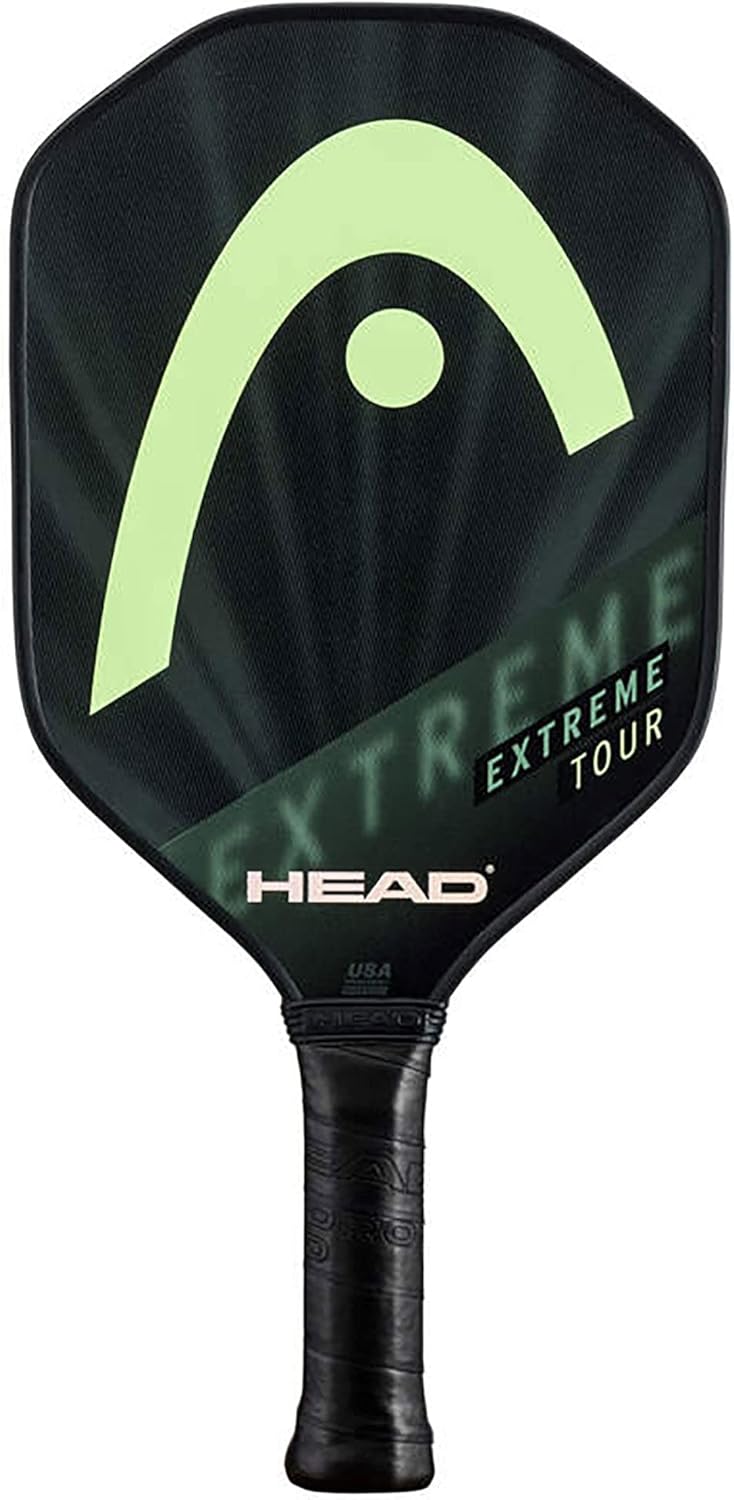
Pros
- Quick, lightweight design for fast kitchen exchanges and volleys.
- Optimized Tubular Construction delivers crisp feel and touch.
- Extreme Spin surface provides good bite for spin‑loaded shots.
- Diamond shape enhances maneuverability and response time.
- Comfortable grip for precise dinking and control.
Cons
- Limited power compared to head‑heavy paddles.
- May feel too light for baseline bangers.
- Adjustment needed for the aerodynamic shape.
The Head Extreme Tour features a honeycomb polypropylene core with Optimized Tubular Construction (OTC) and graphite hitting surface for outstanding feel and playability. The diamond shape and 7.6 oz lightweight build reduce air resistance, making it quick at the net, while the Extreme Spin technology adds grip for topspin and slice. Reviewers highlight its control and speed, noting it excels for players who prioritize quick reactions and precision over raw power.
You should buy this paddle if you want speed and control for net play. It suits intermediate players focusing on quick hands and spin, letting you react faster to volleys and dinks. You’ll dominate kitchen battles with its responsive feel.

Pros
- Carbon Grip Surface generates exceptional spin on drives and serves.
- Response Polymer Core reduces vibration for better feel.
- Aero‑Curve design boosts swing speed and power.
- Large sweet spot maintains control on off‑center hits.
- 5.5" elongated grip supports two‑handed backhands.
Cons
- Slightly top‑heavy feel can slow quick flips.
- Premium price for spin‑focused paddle.
The Hyperion CGS uses CGS (Carbon‑Grip‑Surface) technology for potent spin and a Response Polymer Core for power and reduced vibration. The Aero‑Curve head and Edge Guard enhance speed and durability, while the 16mm core provides a large sweet spot for consistency. Testers praise its spin potential (1600–1700 RPMs) and upgrade potential for intermediates seeking pro‑level bite.
You should buy this paddle if spin shapes your intermediate game. It grips balls for dipping drives and serves, with control for resets. You’ll shape rallies like pros with its aero design.

Pros
- Versatile widebody shape for kitchen and baseline play.
- Forgiving sweet spot keeps rallies going.
- Graphite face offers good control and moderate spin.
- Lightweight and durable for frequent use.
- Classic design familiar to club players.
Cons
- Wide face can feel bulky for quick flips.
- Moderate power compared to thermoformed paddles.
The ONIX Graphite MOD Z5 features a nomex core and graphite face for soft control and a wide 8.3" sweet spot that forgives mishits. The 7.5–8.2 oz weight and modded edges provide stability for all‑court shots, from dinks to drives. It’s a staple for intermediates seeking reliable versatility.
The ONIX Graphite MOD Z5 features a nomex core and graphite face for soft control and a wide 8.3" sweet spot that forgives mishits. The 7.5–8.2 oz weight and modded edges provide stability for all‑court shots, from dinks to drives. It’s a staple for intermediates seeking reliable versatility.

Pros
- Raw T700 carbon unleashes explosive power on drives.
- Hybrid shape balances plow‑through and sweet spot.
- Strong spin for heavy topspin shots.
- Unibody construction enhances durability.
- Responsive for aggressive play.
Cons
- Head‑heavy fatigues long sessions.
- Premium pricing for power focus.
The CRBN 2X uses a 16mm X5 core and raw T700 carbon face for power and spin, with hybrid shape for reach and forgiveness. It excels in baseline bombs and overheads for power intermediates.
You should buy this paddle if power dominates your style. It crushes drives with spin control. You’ll overpower from baseline.

Pros
- Rev‑Hybrid core offers plush control and forgiveness.
- SpinFlex surface adds spin without overpowering.
- Hybrid shape provides reach and maneuverability.
- Lightweight for quick kitchen reactions.
- Comfortable for extended play.
Cons
- Less crisp than stiff carbon paddles.
- Moderate power for aggressive styles.
The SLK Evo uses 13mm Rev‑Hybrid polymer core and C7‑Flex fiberglass for soft, forgiving control with SpinFlex for spin. The EdgeSentry guard and hybrid shape suit intermediates seeking touch.
You should buy this paddle if control refines your game. It excels in dinks and resets with spin. You’ll command soft play.
Finding the Right Paddle as an Intermediate Player
Moving into the realm of intermediate pickleball play signifies that you’ve developed a solid grasp of the game, including familiarity with the rules and consistency in executing fundamental shots. This stage is also characterized by a budding sense of strategy as players begin to understand the importance of positioning, shot selection, and overall game dynamics. Upgrading from a beginner paddle is not just a matter of preference; it is essential for enhancing performance and encouraging further skill development.

Transitioning from a beginner paddle, which often lacks responsiveness and precision, to a paddle that offers more advanced features can drastically improve your game. Intermediate players should prioritize paddles that allow for aggressive shots while still maintaining finesse, accommodating various playing styles from power hitters to those who prefer control and placement. With numerous options available, researching and identifying the specific features that resonate with your playing style is crucial.
As you begin this search, you may encounter a variety of paddles with differing materials, weights, and technical specifications. Understanding your needs and the characteristics that make a paddle suitable for your level of play will guide you toward making an informed decision. Our goal here is to provide precise recommendations along with information on essential factors to consider when choosing your next paddle, ensuring you find the perfect fit to elevate your pickleball experience.
Once you have moved past the basics, you can explore our comprehensive master list of the best pickleball paddles to see how intermediate-level gear stacks up against professional-grade equipment.
Understanding the Needs of an Intermediate Pickleball Player
The journey from beginner to intermediate in pickleball is marked by several key transitions in skill and understanding. At the intermediate level, players generally have the following characteristics:
- Consistency: You can hit accurate forehands, backhands, volleys, and overheads with increasing reliability, translating to fewer errors during play.
- Developing Power and Control: You start to generate more power in your shots while also improving your ability to control the ball’s placement.
- Strategic Play: A fundamental understanding of basic strategies comes into play, including when to attack and when to defend. You begin to implement these strategies during matches.
- Reduced Unforced Errors: The focus on maintaining consistency leads to a reduction in unforced errors as you manage shot selection and risk more effectively.
- Improved Serving Skills: Serving skills are enhanced as you learn to incorporate spin and varying speeds, making your serves more challenging for opponents.
Understanding your unique playing style is critical during this phase as different players will evolve in distinct ways. Some might gravitate toward a more control-oriented game, preferring paddles that offer precision, while others may adopt a more aggressive, power-based strategy. The choice of paddle must take into account these developing preferences, which not only reflect your current capabilities but also your potential growth areas.

Common playing styles include:
- Control-oriented Players: These players focus on shot placement, accuracy, and finesse. They need paddles that provide touch and gentle feedback.
- Power-oriented Players: Aimed at generating strong, aggressive shots, these players benefit from paddles that balance power and reaction time.
- All-rounded Players: This approach combines both control and power elements; finding a paddle that caters to both areas is essential.
If you’re still refining your fundamentals, you might find our guide on the best pickleball paddles for beginners useful for comparison, while those nearing a 4.5+ skill level should look into the best pickleball paddles for advanced players.
Key Factors to Consider When Choosing an Intermediate Pickleball Paddle
Having recognized the unique needs of intermediate players, let’s delve into the critical factors when selecting the right paddle. Every element of paddle construction influences how it will perform on the court, ultimately impacting your game.
Weight
The weight of a pickleball paddle plays a significant role in performance, typically falling within a range of 7.0 to 8.5 oz for intermediate players. Selecting the right weight depends on your style of play and comfort level.

- Benefits of Mid-weight Paddles (7.5-8.5 oz):
- Balance of Control and Power: This weight range typically offers a good balance, allowing for both powerful striking and consistent control.
- Swing Speed: A mid-weight paddle enables quicker swing speeds, providing agility without sacrificing stability.
- Fatigue Management: Heavier paddles may lead to quicker fatigue during extended games, while lighter paddles may not generate the necessary power.
Ultimately, the ideal weight should correspond to your physical capabilities and game strategy.
Grip Size and Length
Grip size and length are often overlooked but are vital for comfort and control during play. The recommended circumference for intermediate players usually falls between 4.0 to 4.5 inches. Here’s why grip dimensions matter:

- Comfort: An appropriately sized grip allows better control and less strain during play. A grip that is too large may lead to decreased hand sensitivity, and one that is too small can result in a lack of control.
- Impact on Shot Selection: The length of your grip can affect your two-handed backhands. Longer grips enable more comfortable two-handed shots, while shorter grips are better for finesse plays.
Choosing a grip that feels natural in your hand ultimately aids in shot accuracy, reducing unwanted slips.
Paddle Face Material
Paddle face materials significantly influence your overall game performance, with common materials including:
- Graphite: Lightweight and providing excellent control and spin, ideal for players focused on touch and placement.
- Fiberglass: Offers power and durability, often at a more affordable price point. It helps create a larger sweet spot for forgiving shots.
- Composite: These paddles combine the benefits of both graphite and fiberglass, delivering balance and versatility.

If you’re torn between different surfaces, check out our comparison of carbon fiber vs fiberglass pickleball paddles to find the right balance of pop and control.
Core Material and Thickness
The core of the paddle has a significant impact on its playability, primarily affecting touch and control. Common core materials include:
- Polymer Honeycomb: Provides a softer feel, excellent for control and reducing vibrations on impact, making it favorable for precision shots.
- Nomex: Offers excellent durability and a bit more pop for powerful shots, beneficial for aggressive players.

The thickness of the core also matters:
- Standard Thickness (13mm to 16mm): Thicker cores typically offer greater control, while thinner cores provide more speed and power.
Core thickness becomes a vital consideration as you improve. See why many consistent players prefer the best 16mm pickleball paddles for better vibration dampening.
Paddle Shape and Size
The shape of the paddle impacts maneuverability and playability. Standard shapes provide precision, whereas elongated paddles offer extra reach.
Considerations such as width also come into play. Wider paddles offer a larger sweet spot, making them more forgiving on off-center hits.

Balance
The balance of a pickleball paddle affects its maneuverability during play. There are generally three types of balance:
- Head-Heavy: Provides more power for aggressive shots but can be challenging for quick reactions.
- Head-Light: Offers enhanced maneuverability, favoring players who rely on touch and quick strokes.
- Even Balanced: A compromise between power and control, suitable for most intermediate players.
Finding the right balance is crucial for optimizing performance, especially during fast exchanges and quick decision-making moments on the court.
Sweet Spot Size
The sweet spot of a paddle refers to the area on the face where the ball will connect optimally for the best shot results. A larger sweet spot means more forgiveness on off-center hits, which is particularly beneficial for intermediate players still refining their accuracy.

Improving your contact accuracy will provide more consistent shot performance as you advance your skills.
Spin Potential
Generating spin is crucial for adding variety and complexity to your shots. The texture of a paddle face plays a significant role in aiding spin.
- Textured Surfaces: Paddles that incorporate rough surfaces, such as those made from carbon fiber, enhance the ability to grip the ball effectively empowering shots with topspin and slice.
- Control with Spin: Spin allows for controlling the ball’s trajectory, making it difficult for opponents to anticipate and return shots effectively.
At this stage, players usually develop a specific style. Depending on your game, you may want to focus on the best pickleball paddles for spin or the best pickleball paddles for power.
Durability
Durability is a vital consideration, especially for intermediate players who are likely to use their paddles frequently. Factors include build quality, material selection, and the construction of the core:
- Graphite and Composite Materials: Typically offer superior durability compared to wood.
- Polymer Honeycomb Cores: Not only provide excellent performance but also contribute to paddle longevity, as they resist wear and tear effectively.
Selecting a paddle built with durable materials ensures your investment in equipment will hold up to the endurance of frequent play, positively contributing to your experience.
Price/Budget
When considering price, it is essential to balance your budget with the performance capabilities of the paddle you choose. Intermediate paddles generally range from $50 to $250, with quality options available across various price points.
Many intermediate players look for high performance without the pro-level price tag; don’t miss our curated list of the best pickleball paddles under $150
How to Choose the Right Pickleball Paddle for Your Intermediate Playstyle
Choosing the right pickleball paddle is not solely about specifications, but it also hinges on your personal playstyle and preferences. Here are some guiding questions to consider as you make your decision:
- What’s Your Most Important Factor?: Do you favor control and finesse in your shots, or are you more inclined toward power and aggressive play?
- Transitioning Players: Are you moving from tennis and seeking a specific paddle feel that reflects your previous experience?
- Playing Style: How frequently do you utilize a two-handed backhand? This will help determine grip length needed for optimal handling.
- Budget Constraints: What is your spending limit for purchasing a paddle?
- Improvement Goals: Are you looking to enhance spin shots specifically, or are you concentrating on strengthening your overall game strategy?
Choosing the right technical specs is key at this stage; our deep dive into 14mm vs 16mm pickleball paddles explains how core thickness affects your soft game.
Tips for Intermediate Players to Maximize Paddle Performance
For intermediate players, maximizing paddle performance hinges on several techniques and practices that can significantly improve gameplay. Here are some suggestions:
- Proper Grip Technique: Make sure to use the correct grip style that aligns with your playing preferences. Regularly reassess your grip size and shape to ensure a comfortable hold during play.
- Diverse Shot Techniques: Develop various shot techniques with your chosen paddle, including dinks, drives, and drop shots, to keep opponents guessing and maintain an edge.
- Understanding Paddle Features: Gain a deeper understanding of how your paddle’s weight, material, and core type influence your shot quality and adjust play accordingly. For instance, experiment with swing speed and follow-through techniques to optimize shot outcomes.
- Paddle Care: Properly maintain your pickleball paddle by cleaning it after play and storing it in a protective case, which prolongs its life and performance.
- Consider Upgrading: Be mindful of how your skills evolve. Knowing when to transition to a more advanced paddle based on your regular playing experiences is crucial for continued improvement.
To help you break through to the next level, we’ve put together a dedicated guide on pickleball tips for intermediate players.
Conclusion
Choosing the right pickleball paddle can profoundly impact your experience as an intermediate player. Prioritizing your individual needs and preferred playing style will enable you to find a paddle that enhances your performance and elevates your gameplay. Remember to consider critical factors such as weight, grip size, material, and core type to ensure your paddle is tailored to your specific requirements.
Investing time in research and, if possible, trying out different paddles will pay dividends, helping you to navigate various playing styles while developing additional skills. As you continue to fine-tune your technique and strategy, the right paddle will not only support your current skillset but also facilitate future improvements. With the insights and recommendations provided, take the leap to find your ideal paddle and level up your game in pickleball!
Frequently Asked Questions (FAQs)
What is the typical USAPA rating for an intermediate player?
The typical USAPA rating for an intermediate player falls between 3.5 and 4.0. Players in this range generally demonstrate consistency during play, maintaining a moderate number of unforced errors while conveying strong knowledge of rules, strategies, and various strokes.
Intermediate play is all about consistency. Master your resets by understanding what is a dink in pickleball and practicing specific pickleball dinking drills.
Should intermediate players use a lightweight or heavier paddle?
Lightweight paddles (typically 7–7.5 ounces) enhance agility and control, making it easier to execute quick movements and touch shots. Heavier paddles (8.5-10 ounces) may provide extra power but can reduce maneuverability. Ultimately, the choice should align with personal comfort, playing style, and skill level.
What paddle face material is generally best for intermediate players?
Graphite and carbon fiber face materials are often preferred, as they strike an ideal balance, offering control, touch, and spin. Graphite paddles provide a lightweight feel enhancing precision, while carbon fiber allows for greater spin generation, aiding aggressive players.
Is an elongated or wider paddle better for intermediate pickleball players?
Elongated paddles provide added reach and increased power, whereas wider paddles deliver larger sweet spots, offering better forgiveness on off-center hits. Ultimately, the choice depends on whether a player prioritizes power and reach or control and precision.
How can intermediate players generate more spin?
Intermediate players can generate spin by using paddles with textured surfaces, which enhance grip on the ball, facilitating topspin and slice shots. They should also focus on proper grip techniques, utilizing more wrist motion during their swings to elevate spin levels.
When should an intermediate player consider upgrading their paddle again?
Consider upgrading your paddle when you notice skill improvements, signs of wear and tear on your current paddle, shifts in your playing style, or increased competitiveness in matches. An upgrade can enhance your ability to keep up with evolving gameplay and help you reach the next level.

Write Your Review
No reviews yet. Be the first to share your experience!