

Getting kids into pickleball is easy – keeping them excited is where the right gear makes all the difference. A paddle that’s too heavy, too long, or too stiff can turn a fun afternoon on the court into a frustrating experience that sends them straight back to their screens. The best pickleball paddles for kids are purpose-built for smaller hands, shorter arms, and developing technique — lightweight enough to swing freely, durable enough to survive beginner mishaps, and fun enough to make them beg for one more game.

Top 7 Best Pickleball Paddles for Kids of 2026
The search for the top pickleball paddles involves examining various attributes to ensure a good match. Considering factors such as weight, grip size, and material leads to a comfortable choice that fosters skill development. Let’s look at some top paddle recommendations tailored for young players that embody these qualities and offer great value.

Pros
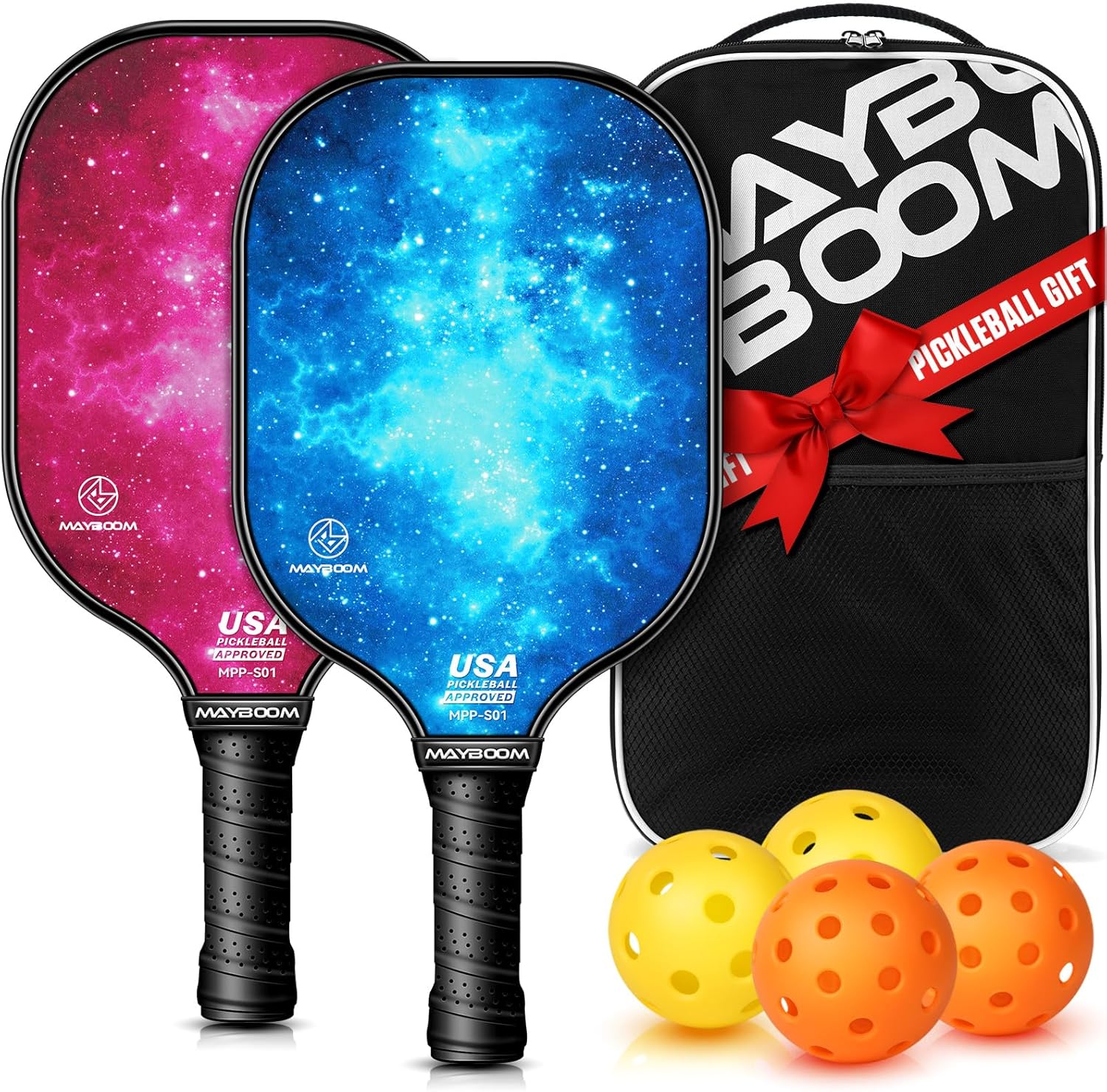
- Set of 4 lightweight fiberglass paddles (8 oz) with PP honeycomb core for quiet, forgiving play.
- Includes 4 balls, overgrips, bag - perfect family starter kit, USAPA-sized sweet spot.
- Cushioned anti-slip grips fit small hands, reducing mishits for ages 8+.
Cons
- Paddles slightly heavier than ultra-juniors.
- Fiberglass wears faster than graphite long-term.


Pros
- 7.8 oz fiberglass graphite with Response Polymer core for power/control minus fatigue.
- Feel-Tec grip suits juniors/adults, camo designs excite young players.
- Vibration-minimizing honeycomb enhances comfort for long intro sessions.
Cons
- Grip small for growing teens.
- Less spin than textured pros.

Pros
- Affordable 4-pack graphite (under 7 oz) with bags/balls, 4.5+ stars value.
- Small grips/large sweet spots forgive beginner errors for group play.
- Durable composite cores handle rough kid use.
Cons
- Basic designs lack flash.
- Grips need frequent retaping.


Key factors to consider when choosing the best pickleball paddles for kid
Choosing the perfect paddle for a young pickleball enthusiast is more than just picking one off the shelf. Numerous factors like weight, grip size, and material matter. These elements are pivotal in shaping a child’s ability to maneuver the paddle efficiently. Ensuring the paddle suits their physical build and skill level promotes better play, minimizes fatigue, and ultimately aids in their enjoyment of the game. The subsequent sections will delve deeper into these aspects, providing insight into what you should really focus on.
Weight
When it comes to selecting a pickleball paddle for kids, the first thing that needs consideration is the paddle’s weight. The weight directly affects a child’s ability to swing and control the paddle. Heavier paddles can be unwieldy for children, leading to fatigue and even injuries.

- Lightweight Advantage: For young players, it’s recommended to opt for paddles weighing between 6 to 7.5 ounces. This weight category ensures that the paddle is light enough for children to swing with ease while maintaining enough heft to provide power during hits.
- Balance of Control and Power: In the realm of lightweight paddles, finding the sweet spot between control and power is key. A paddle that is too light might not give the necessary power, while a slightly heavier paddle within the lightweight range can help in returning strong shots without compromising on control.
- Material Contribution: The materials used often influence weight. For instance, paddles with polymer cores or composite materials tend to be on the lighter side. These compounds ensure that the paddle remains durable while being manageable for younger players.
- Benefit for Beginners: Lightweight paddles are especially beneficial for beginners who are still mastering their swing technique. Using light paddles, children can focus on form, endurance, and skills improvement without worrying about the paddle’s heft hindering their game.
Weight is the most important factor for junior players; check our guide on how to choose a pickleball paddle to avoid gear that’s too heavy for their wrists.
Grip Size
Grip size is another crucial factor to consider when selecting a pickleball paddle for kids. Getting the grip size right ensures that children can hold onto the paddle steadily, without straining their wrists or losing control during play.

- Perfect Fit: For children, a grip size of approximately 4 inches in circumference is typically recommended. This size tends to fit younger players’ smaller hands comfortably, allowing for a secure and firm grip.
- Control and Comfort: A well-sized grip promotes comfort and control, two aspects that are pivotal when young players are still learning to control the ball and maneuver the paddle effectively. It ensures that the child won’t over-grip or grip too loosely, which can lead to slips and arm fatigue.
- Adjustable Grips: Some paddles come with customizable grip sizes, allowing adjustments to suit different hand sizes. This flexibility can be a boon for growing children, who might need a slightly larger grip as they age.
- Avoiding Injuries: Proper grip sizes can help prevent wrist injuries. A paddle that’s too large will require more strength to maneuver, potentially straining a young player’s wrist and arm muscles.
Since children have smaller hands, it’s crucial to choose a model from our list of the best small grip pickleball paddles to ensure they can hold the paddle securely.
Paddle Size and Shape
The size and shape of a pickleball paddle can significantly influence a child’s gameplay and enjoyment. These elements determine the paddle’s reach, power zones, and forgiveness on off-center hits.

- Wide vs. Elongated: Standard or wide-body paddles are ideal for kids as they offer a larger sweet spot, providing forgiveness and ease for players still mastering their precision. Elongated paddles, while offering more reach, can be less forgiving and harder to control for younger players.
- Proportionate Size: The overall length and width should suit the child’s height and arm length. Ensuring the paddle proportions are right helps the child manage shots without exerting unnecessary effort, aiding both skill development and comfort.
- Optimizing Play: A child-sized paddle often strikes the right balance between power potential and agility. With these paddles, children can focus on learning technique rather than compensating for cumbersome equipment.
- Beginner Friendliness: For beginners, a paddle that is wider provides an expanded sweet spot, reducing errors and boosting confidence. When children are not constantly worried about missing shots, they can focus on skill improvement and enjoying the game.
Paddle Material
Material choice in a pickleball paddle is not just about durability; it greatly affects the performance and feel of the paddle. Here’s what to keep in mind when choosing the material for a child’s paddle.

- Polymer Cores: For young players, paddles with polymer honeycomb cores are often optimal. They provide a soft feel, which is easier on younger wrists and offers a balance of power and control essential for developing skills.
- Composite Construction: These paddles combine different materials like fiberglass and carbon fiber, offering a middle ground between the heavier wood paddles and the high-end graphite options. Their lightweight structure is easier for kids to manage while retaining durability.
- Durability vs. Cost: Material influences not just performance but cost. Composite materials can be more affordable than graphite while still providing good performance and durability. For children new to the game, starting with a composite paddle is a wise and economical choice.
- Advanced Materials: More advanced materials, like carbon fiber, can be an option for older children transitioning into competitive play. These materials provide superior control and touch, but may not be necessary or cost-effective for very young or new players.
Design and Appearance
Paddles designed for children often incorporate fun and colorful designs, adding an element of enjoyment to the game. While performance and comfort of the paddle are paramount, the appearance shouldn’t be overlooked.
- Child-appealing Designs: Vibrant colors and playful graphics can increase a child’s eagerness to play. Paddles that feature favorite characters or bright colors are more likely to appeal to a young player’s taste and encourage them to pick up the game regularly.
- Personal Style: Allowing kids to choose a paddle based on its design can give them a sense of ownership and pride in their equipment, which can translate into more enthusiasm on the court.
- Attractive Branding: Established brands often feature famous players or recognizable logos on their paddles, which can be motivational for aspiring players who look up to these athletic icons.
- Complementary Gear: Matching accessories, like color-coordinated paddles and grips, add to the fun. This holistic approach to sporting goods can inspire kids to engage in more frequent play when they feel connected to their gear.
Budget
Budget plays a significant role in determining which pickleball paddle to purchase, especially when considering that children’s interests may change over time.
- Entry-Level Costs: For beginners, more affordable options are available that do not compromise on fundamental aspects such as weight and grip size. Budget-friendly paddles are perfect for initial learning and when the child is just exploring the sport.
- Value Packages: Many budget options come in sets that include multiple paddles and balls, providing great value for family play or when trying out the sport in groups.
- Investment vs. Interest: Parents must weigh the cost against the level of interest their child has in pickleball. While purchasing high-end paddles might not be cost-effective for an uncertain interest, spending a small amount on a quality starter paddle can be a good balance.
- Durability: It’s important to consider durability within budget paddles. Opting for a paddle with durable materials ensures longer usage and an extended learning period without needing regular replacements.
Because kids may outgrow their gear quickly, many parents start with our recommendations for the best cheap pickleball paddles or even best wooden pickleball paddles for backyard play
Intended Play Frequency and Skill Level
The frequency of play and the skill level of the child greatly inform the choice of a pickleball paddle.
- Casual vs. Frequent Play: For children who only play occasionally, a basic, budget-friendly paddle will suffice. These paddles offer the essential features necessary for enjoyment without a significant investment.
- Developing Skills: For those more committed to the sport, investing in a paddle designed for skill development can be beneficial. These are typically made with higher-quality materials that enhance control and precision.
- Skill-Based Choices: A child’s current skill level should guide the paddle choice. Beginners benefit from paddles with an extended sweet spot and lighter weight, while intermediates might desire more advanced materials that allow for nuanced gameplay.
- Progressive Investment: As kids improve, transitioning them to more advanced paddles can sustain their interest and skill growth, allowing them to tackle more complex aspects of the game and perhaps compete in organized play.
If your child is brand new to the sport, start by explaining what is pickleball and its simple, family-friendly nature.
USAPA Approval
USAPA (USA Pickleball Association) approval is essential for many aspiring young players, especially those interested in competitive play.
- Competitive Standards: A USAPA-approved paddle assures compliance with standards for competitive play. This certification is crucial for children who may compete in tournaments or organized leagues.
- Quality Assurance: The certification offers parents reassurance that the paddle meets recognized quality and performance criteria in terms of construction and playability.
- Future-Proofing: Choosing an approved paddle prepares children for organized play if their interest extends beyond casual games, ensuring they won’t need an equipment upgrade when joining a league.
- Focus on Play: Knowing the paddle is certified can give young athletes confidence, allowing them to focus on improving their game rather than second-guessing their gear choice.
- Strategic Design: Features like spin-friendly faces and a 4-inch grip size foster skill development in control and technique, encouraging young players to refine their game.
If you’re looking to get the whole family involved, consider a best starter pickleball paddle set which often includes everything you need for a driveway match.
Considering the transition to adult paddles
When contemplating the transition from kids’ to adult paddles, several factors come into play. Transitioning wisely ensures a smooth adaptation without compromising performance or increasing health risks.
- Appropriate Timing: This shift should be driven by the child’s growth in physical stature and skill level. An adult paddle’s larger size is manageable if the child’s grip matches adult parameters – notably, a grip size average of 4¼ inches.
- Weight and Material Adjustments: Adult paddles are heavier, which might initially be inconvenient but are essential for developing greater power. Encouraging young athletes to adjust to this weight when age-appropriate promotes enhanced strength and control.
- Skill Compatibility: Kids comfortable and proficient with a child’s paddle might be ready for adult paddles when they require greater reach and power while maintaining control, characteristics found in adult-sized paddles.
- Economic Consideration: Investing in an adult paddle may initially seem costly but offers longevity with the growth of the child’s playing style and seriousness toward competitive play.
- Gradual Transition: Employing a phased approach can help. Start utilizing adult paddles in practice to acclimate to the new weight and size before using them in games, ensuring the change feels natural and advantageous.
For teenagers or older kids with a sports background, the best pickleball paddles for beginners might offer a more long-term solution.
Safety, maintenance, and care for kids’ pickleball paddles
Transitioning to adult paddles entails a need for awareness regarding safety and proper maintenance, as the equipment tends to have specific care requirements due to varied materials and designs.
- Ensure Safety First: Always focus on making sure the paddle fits the child properly and enhances safe play. This prevents injuries and promotes a healthy sporting environment.
- Supportive Maintenance: Essential for paddle longevity, maintaining equipment translates into consistent performance. Techniques such as cleaning after each use and proper storage practice prevent premature wear and tear.
- Routine Checking: Regular inspection for any signs of damage, like cracks or grip issues, ensures swift correction; this foundational care secures both the safety and performance of the paddles over time.
Safety Considerations
Safety is an imperative aspect of pickleball that shouldn’t be taken lightly, particularly for young players. Ensuring the chosen paddle adheres to safety standards is key.
- Proper Size and Fit: Selecting paddles in accordance with a child’s grip size and playing capabilities prevents strain-related injuries avoiding unnecessary discomfort.
- Safety Gear: Encourage kids to wear protective gear such as wrist guards and proper shoes; this extra measure can also aid in safeguarding against various on-court mishaps.
- Paddle Condition: Keep paddles in top condition by regularly checking for chips or cracks. Playing with damaged paddles can lead to serious accidents if untreated.
- Skill-appropriate Play: Ensure the child’s play matches their skill level; starting with basic techniques before advancing supports safety by minimizing overexertion or risky play attempts.
Maintenance and Care
Consistent maintenance and care of paddles ensure they remain functional and efficient for young players.
- Regular Cleaning: After every use, paddles should be wiped clean with mild soap and a soft cloth to eradicate grime and sweat that accumulates during gameplay.
- Appropriate Storage: Store paddles in a cool, dry place away from extreme heat or humidity. This process prevents warping and material degradation ensuring a longer lifespan.
- Protection: Encourage using paddle covers, which shield them from scratches or accidental impacts during transit and when not in use.
- Periodic Checkup: Every so often, inspect paddles closely for signs of wear or damage, replacing any elements such as worn grips, ensuring consistent performance.
Conclusion
In the world of pickleball, selecting the right paddle for kids is a cornerstone to nurturing their love for the game. By prioritizing factors such as weight, grip size, and material, parents can provide their children with the best opportunity to enjoy the sport while developing their skills effectively. Additionally, embracing design elements and budget considerations ensures that a child’s interest is maintained and their progression supported. As they grow, transitioning to adult paddles becomes seamless, supported by safety practices and diligent maintenance routines. Ultimately, this informed choice fosters an enduring connection to pickleball, setting the stage for both enjoyment and achievement within the sport.
FAQs
Having navigated through various aspects of selecting a pickleball paddle, understanding common queries can further refine the decision-making process, ensuring informed and precise choices.
Can my child just use my old adult pickleball paddle?
While it might be tempting to allow your child to use your old adult pickleball paddle, it may not be the best option for nurturing their skills. Adult paddles have grips designed for larger hands, usually averaging a circumference of around 4¼ inches. On the contrary, kids are better suited with junior paddles that offer smaller grips, commonly around 3.5 to 4 inches, which fit their hands better and encourage proper control and technique. Using an adult paddle can hinder their performance and possibly discourage their enjoyment of the sport due to its unsuitable grip size and increased weight, which aren’t ideal for their developing muscles.
What is a typical “junior grip” size?
A “junior grip” size is tailored to fit the smaller hands of young players. Generally, it is designed to be between 3.5 to 4 inches in circumference. This size allows children to hold the paddle firmly and comfortably without strains. Maintaining this grip size ensures optimal control of the paddle, which is essential for developing consistency and confidence in their gameplay. It’s a significant departure from adult grips, which start at 4 inches and can reach up to 4¾ inches for larger hands. Picking a paddle with a junior grip enables young players to develop and refine their technique effectively, avoiding the pitfalls of struggling with an oversized handle.
What are the 3 most important things to look for in a paddle for a young child (under 10)?
When choosing a pickleball paddle for a young child, focus on the following essential elements:
- Weight: Light paddles, which range between 6 to 8 ounces, are recommended. They provide ease of use and reduce the risk of arm fatigue, enabling children to focus on learning proper techniques without overexertion.
- Grip Size: Comfort and control are paramount. A grip size of around 3.5 to 4 inches serves young players well, allowing for a secure hold, which is crucial for developing skills and preventing slips.
- Material: Opt for materials that balance durability and ease of play. While wood paddles are budget-friendly, composite or lightweight polymer paddles are recommended as skill levels advance. They afford more manageable handling and a larger sweet spot, favorable for skill progression.
Are wood paddles okay for kids to start with?
Wood paddles can indeed serve as a starting point for young players introducing themselves to pickleball. They are generally budget-friendly and provide a robust introduction to paddle handling, allowing kids to make initial contact with the sport without a significant financial outlay. However, due to their weight often greater than lighter composite options wood paddles might be challenging for prolonged use and sophisticated play. Transitioning to lighter composite paddles as children progress will enhance their playability and enjoyment, reducing the physical demands wood paddles impose while fostering better technique and responsiveness.



Write Your Review
No reviews yet. Be the first to share your experience!