

Women’s pickleball is growing faster than ever – and the gear is finally catching up. Gone are the days of settling for a unisex paddle that feels too heavy, too stiff, or just plain wrong in your hand. The best pickleball paddles for women are designed with lighter weight, refined grip size, and a balance that lets your technique shine rather than fight against your equipment. Whether you’re new to the court or training to compete, the right women’s pickleball paddle can transform the way you play.
Top 9 Best Pickleball Paddles for Women of 2026

Pros
- Kevlar 1670 + T700 carbon hybrid surface delivers balanced power and control with a forgiving sweet spot.
- Thermoformed unibody construction provides stability and pop for all-court play, USAPA approved for tournaments.
- Includes extras like paddle cover, cleaner, and grip tape, enhancing value for beginners to intermediates.
Cons
- Slightly stiffer feel requires adjustment for pure soft-touch players.
- Grip may loosen faster with heavy sweat during long sessions.
Pros
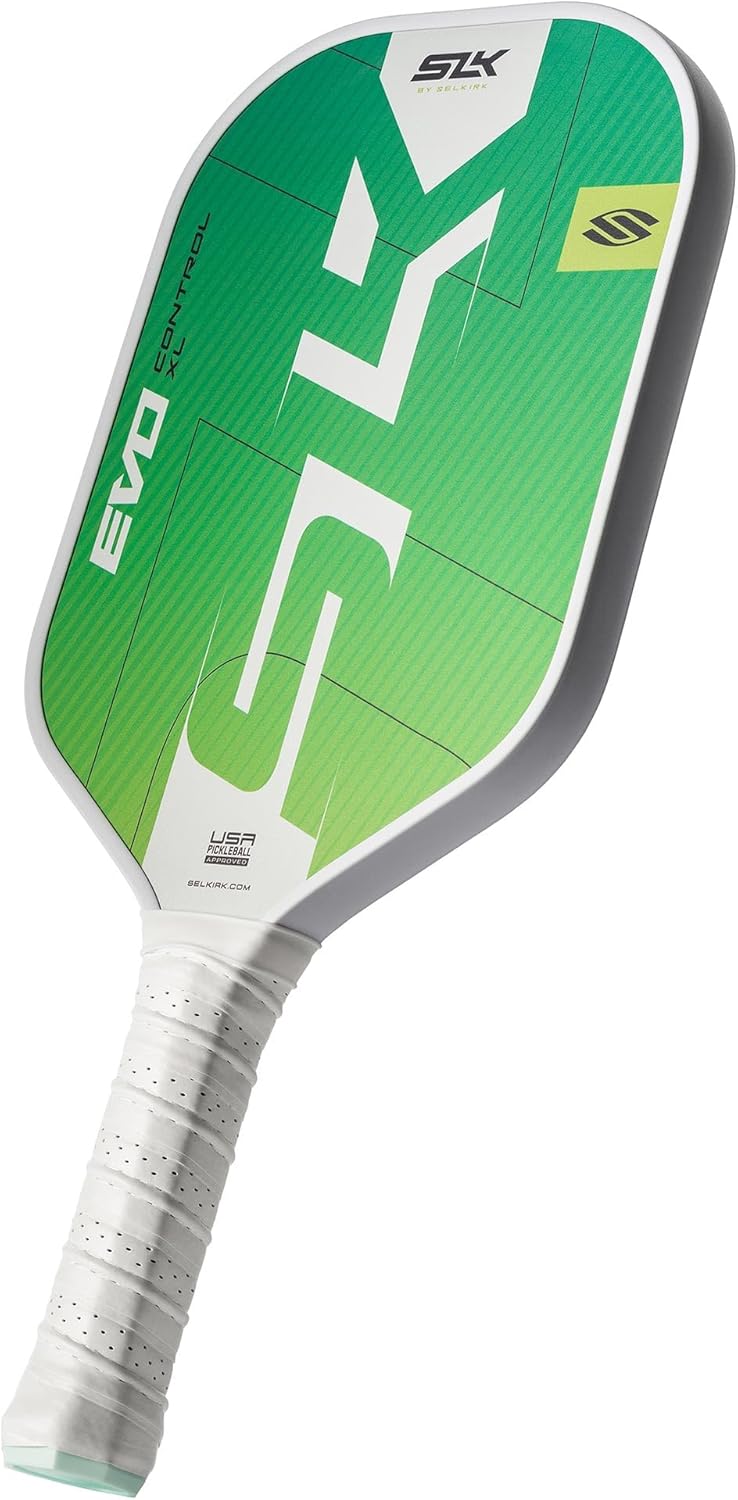
- G8-Flex Control Carbon Fiber face and 16mm Rev-Core polymer core create a massive sweet spot for resets and blocks.
- SpinFlex surface ensures consistent touch and low-powered shots, ideal for kitchen-line precision.
- EdgeSentry guard adds durability without extra weight, priced around $100 for great value.
Cons
- Less explosive power than thermoformed rivals, suiting control-focused players only.
- Wider face demands swing adjustment for baseline aggression.

Pros
- Polymer core and textured face generate exceptional spin on serves, drops, and slices.
- Middleweight (7.7-8.4 oz) design balances power with finesse, quieter on impact for stealthy play.
- Five-year "no dead spot" guarantee ensures long-term performance, rated highly for touch.
Cons
- Smaller sweet spot punishes poor technique more than wider paddles.
- Grip tack fades quicker under heavy use without overgrips.

Pros
- Carbon friction surface and responsive core unleash explosive pop for drives and putaways.
- Endorsed by pro Ben Johns, it offers elite power with enough touch for kitchen volleys.
- Lightweight build (under 8 oz) maintains maneuverability despite high energy return.
Cons
- Stiffer feel transmits more vibration to the arm on mishits.
- Premium cost reflects pro specs, not ideal for casual use.
The Hyperion uses a 16mm polymer core with JOOLA’s Hyperfoam Edge Wall around the perimeter, which expands the sweet spot almost to the edges and keeps the paddle stable on off‑center hits. The textured Carbon Friction Surface on the face gives you plenty of spin without turning every shot into a wild overhit, while still packing enough power to finish points from the baseline. The 16.5" length and 8.0–8.6 oz weight make it a true all‑court paddle: fast enough for the kitchen and solid enough for drives and overheads.
You should buy this paddle if you want one high‑performance frame that can do almost everything. It supports soft dinks and precise resets while still letting you step back and hit strong, spin‑heavy drives. It’s ideal if you want to upgrade from mid‑level gear and get closer to the kind of technology top pros use without sacrificing comfort or versatility.

Pros
- Ultra-light (7.3-7.7 oz) QuadFlex 4-layer face enables quick swings and fast reactions.
- X5 polypropylene core absorbs shock for arm-friendly play, great for extended sessions.
- Spin-friendly texture adds bite without added weight, USAPA approved.
Cons
- Reduced plow-through on heavy balls compared to midweights.
- Less forgiveness on off-center power shots.

Pros
- T700 carbon fiber and honeycomb core offer pro spin/power under $80, 4.6+ stars average.
- Thermoformed edges boost durability and pop, forgiving for intermediates.
- Includes overgrip and cover, maximizing value for entry upgrades.
Cons
- Grip wears faster than premium brands.
- Texture dulls slightly after heavy use.
Pros
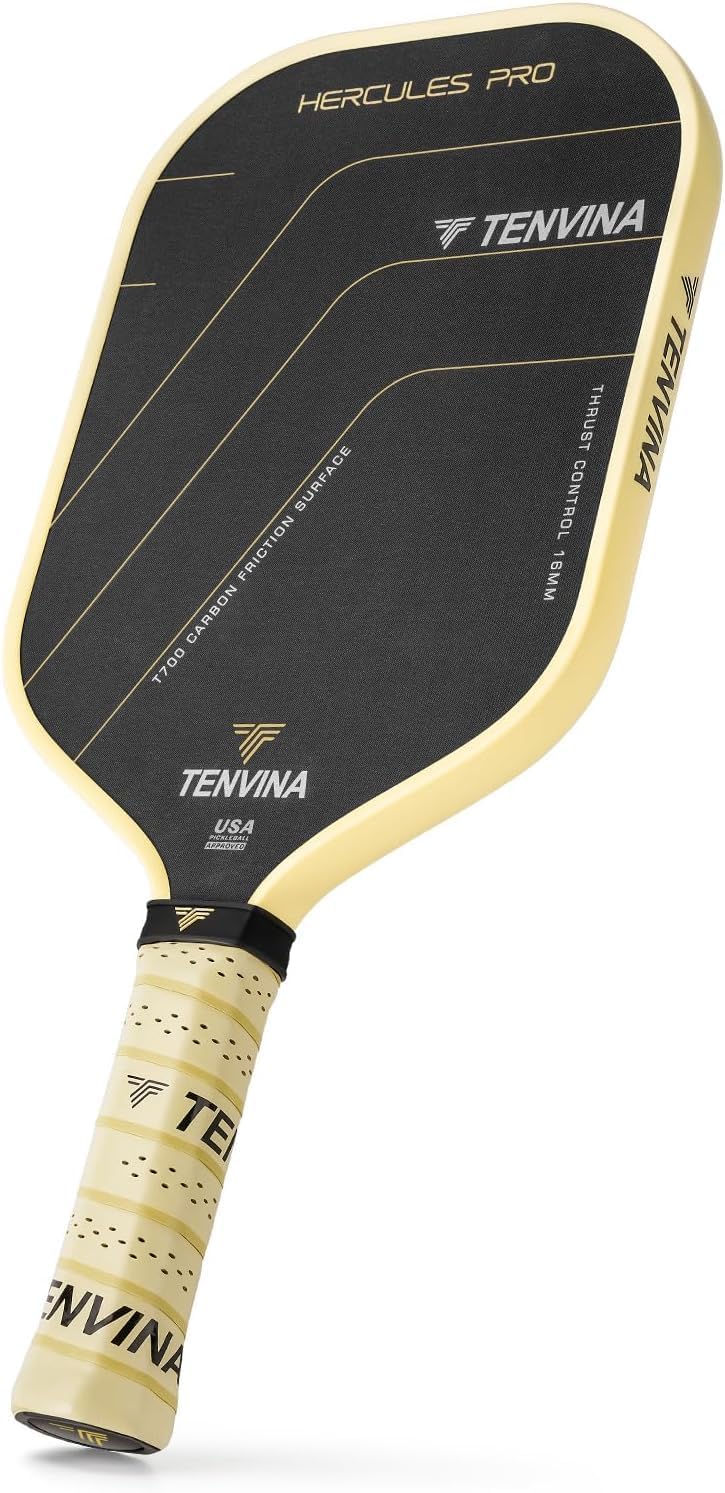
- T700 carbon fiber and honeycomb core offer pro spin/power under $80, 4.6+ stars average.
- Thermoformed edges boost durability and pop, forgiving for intermediates.
- Includes overgrip and cover, maximizing value for entry upgrades.
Cons
- Grip wears faster than premium brands.
- Texture dulls slightly after heavy use.
The Tenvina Hercules Pro is a thick, durable paddle built for frequent use on outdoor and indoor courts. The 16 mm core and carbon surface create a paddle that’s stable and forgiving, and the thermo‑formed construction keeps the ball on the face longer, giving you better control and feel. It’s a solid choice for players who want a paddle that can handle hard hits and long‑term wear.
You should buy this paddle if you seek high performance without premium spend. It punches above its price with explosive spin and control, rivaling $150+ models. You upgrade your game affordably, enjoying tournament-ready feel for daily practice.

Pros
- Graphite face and unibody core deliver even power/control across 16" length.
- Large sweet spot (8.1" wide) forgives mishits, 4.5+ stars for all-court versatility.
- Cushioned grip reduces shock, comfortable for mixed play styles.
Cons
- Moderate spin vs. raw carbon rivals.
- Edge guard adds minor weight.
The honeycomb core punches above its price with clean pop on drives, offering surprising consistency for budget players - many call it the “workhorse” for value power. Widebody graphite face and modded edges provide decent spin and protection, ensuring the paddle holds up under regular use without the fragility of cheaper composites. This setup is perfect for upgrading from beginner frames to something that feels substantial without premium cost.
You should buy this paddle if you switch between power drives and soft dinks seamlessly. It maintains balance everywhere on court, with a huge sweet spot for error-free rallies. You play confidently all game, blending offense and defense effortlessly.

Pros
- Reinforced carbon edges and poly core withstand abuse, lifetime warranty option.
- Consistent pop over time, no dead spots after months of play.
- Ergonomic handle fits various grips, 4.5+ stars for longevity.
Cons
- Firmer feel less plush than foam cores.
- Heavier average (8.2 oz) for some.
While this guide focuses on female-specific needs, you can also explore our master list of the best pickleball paddles to see the top-performing gear across all categories.
Why Choosing the Right Paddle Matters for Women Players
Every player knows that the right equipment can enhance their performance, confidence, and overall enjoyment of the game. This is especially true for women in pickleball, where selecting a suitable paddle plays a pivotal role in both skill development and competitive performance. Women often face unique challenges related to grip size, paddle weight, and overall comfort, making thoughtful selection essential. From managing fatigue during long matches to generating effective shots, the right paddle can provide a tailored experience that resonates with each player’s individual style and abilities.

The Rise of Women in Pickleball
The growth of women’s participation in pickleball has been remarkable, with female players now accounting for nearly 39.5% of all participants in the U.S. As the sport continues to expand, recent statistics show a 20% annual growth rate in women’s tournaments and participation.
Notable figures such as Anna Leigh Waters, a rising star in the tournament scene, exemplify the talent and determination present among female players. Other inspiring athletes like Simone Jardim and Sarah Ansboury have made significant contributions to increasing the visibility and appeal of women in pickleball.
This surge in interest has led to the establishment of more women’s leagues and professional tournaments, providing platforms for female athletes to showcase their skills at high levels of competition. These developments not only foster community among players but also encourage new participants to join, signifying a welcoming era in the sport.
Tailoring Equipment to Unique Needs
Women players often encounter specific challenges that necessitate tailored equipment. As research indicates, paddles primarily designed for male players may not cater effectively to women due to differences in hand size, strength, and playing styles. Choosing a paddle that complements a woman’s unique physical attributes such as hand size or swing mechanics can enhance control and reduce fatigue during gameplay.
Many women prefer paddles with a grip circumference of around 4¼ inches or smaller, ensuring a secure fit. A paddle that is too large can lead to discomfort and reduced maneuverability, while a paddle that is appropriately sized allows for fluid and effective strokes.
Consider the following benefits of a well-tailored paddle:
- Enhanced Handling: Lightweight paddles improve responsiveness and allow for quicker shots.
- Control: A grip that fits well can aid in executing more precise and well-placed shots.
- Reduced Fatigue: Appropriate paddle weight and design can minimize strain during long plays, particularly for beginners.
Understanding these factors enables female players to find paddles designed specifically for their game, ultimately fostering their development and enhancing their enjoyment on the court.
Key Factors to Consider When Selecting a Women’s Pickleball Paddle
Choosing the best pickleball paddles is not just about aesthetics or brand preference; it’s about understanding the unique requirements of women players. Factors such as grip size, paddle weight, and the quality of materials can significantly influence a player’s overall experience and performance on the court.
Grip Size and Comfort
When considering a paddle, grip size and comfort are critical. A paddle’s grip circumference directly influences how effectively a player can control the paddle, especially during dynamic swings. For most women, a smaller grip size, typically around 4 to 4.25 inches, allows for better control and minimizes the risk of slippage.
Advantages of the Right Grip Size:
- Improved Control: Ensures a secure hold, crucial for executing shots precisely.
- Comfort: Reduces the likelihood of injuries like hand fatigue and blisters.
- Agility: A thinner grip can facilitate faster reactions during gameplay.

Moreover, the length of the handle becomes important, especially for players who utilize a two-handed backhand grip. Finding the right ergonomic design can lead to significant improvements in comfort and playability, ultimately leading to a better overall experience during matches.
Proper fit is essential for control; if you have smaller hands, check out our recommendations for the best small grip pickleball paddles.
Paddle Weight
The weight of a pickleball paddle can affect swing speed, power, and the player’s endurance throughout a match. Generally, women tend to prefer paddles weighing between 7.0 and 8.5 ounces. However, different weight classes offer distinct advantages.
Benefits by Weight Class:
- Lightweight Paddles (7.0 – 7.5 oz): Easier maneuverability and less fatigue, ideal for players who favor agility and quick reflexes.
- Medium Weight Paddles (7.5 – 8.5 oz): Offer a balance between stability and power, suitable for players who prioritize control without sacrificing strength.

If you often feel wrist fatigue during long matches, you might want to consider one of the best lightweight pickleball paddles to improve your maneuverability.
Stability starts with your feet, so don’t forget to pair your paddle with the best pickleball shoes for women for maximum court safety
Paddle Shape and Size
The shape and size of the paddle can influence its playability. Common designs include square and elongated shapes, each with its own benefits. An elongated paddle provides increased reach for difficult shots, while a wider body can help deliver a larger sweet spot for off-center hits.

Standard Dimensions:
- Width: Approximately 8 inches
- Length: About 15¾ inches
Understanding paddle shape allows players to select a style that complements their playing style be it control-focused, power-driven, or a blend of both.
Core and Surface Materials
Materials used in paddle construction significantly influence performance characteristics, including feel, durability, and overall response. Common materials include wood, composite (fiberglass and carbon fiber), and graphite.

- Wood: Heavier and less preferred by serious players but can be great for beginners.
- Composite and Graphite: Widely favored for their balance of power and control, allowing for higher-quality spins and greater shot accuracy.
Consider the following when selecting materials:
- Composite Benefits: Offers a good balance of power and control, ideal for players seeking versatility.
- Graphite Benefits: Often lighter, providing excellent control and responsiveness.
Understanding the effects of material composition can help players select paddles tailored to their play styles, maximizing their effectiveness on the court.
Confused about the difference between surfaces? Read our comparison of kevlar vs carbon fiber pickleball paddle to see which material suits your playing style
Sweet Spot
The concept of the sweet spot refers to the optimal hitting area on the paddle’s surface. A larger sweet spot is advantageous for players, particularly those still refining their skills, as it increases forgiveness on off-center hits.

- Importance of a Larger Sweet Spot:
- Consistency: Enhances performance even when shots aren’t hit perfectly.
- Power: Can aid in generating more powerful shots, especially beneficial for lighter paddles where precision is paramount.
Having a paddle with a well-defined sweet spot can provide a boost in confidence for players, aiding them in their learning curve while also elevating their overall gameplay experience.
Playing Style and Experience Level
When selecting a women’s pickleball paddle, players must consider their individual playing style and experience level. Beginners may benefit from control-oriented paddles that facilitate easier handling, while advanced players might prioritize paddles that offer specialized performance characteristics like enhanced spin or greater power capacity.
For example, control-oriented players often seek paddles with softer cores, providing better touch and feel. On the other hand, more aggressive players looking for potent shot-making may gravitate toward paddles that favor power. Matching paddle features to playing style and experience level can significantly enhance a player’s development and enjoyment of the sport.
To stay comfortable and stylish during summer matches, browse our top picks for the best pickleball skirts and skorts.
Budget
For many, price can be a limiting factor when selecting a pickleball paddle. Here’s a quick categorization that can aid in budgetary decisions:
- Budget-Friendly Options: Generally range between $50-$80, offering decent performance for casual play.
- Mid-Range Options: Priced between $80-$150, these paddles often balance quality and affordability.
- Premium Options: Usually above $150, these paddles feature advanced materials and technology aimed at competitive players.
Quality doesn’t always have to break the bank; take a look at our curated list of the best pickleball paddles under $100 for great value options.
Tips for Choosing and Maintaining Your Women’s Pickleball Paddle
After discussing the best paddles for women in 2026, it’s essential to cover selection and maintenance to enhance overall gameplay experiences.
If you’re looking for a special treat for a teammate, our guide to the best pickleball gifts for her has plenty of unique ideas.
Testing Paddles Before Buying
Before purchasing a paddle, it’s advisable to test different options to gauge which feels best during play. Here are several considerations:
- Weight and Balance: Hold the paddle to identify comfort levels during swings.
- Grip Size Assessment: Ensure the grip fits snugly, allowing for comfortable handling.
- Sweet Spot Testing: Check how different paddles handle in play, noting any discrepancies in performance.
- Material Preferences: Try paddles made from varied materials to learn what feels right for your style.
Selecting the perfect gear can be overwhelming, so we created a step-by-step guide on how to choose a pickleball paddle to simplify your decision.
Paddle Maintenance for Longevity
Proper maintenance is crucial for prolonging the life of a paddle. Here’s how to effectively care for your paddle:
- Clean After Use: Wipe the paddle with a soft cloth post-game to remove debris and moisture.
- Proper Storage: Store in a protective case in a cool, dry place, avoiding extreme temperatures that could warp the material.
- Regular Inspections: Examine the paddle for signs of damage or wear, addressing issues promptly.
- Replace Grips as Needed: A worn grip can affect performance; consider replacing it every 6 to 12 months based on use.
Adhering to these maintenance suggestions ensures that your paddle remains functional and enjoyable throughout its lifespan.
Frequently Asked Questions (FAQs)
The following FAQs will address common concerns that women may have regarding the selection and usage of pickleball paddles.
Are Pickleball Paddles Unisex?
Yes, pickleball paddles are generally designed to be unisex. However, specific features, such as grip size and weight management, may cater more effectively to women’s unique playing styles and physical characteristics. Selecting a paddle that aligns with one’s individual preferences is essential for enhancing play.
What Weight Pickleball Paddle is Best for Women?
Typically, the best weight for women falls between 7.0 to 8.5 ounces. This range provides the right balance for maneuverability and power output, helping players perform comfortably and efficiently. Lighter paddles may help beginners develop skills, while slightly heavier options can suit advanced players seeking more control.
Can I Use a Men’s Pickleball Paddle?
Yes, women can use men’s pickleball paddles but should be mindful of grip size and weight. Men’s paddles often have larger grips that may not fit smaller hands well, leading to decreased comfort and control. Selecting a paddle that fits comfortably is most critical for optimal performance.
Are There Specific Color or Design Considerations for Women’s Paddles?
Women’s paddles frequently feature stylish designs or colors, appealing to aesthetics while allowing for individual expression on the court. While color choice is subjective, players often select paddles that resonate with their personal style or enhance visibility against the background during play.
Is There a Significant Difference Between Graphite and Composite Faces for Women?
Yes, the differences can significantly affect gameplay. Graphite paddles tend to be lighter, providing superior control and touch, thus benefiting players focused on precision shooting. Composite paddles offer variations in power and spin potential, catering to different playing styles and preferences.
Why is the Sweet Spot Crucial for Women?
The sweet spot is essential for providing forgiveness on off-center hits, which can be particularly helpful for women still refining their skills. A larger sweet spot increases performance consistency, giving players confidence to engage effectively with the ball, which maintains their enjoyment of the game.
Can Women with Larger Hands Use Women’s Paddles?
Yes, many women’s paddles come in different grip sizes, allowing those with larger hands to find suitable options. It is essential to try out various paddle grips to ensure comfort and optimal performance during gameplay.
What Size Pickleball Paddle is Best for Women?
Most women find paddles between 15.5 to 16.5 inches in length and weights around 7.0 to 8.5 oz to be ideal. Proper size enhances control and accuracy while enabling better shot execution.
What is the Primary Difference Between Men’s and Women’s Paddles?
The primary difference lies in the grip size and weight distribution. Women’s paddles generally feature smaller grip sizes to accommodate anatomical differences, which help provide a better, more comfortable fit, ensuring optimal control during gameplay.
What is the Best Beginner Paddle Weight?
For beginners, a medium weight paddle between 7.3 to 8.3 ounces is recommended. This range offers a balance between ease of handling and enough power, assisting in developing fundamental skills without causing excessive fatigue.
Conclusion
Choosing the right pickleball paddle remains one of the most essential decisions for women players as they seek to enhance their game. Factors such as grip size, weight, paddle shape, and materials directly impact comfort and performance, thus influencing the overall playing experience.
With the continued rise of women in pickleball, the availability of paddles specifically tailored for female players is expected to grow, promoting inclusivity in the sport. Whether you are a beginner or an experienced player, prioritizing personal preferences and understanding the equipment can result in improved gameplay and lasting enjoyment on the court. As more women join this exciting community, empowering them through tailored choices marks a significant milestone in the sport’s evolution.
By making informed decisions and selecting paddles that truly meet personal and performance needs, female players can maximize their potential and continue thriving in the game they love.


Write Your Review
No reviews yet. Be the first to share your experience!