

In the fast-paced arena of pickleball, the right equipment can make all the difference between a good game and a great one. Among the key elements of any player’s arsenal is the paddle and in recent years, the best short handle pickleball paddles have emerged as a popular choice. But what makes these paddles so attractive? Whether you’re new to the game or a seasoned pro, understanding the advantages of a short handle can elevate your performance. Join us as we explore the ins and outs of short handle paddles, analyzing their benefits, top picks for 2026, and essential features to consider when choosing the perfect paddle for your playing style.
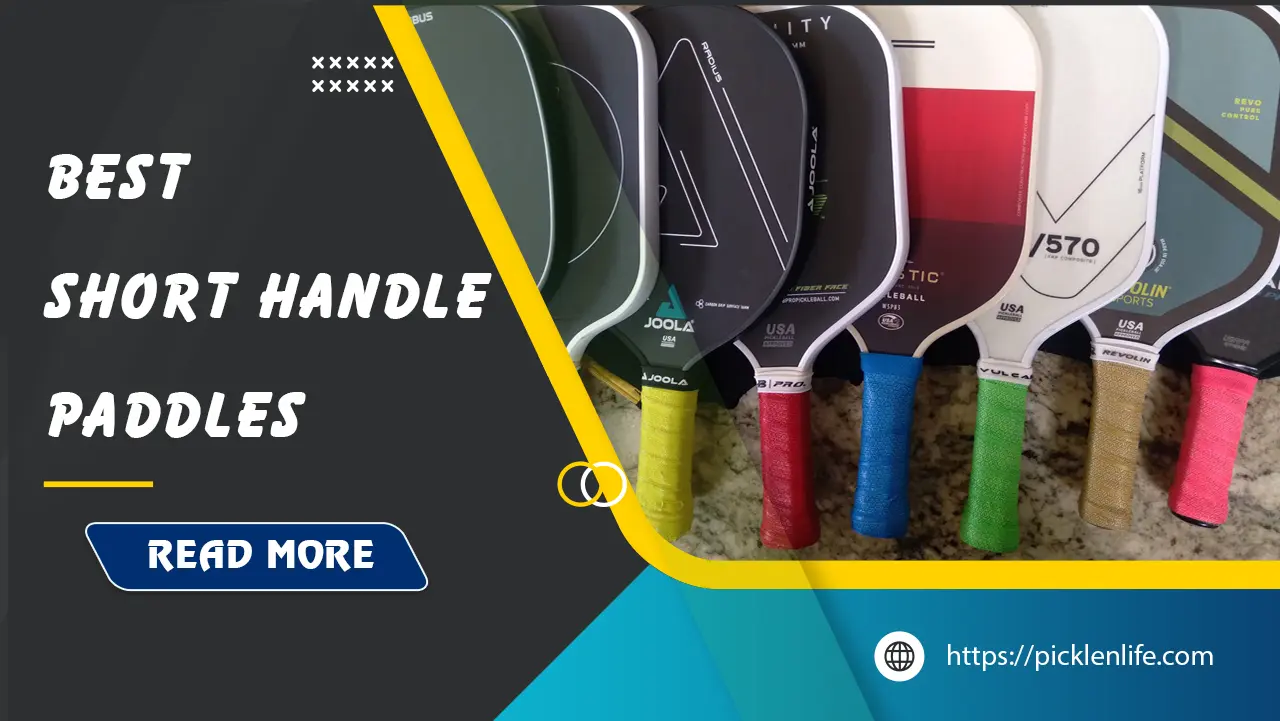
Top 9 Best Short Handle Pickleball Paddles of 2026
Having explored the benefits of short handle paddles, the next logical step is to delve into some of the best options available in 2025. These paddles not only offer the advantages discussed but also have been positively reviewed by a myriad of players, solidifying their reputations in the sport.

Pros
- Balanced performance across power, control, and spin, great for all‑round play.
- Lightweight and easy to swing, very comfortable for beginners and recreational players.
- USAPA‑approved polymer core and fiberglass surface provide a solid, consistent feel.
- Forgiving sweet spot and stable frame help keep mis‑hits in play.
Cons
- Not as refined or “crisp” as high‑end carbon paddles, so it can feel a bit soft for advanced players.
- Some players may want more spin or dead‑plank feel for a pure control style.
The JOOLA Essentials uses a 12mm response polymer core with a fiberglass‑abrasion surface to give you a smooth, controlled feel while still offering enough pop to hit solid serves and drives. It’s specifically designed as a “starter‑plus” paddle: better than cheap Amazon beginner paddles but still affordable and easy to use. The 8.2 oz average weight and standard shape make it comfortable for long rallies at the net and easy to handle for less experienced players who are still learning form and timing.
You should buy this paddle if you want an all‑round, beginner‑ to intermediate‑friendly paddle that doesn’t break the bank. It gives you a noticeable step up from basic paddles with better control, feel, and durability while still staying light and easy to use. It’s ideal if you’re starting out or looking for a casual‑play paddle that can handle a bit of practice time and league play.

Pros
- Thick‑core construction with “Core & Skin Dimensioning” that keeps a large sweet spot without sacrificing power.
- Soft, forgiving feel makes it great for controlling heavy drives while still having enough pop to attack.
- Lightweight and balanced, easy to maneuver at the net.
- Very consistent contact across the face, thanks to the expanded sweet spot.
Cons
- Can feel a bit soft for players who like a very crisp, stiff‑feeling paddle.
- Pricing sits more on the mid‑high‑end side, so it’s not a budget option.
The Engage Encore EX 6.0 uses a thick ControlPro polymer core combined with FiberTEK skin and their Core & Skin Dimensioning system to preserve a large sweet spot even in a thicker‑core paddle. This is unusual because most thick‑core paddles sacrifice some sweet‑spot size for control and feel, but Engage engineers specifically tuned this paddle to keep the sweet spot big and forgiving while still delivering enough power to finish points. The 7.5–8.3 oz range and light swing weight make it very quick at the net, while the sweet spot keeps your shots consistent.
You should buy this paddle if you want a high‑performance paddle with a large sweet spot and a forgiving feel. It’s great for players who like to play with a thick‑core paddle but still want to stay aggressive and precise. You’ll notice fewer mishits and more shot‑to‑shot consistency during intense rallies.

Pros
- Graphite face and unibody core deliver even power/control across 16" length.
- Large sweet spot (8.1" wide) forgives mishits, 4.5+ stars for all-court versatility.
- Cushioned grip reduces shock, comfortable for mixed play styles.
Cons
- Moderate spin vs. raw carbon rivals.
- Edge guard adds minor weight.
The honeycomb core punches above its price with clean pop on drives, offering surprising consistency for budget players - many call it the “workhorse” for value power. Widebody graphite face and modded edges provide decent spin and protection, ensuring the paddle holds up under regular use without the fragility of cheaper composites. This setup is perfect for upgrading from beginner frames to something that feels substantial without premium cost.
You should buy this paddle if you switch between power drives and soft dinks seamlessly. It maintains balance everywhere on court, with a huge sweet spot for error-free rallies. You play confidently all game, blending offense and defense effortlessly.

Pros
- 16 mm X5 polymer core and FiberFlex face give great balance of power, control, and spin for a 3.0 skill level.
- Midweight range (7.3–8.4 oz) and wide S2 shape create a large sweet spot and forgiving feel on mishits.
- Excellent for all‑around play: strong at the net, good for drives, and comfortable enough for long rallies.
- USAPA‑approved and widely recommended for 3.0–3.5 players.
Cons
- Short handle may feel limiting for players who like long‑grip or two‑handed swings.
- Not as “soft” as some beginner‑only paddles, so it can feel a bit crisp for pure‑touch players.
The Selkirk Amped S2 is a mid‑tier control‑leaning paddle that’s very popular for 3.0 players who want to grow into an intermediate game. Its X5 core and FiberFlex face give enough pop for offensive shots but keep the paddle stable and forgiving, so off‑center hits don’t punish you heavily. The wide‑head shape and ergonomic grip make it comfortable for both dinks and drives.
You should buy the Selkirk Amped S2 if you are a 3.0 player who wants a versatile, forgiving paddle that helps you improve control, spin, and consistency. It’s ideal for players who want to stay at the net, hit controlled drives, and not feel overwhelmed by a very stiff or aggressive paddle.
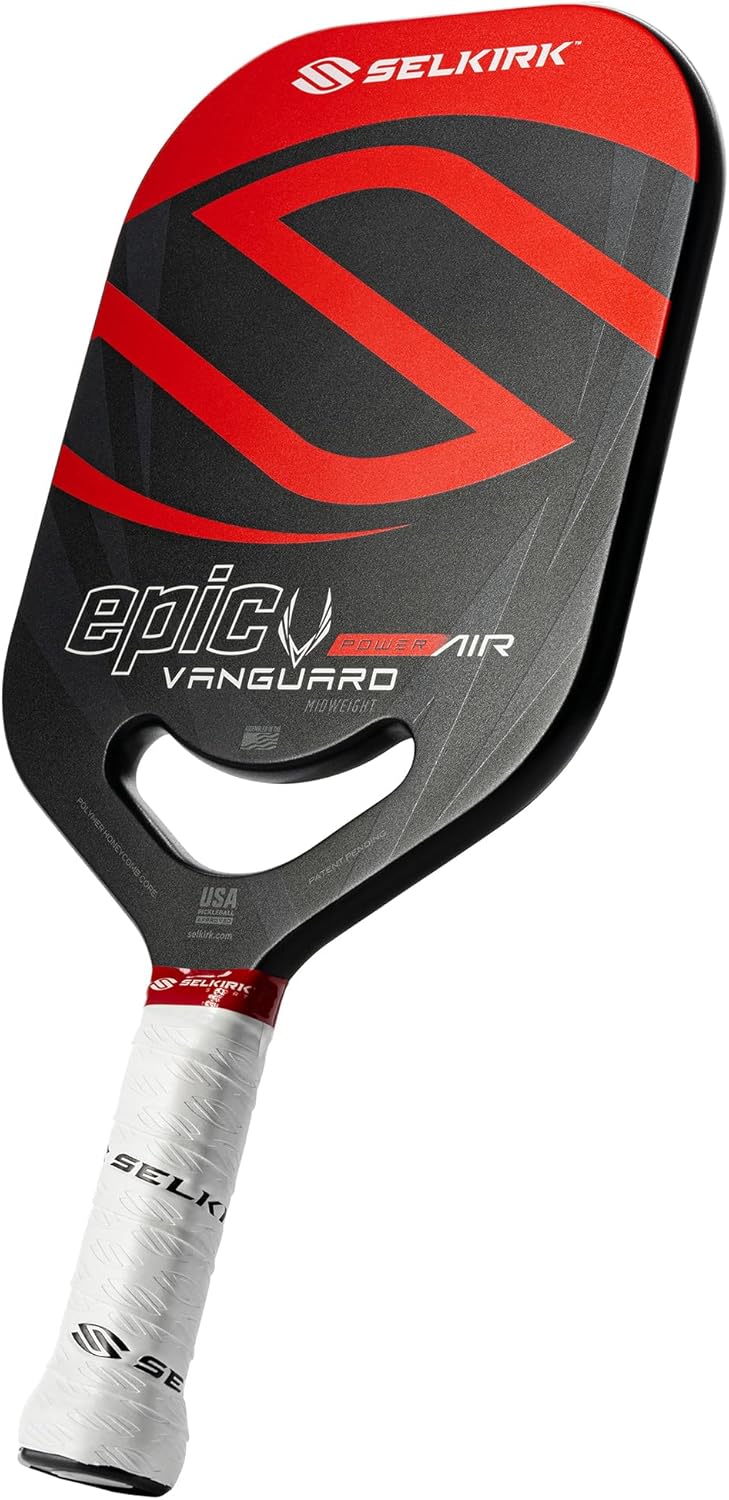
Pros
- Superior topspin generation on smashes and lobs.
- Aerodynamic throat boosts swing quickness.
- Excellent plow-through for heavy balls.
- Consistent performance across the face.
Cons
- Slightly poppy feel challenges fine control.
- Unique throat shape takes practice.
The Air Dynamic throat dramatically reduces air resistance, allowing for faster head speed and more explosive spin on power shots - experts rave about how it makes lobs and overheads land shorter and heavier. QuadFlex core and ProGrit+ face provide full-face responsiveness in an elongated shape, blending raw power with high RPMs for players who want to shape their aggressive game. This paddle shines in turning flat power into dynamic, spinning weapons.
You should buy this paddle if you want spin to amplify your power. It rips heavy topspin drives that skid low and slices that curve sharply. You control the court’s pace with aerial dominance.

Pros
- Elongated shape and long, comfortable handle give you extra reach and leverage.
- Textured face and composite core provide good spin and pop.
- Very forgiving and stable for both power‑hitters and all‑round players.
- Generally priced in the mid‑range, offering good value.
Cons
- The long handle and elongated head can feel a bit “heavy” or head‑heavy for some players.
- Not as agile as short‑handle paddles for pure kitchen‑only dink‑play.
The Hudef Hammer is a forgiving, elongated pickleball paddle with a long handle and wide head, giving you extra reach and a big sweet spot. Its composite construction and textured face make it great for players who like to hit deep drives and overheads while still keeping ball control. User reviews often mention the paddle’s comfort and stability, making it a good choice for players who want a bit more reach without jumping into ultra‑premium paddles.
You should buy the Hudef Hammer if you want an elongated paddle that balances power, spin, and reach. It’s ideal for players who like to hit big shots and cover a lot of court, but still want a forgiving, easy‑to‑swing frame.

Pros
- Very beginner‑friendly with a forgiving large sweet spot and easy‑to‑swing feel.
- Affordable price and often bundled with balls and a carry bag, great for families and clubs.
- Widely available and frequently recommended as a solid “starter” paddle.
- Comfortable grip and stable core help keep the ball in play during early rallies.
Cons
- Not as refined or “crisp” as higher‑end graphite‑faced paddles.
- Less spin and feel than more advanced paddles, so it may feel limiting once you improve.
The Mten Pickleball Paddle uses a lightweight honeycomb core and fiberglass face to give you a soft, forgiving feel that keeps mishits in play. Reviewers often describe it as a trustworthy first paddle for new players, especially in rec‑center and beginner‑clinic settings. The wide hitting area and comfortable grip make it easy to learn fundamentals without worrying about harsh feedback or expensive gear.
You should buy this paddle if you’re just starting out and want a low‑cost, low‑pressure introduction to pickleball. It’s great for casual players, families, and groups who want to get on the court without overspending. You can use it as a solid practice paddle and upgrade later as your game develops.


Pros
- Lightweight graphite‑surface paddle with a polypropylene honeycomb core, giving a soft yet controlled feel.
- 4.9" handle length and 4.33" grip circumference offer a comfortable, slightly short‑handle style.
- Textured surface and fade‑resistant UV‑print graphics add a bit of spin and style.
- Often praised for comfort and consistent reviews from players.
Cons
- Power output is moderate; not ideal for aggressive power‑hitters.
- Brand visibility is lower than big names like Selkirk or Onix, so it may feel less “premium” in some circles.
The Palms‑o‑Aces Luxe Graphite is a lightweight, stylish paddle built for comfort and control. Its graphite surface and 7.8 oz weight make it easy to swing, while the 13 mm polypropylene core keeps the paddle forgiving and quiet. The 4.9" handle length and ergonomic padded grip suit players who like a snug, slightly short‑handle feel. Reviewers highlight its comfort, durability, and fun designs, making it a popular choice for players who want performance and personality in one paddle.
You should buy the Palms‑o‑Aces Luxe Graphite if you want a lightweight, comfortable, short‑handle‑style graphite paddle that’s great for all‑round play and looks great on the court. It’s ideal for players who value feel, design, and consistent performance without paying top‑tier prices.
To ensure full transparency, our testing and ranking process is based on the objective criteria outlined in our how we rank section. While we may receive a commission for purchases made through our links per our affiliate disclaimer, all reviews are conducted independently to help you find the best quality products within your price range
Choosing the Right Short Handle Paddle: A Comprehensive Buying Guide
With numerous options in the market, understanding how to choose the ideal short handle paddle is essential for enjoying the game. Players should consider various factors, including their playing style, preferences, and skill levels to select the most suitable paddle for their needs.
While a shorter handle increases maneuverability at the net, you can see how these models compare to all-around top performers in our master guide of the best pickleball paddles
Paddle Weight
The weight of a short handle pickleball paddle significantly affects control, power, and maneuverability. Here are key considerations regarding paddle weight:

- Weight Categories:
- Lightweight Paddles (7.0-7.4 oz): These paddles are ideal for players prioritizing maneuverability and quicker reactions.
- Midweight Paddles (7.5-8.4 oz): Offering a balance between power and control, these paddles are favored by many players for their versatility.
- Heavyweight Paddles (8.5+ oz): Designed for players focusing on power, they can be cumbersome in fast exchanges but offer more stability.
- Skill Level Consideration: Beginners often benefit from lightweight paddles for ease of use, while advanced players may prefer heavier options as their techniques develop.
- Personal Preference: Ultimately, choosing the paddle weight that feels most comfortable is crucial to maximizing performance on the court.
Selecting the right paddle weight tailored to one’s playing style and physical capabilities can greatly enhance performance.
Paddle Core Material
The core material of a pickleball paddle directly influences its performance characteristics, including power, control, and feel. Common core materials include:

- Polypropylene Honeycomb: Popular for its balance of durability and responsiveness, polypropylene offers excellent control and a softer feel at impact.
- Nomex Honeycomb: Known for its rigidity and durability, Nomex provides enhanced power, making it ideal for aggressive play styles.
- Aluminum Honeycomb: While less common, aluminum offers a unique mix of power and control, though it may compromise some maneuverability compared to lighter options.
When selecting a paddle, understanding the core material’s impact can help players find the best fit for their playing style.
Grip Size
Finding the right grip size is critical for ensuring comfort and control during gameplay. Grip sizes typically range from small (around 4 inches) to large (over 4.5 inches).

- Small Grips: Ideal for players with smaller hands, providing better wrist movement and control.
- Medium Grips (4.25-4.5 inches): The most versatile option, it caters to a wide range of players by balancing power and control.
- Large Grips: Suitable for stability and might enhance power, but may feel cumbersome for those with smaller hands.
Choosing the correct grip size ensures that players have a secure hold, minimizing risks of strain or mis-hits.
Short handles are often paired with narrower circumferences; check out our guide on the best small grip pickleball paddles for a complete fit
Paddle Face Material
The paddle face material significantly impacts the gameplay experience. Common materials include:

- Graphite: Preferred for its lightweight design and superior control, making it ideal for players needing rapid responses and agility.
- Fiberglass: Known for robustness, fiberglass provides ample power; however, it may sacrifice some accuracy.
- Composite: Offering a balanced mix of power and control, composite paddles cater to a diverse range of players.
The choice of face material should align with a player’s style, whether focusing on finesse or power shots.
Paddle Shape
Paddle shape influences overall feel and effectiveness during play. Common shapes include wide and elongated options.

- Wide-body Paddles: Featuring larger hitting surfaces and broader sweet spots, these paddles are advantageous for beginners seeking comfort in their strokes.
- Elongated Paddles: Preferred by players who rely on strong baseline shots, these paddles offer greater reach for effective shot execution.
Choosing the right shape complements a player’s skill level and style, impacting the responsiveness and control of the paddle.
By shortening the handle, manufacturers can expand the hitting surface. This design is common in the best widebody pickleball paddles to maximize the sweet spot
Edge Guard
Understanding edge guards is vital for protecting your paddle and enhancing your playing experience. Edge guards provide durability, acting as a barrier against damage from contact with the ball or the court surface. However, edgeless paddles have gained popularity for their sleek design and the structural integrity offered by one-piece constructions.
- Traditional Edge Guards: Provide added protection and are often favored by many players.
- Edgeless Designs: Deliver a modern aesthetic while maintaining durability and performance standards.
Selecting a paddle that fits one’s protection needs and preferences leads to a more fulfilling experience on the court.
Budget
When it comes to paddle selection, understanding your budget is crucial. Short handle paddles are available across various price ranges, making quality accessible to a broader audience.
- Mid-Range Options: For instance, the Hudef Apex Pro, priced around $75-$89, is celebrated for its balance of control and comfort, fantastic for both casual and competitive play.
- High-End Options: At higher price points, paddles like the CRBN2X, retailing at approximately $229.99, appeal to serious players seeking premium performance and features.
For those balancing performance with budget, understanding the value of different paddles enables informed decisions that align with gespielt style and financial considerations.
Skill Level
Selecting a paddle appropriate for a player’s skill level is vital. Here’s how different levels influence paddle choice:
- Beginners: Should look for paddles that provide good control and larger sweet spots. Lightweight materials will reduce strain and enhance maneuverability.
- Intermediate Players: This group can benefit from paddles that balance control with power, giving them the ability to execute aggressive shots while maintaining responsiveness.
- Advanced Players: Experienced players often seek paddles that offer specific features, like enhanced spin or power capabilities, accommodating advanced techniques.
Understanding the right paddle for skill level helps players optimize their gameplay experience.
Deciding on the right grip length is essential for comfort; our article on how to choose a pickleball paddle breaks down the trade-offs of every handle type
The Rise of Short Handle Pickleball Paddles
The surge in popularity of short handle pickleball paddles is a reflection of evolving player preferences and gameplay dynamics. Originally, paddles with longer handles were the norm; however, as the sport has gained traction, players are increasingly favoring the enhanced control and maneuverability that come with shorter handles. This trend is particularly evident in doubles play, where rapid exchanges and strategic positioning are paramount. The flexibility of short handle paddles allows players to make swift wrist movements, improving their capability to react quickly to opponents and execute precise shots.
Due to their exceptional hand speed, short-handle models are frequently ranked among the best pickleball paddles for control
- Enhanced Maneuverability: The compact design of short handle paddles facilitates quicker wrist action, which is essential for executing dinks, volleys, and responsive shots. This is especially beneficial during tight exchanges at the net.
- Wider Sweet Spots: Many short handle paddles boast a wider body compared to traditional paddles, creating larger sweet spots. This design feature allows players to manage mis-hits more effectively and enhances the consistency of their shots.
- Comfort for Smaller Hands: Short handle paddles cater to players with smaller hand sizes, providing a more comfortable grip. This design aspect reduces fatigue during extended matches, promoting better performance.
- Diverse Game Styles: The emerging styles of play often prioritize finesse and control over brute strength. Short handle paddles support this transition, appealing not only to recreational players but also to more competitive ones looking to refine their skills.
The growth of such paddles reflects key insights into how players are gaining a better understanding of their needs on the court. As players discover these benefits, the demand for advanced paddle technology and customized options continues to rise, ensuring that the evolution of pickleball equipment remains at the forefront.
Why Choose a Short Handle Pickleball Paddle? Understanding the Benefits
Opting for a short handle paddle offers several attractive benefits that can directly impact how a player performs on the court.
- Quicker Reaction Times: The shorter grip allows for more rapid wrist movements. This feature is immensely popular in fast-paced situations where players must react swiftly to returns and overhead shots.
- Improved Control: Players who favor precision over power often find that short handle paddles enhance their control. The increased maneuverability and sensitivity provided by a shorter grip allow players to have better feel over their shots, particularly during delicate plays like drop shots.
- Reduced Strain and Fatigue: A more comfortable grip reduces wrist strain, allowing players to maintain a consistent performance throughout long games. This aspect is particularly beneficial for those with smaller hands, where proper grip size significantly influences hand fatigue.
- Adaptability to Different Play Styles: Short handle paddles allow for greater flexibility in playing styles, accommodating one-handed backhands more effectively. This adaptability makes them ideal for various playing styles, from aggressive net play to tactical baseline positioning.
- Customization and Technology Integration: Modern paddle manufacturers are continually integrating new technologies into short handle designs, enhancing performance through innovative materials and core constructions. Players have a plethora of choices that allow them to find a paddle tailored to their unique needs.
Additionally, it’s important to note that while small-handed players benefit from the downsized grips, paddles come in various sizes to ensure that all players can find an ideal fit for their style and ability. The thoughtfulness in design makes short handle paddles a remarkable option for everyone, from casual players to seasoned veterans on the court.
To prevent sweat from making your short handle slippery, we recommend wearing high-quality best pickleball wristbands
Frequently Asked Questions About Short Handle Pickleball Paddles
After exploring various aspects of selecting the best short handle paddle, let’s address some common questions concerning these specialized paddles.
Are Short Handle Paddles Better for Control?
Short handle paddles are often considered better for control due to their design characteristics. The compact grip length enhances maneuverability, allowing for precise paddle placement, especially beneficial for players focusing on finesse-oriented shots like dinks and drop shots. The reduced leverage enables quick wrist action, improving reactivity at the net and enhancing overall control during fast-paced rallies.
What Is the Standard Pickleball Paddle Handle Length?
Standard paddle handle lengths typically fall into three categories: short handles (under 4.5 inches), medium handles (4.5 to 5.5 inches), and long handles (over 5.5 inches). The choice of handle length affects gameplay significantly; short handles often suit players favoring singles, where rapid hand movement is essential, while medium to long handles cater to those using double-handed backhands, enhancing stability during powerful shots.
If you use a two-handed backhand and find a short grip restrictive, explore our top picks for the best long handle pickleball paddles
What Types of Players Typically Prefer Short Handle Paddles?
Players who prioritize quick reactions and control typically favor short handle paddles. This includes individuals who specialize in finesse play, such as dinking and rapid volleying. Additionally, beginners gravitate towards short handles for improved grip comfort and less strain when learning the mechanics of the game. The balance of power and control offered by these paddles makes them appealing to a wide range of player types.
Short-handle paddles are excellent for those developing their touch at the net; see our pickleball tips for beginners to improve your dinking game
How Much Reach Do You Typically Lose with a Short Handle Paddle Compared to an Elongated One?
Players using short handle paddles typically experience a reduced reach when compared to elongated paddles. The shorter grip can impact the effective range, particularly for players who rely on leverage for powerful swings. While the exact reach loss depends on individual height and playing dynamics, players might find their shots are slightly less extended, requiring adjustments in footwork and positioning.
What Are the Benefits of Using a Short-Handle Pickleball Paddle?
Short-handle pickleball paddles offer a multitude of benefits, including enhanced maneuverability, allowing for quick wrist movements essential for net play. The shorter gripping surface improves overall control and stability during gameplay, and many of these paddles are designed with larger sweet spots, reducing the impact of off-center hits. Additionally, short handles provide comfort for smaller-handed players, allowing for better long-term playability without excess strain or fatigue.
How Do I Determine the Right Paddle Weight for a Short Handle?
Finding the right paddle weight entails considering personal preferences, playing style, and physical capabilities. Lightweight paddles (7.0-7.4 oz) favor quick reactions and maneuverability, making them more suitable for defensive playstyles. Midweight paddles (7.5-8.4 oz) strike a balance between power and control, while heavyweight paddles (8.5 oz+) cater to players seeking stronger shots, albeit at the cost of agility. Testing different weights can help players identify their most comfortable fit.
What Is the Typical Grip Size of a Short Handle Pickleball Paddle?
Short handle pickleball paddles typically feature grip sizes ranging from 3 7/8 inches up to 4 1/8 inches. These grips are designed to cater to players with smaller hands, facilitating better control and maneuverability during play. Selecting the correct grip size is crucial, as grips that are too large may restrict wrist movement, while grips that are too small could lead to gripping strain and potential injury.
Are Short-Handled Paddles Suitable for Both Singles and Doubles Play?
Yes, short-handle paddles are suitable for both singles and doubles play. Their design accommodates enhanced wrist action and control, which is beneficial in quick rallies and confined spaces common in both match formats. However, players should consider their personal grip preferences and playing styles when selecting a paddle to ensure optimal comfort and performance during gameplay.
Can I Adjust the Grip Size of a Short Handle Paddle?
Yes, players can adjust the grip size of a short handle paddle. Many players use overgrips or grip tape to customize their grips. An overgrip provides an additional layer that adds thickness without significantly affecting the paddle’s balance. Conversely, grip tape offers a substantial adjustment for players seeking a cushioned feel, thereby minimizing wrist strain. Experimenting with various customization methods can help players find their ideal grip for enhanced control.
Is a Longer or Shorter Handle Generally Preferred for Pickleball?
The preference for longer versus shorter handles depends on individual playing styles and comfort. Shorter handles are typically preferred by players who prioritize control and rapid wrist movements, making them suitable for finesse players. In contrast, longer handles may appeal to those who rely on aggressive swings and two-handed backhands, providing greater leverage. Ultimately, the choice should be based on the player’s unique techniques and grip preferences.
What Is Considered the Smallest Pickleball Grip Size Available?
The smallest grip size generally available for pickleball paddles is around 3 7/8 inches. Paddles designed for players with smaller hands often have grip sizes that range from this minimum up to 4 1/8 inches. Selecting a smaller grip ensures better control, preventing strain and fatigue during prolonged play. It is crucial for players with smaller hands to choose the right grip size for improved handling and comfort.
Conclusion
Navigating the world of short handle pickleball paddles can be rewarding and sometimes overwhelming, given the array of choices and technologies available. This guide has highlighted the significant advantages of selecting short handle paddles, ranging from superior control and maneuverability to enhanced enjoyment on the court.
As you consider your next paddle purchase, keep in mind the unique aspects such as weight, grip size, core material, and your individual playing style. Whether you are a beginner just starting your pickleball journey or an advanced player looking to refine your technique, finding the right paddle is essential for maximizing both your performance and enjoyment of the game. Happy playing!

Write Your Review
No reviews yet. Be the first to share your experience!